Ecuador’s Diesel Shock And The Broken Dialogue: A Four-Week Standoff, Explained
Ecuador’s government has ended talks with Indigenous leaders in Imbabura, the northern province that became the focal point of a nationwide strike after diesel subsidies were scrapped.
Officials said they could not continue negotiations while highways remained blocked and sporadic clashes persisted. The break came as the strike entered its fourth week.
At the center is a sudden change at the pump. A September decree eliminated the diesel subsidy and lifted the price from $1.80 to $2.80 per gallon.
That hits buses, trucks, farm machinery, and fishing fleets—sectors that move food and people in a country where many communities depend on road transport.
On September 22, the main Indigenous federation called a national walkout; roadblocks spread across the Andean highlands, with Imbabura as the epicenter. The human cost has mounted. At least three people have died in incidents linked to the unrest.
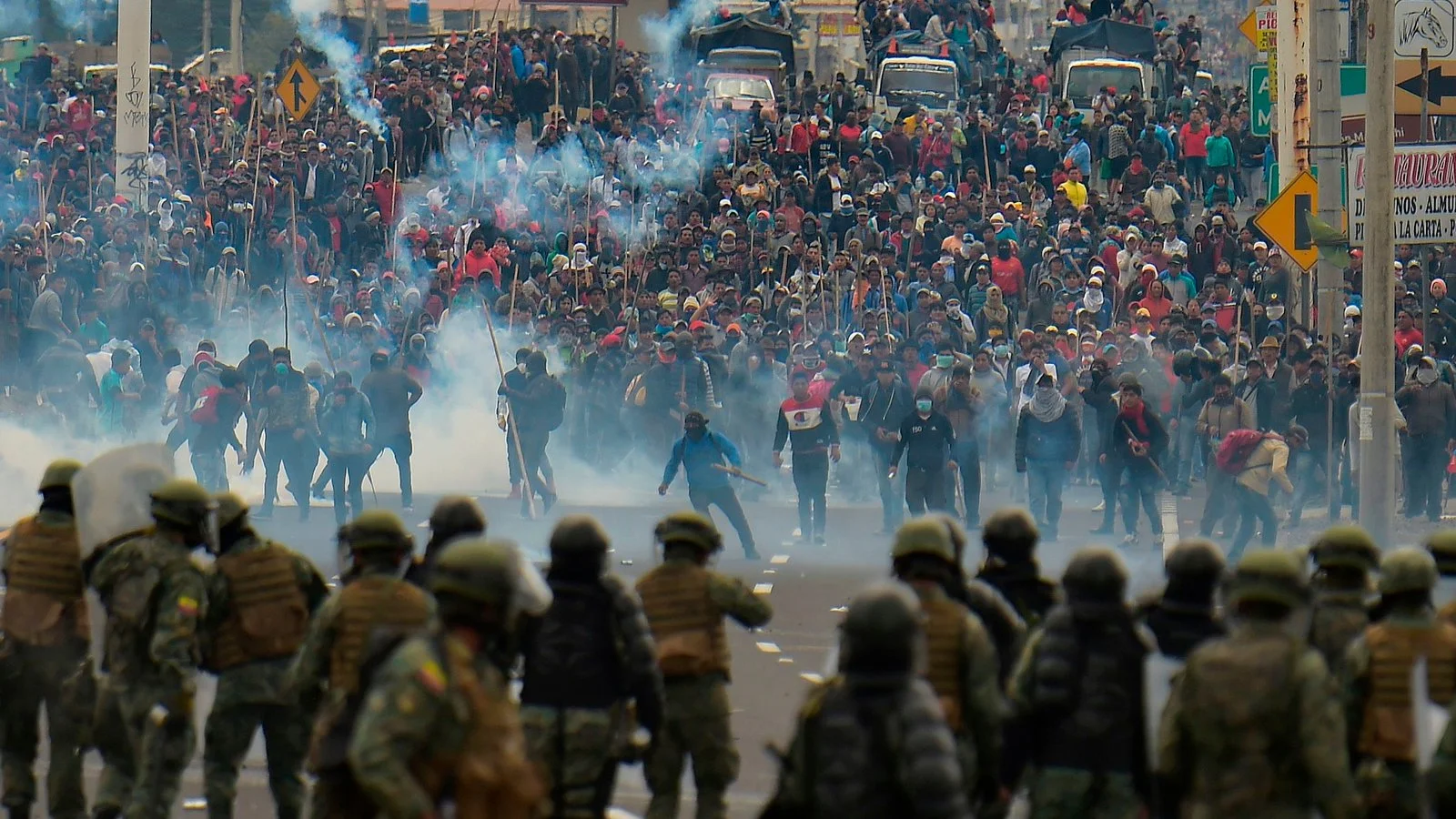
More than a hundred have been injured among demonstrators and security forces, and over a hundred have been detained. With corridors repeatedly closed, producers have struggled to move crops and goods, and small businesses report higher transport costs.
Ecuador Tests Fuel Reform and Public Trust
The story behind the story is trust. Ecuador has lived through version after version of this conflict: large fuel protests in 2019 and 2022 ended only after concessions and left deep skepticism about promises made at the negotiating table.
Meanwhile, the government argues the subsidy was fiscally unsustainable and encouraged fuel smuggling, and says it is willing to talk—but not under pressure while roads are blocked.
Indigenous organizations want the diesel decree repealed, a rollback of the value-added tax to 12 percent, and tangible improvements in health and education.
A brief local truce announced in Imbabura last week collapsed amid confusion over who had agreed to what. Why this matters to readers outside Ecuador: diesel is the backbone of everyday logistics across Latin America.
How Ecuador manages this pivot—whether through repeal, carve-outs for transport and agriculture, or targeted compensation—will shape prices, food supply, and political stability at home, and offers a clear test of how governments can reform costly subsidies without igniting prolonged unrest.
More: Ecuador news in English, every day from The Rio Times.
This article was produced by The Rio Times’ automated newsroom system. How we use AI · Report an error
Read More from The Rio Times