Drought Causes 27% Drop in Uruguay’s Farming Sector
The drought in 2022 and 2023 led to an unprecedented water crisis in Uruguay and significantly impacted its economic growth projections.
In this setting, Uruguay’s Central Bank and the Chamber of Commerce show a 27.4% fall in agriculture in the second quarter of 2023.
This decline had a sizable impact on the country’s economy. Specifically, it led to a 2.1-point GDP slide, which fell by 2.5% compared to last year.
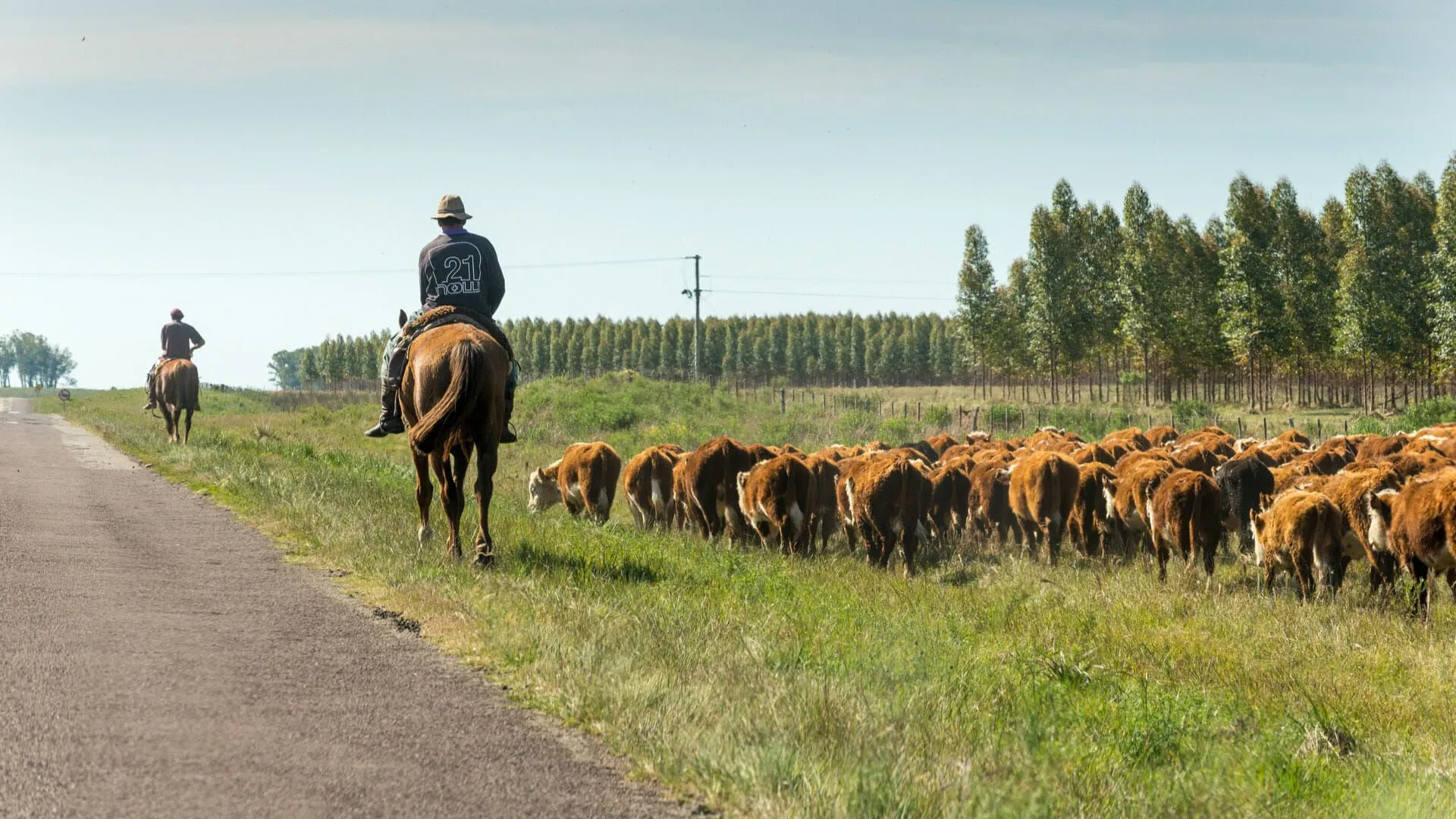
Low yields from summer crops mainly caused this decrease. Similarly, livestock activity suffered, resulting in reduced meat production.
Moreover, other crucial sectors shrank. The electricity sector contracted by 11.8% largely due to the drought’s impact on hydroelectric power.
Additionally, energy imports from Brazil increased. The manufacturing sector declined by 1.5% due to reduced food production.
Conversely, the construction sector saw an even larger decline of 6.6%, largely due to fewer building projects.
However, some sectors showed better performance. The transport and information sectors grew by 2.5%, albeit slower than earlier in the year.
This growth came from increased services in information and communication. Yet, a drop in cargo transport offset gains in passenger movement.
Professional activities also saw a 3.5% growth, mostly due to more administrative and support services.
On the other hand, the commerce sector entered a contraction phase, declining by 1.8% against last year.
Lastly, the report authors suggest that the latter half of the year may be promising.
Given the drought’s expected end and the second pulp plant’s full operation, they believe some sectors could rebound.
Background Uruguay Farming
The drought’s effects on Uruguay’s economy are severe but potentially reversible. Analysts see the latter part of the year as crucial for recovery.
Interestingly, the water crisis has raised discussions about long-term sustainability and resource management.
This could prompt new policy decisions in agriculture and energy production.
Additionally, the decline in the agriculture sector draws attention to climate change’s growing impact.
Economic diversification may become a more pressing concern for Uruguay in the future. International collaborations could help the country prepare for similar challenges.
How Uruguay navigates this turbulent period may offer valuable lessons for managing natural resources and economic resilience.
More: Brazil news in English, every day from The Rio Times.
This article was produced by The Rio Times’ automated newsroom system. How we use AI · Report an error
Read More from The Rio Times