
Key Facts
- —Who African Terminal & Logistics Services (ATLS), a subsidiary of the privately owned Hayel Saeed Anam Group, is building the terminal at Djibouti’s Doraleh port.
- —What Phase one offers 288,000 cubic metres of fuel storage, with loading arms for the Ethiopia-Djibouti railway and for tanker trucks.
- —When First operations are scheduled for June 2027, according to Ethiopian media reports on 27 September 2026.
- —Why it matters Ethiopia, a country of more than 100 million people with no coastline, depends on Djibouti for much of its fuel. Today about 350 tanker trucks a day carry it over the road.
- —Why US readers care The route runs beside the Bab el-Mandeb strait, a Red Sea shipping lane that also hosts a US naval base. A second, US$660 million pipeline project was announced on 24 September 2026.
A privately owned Djibouti terminal plans to load fuel straight onto trains bound for Ethiopia from June 2027. If it works, it would take pressure off one of Africa’s busiest tanker-truck corridors.
African Terminal & Logistics Services, known as ATLS, is developing a petroleum hub at the Doraleh Multipurpose Port in Djibouti. Its aim is to move imported fuel into landlocked Ethiopia by rail as well as by road. Capital, an Ethiopian newspaper, reported the plan on 27 September 2026.
For a reader in the United States, the story matters for two reasons. Ethiopia is a country of more than 100 million people whose fuel supply runs through a single foreign port. That port sits at the southern gate of the Red Sea, a route that matters for global oil and container shipping.
What ATLS is building at Doraleh
Phase one of the terminal is planned at 288,000 cubic metres of storage. Ecofin Agency reports that capacity is expected to rise to about 500,000 cubic metres and eventually to about 750,000 cubic metres.
The design combines marine unloading, storage and onward distribution. Train-loading arms would connect the site directly to the Ethiopia-Djibouti Railway, while several truck-loading bays would let tankers fill in parallel.
The mix is deliberate. Rail would serve high-volume destinations, and trucks would reach places the railway does not.
ATLS is a subsidiary of the privately owned Hayel Saeed Anam Group. The terminal is separate from the existing Horizon Djibouti Terminal, which is the departure point for much of today’s fuel traffic.
Why the current system is under strain
About 350 tanker trucks a day carry fuel from the Horizon terminal toward Ethiopia, according to Capital. The route depends heavily on road transport.
Congestion, border procedures, truck availability and shipping delays all slow supply. Because Ethiopia has no direct sea access, every hold-up at the port or the border reaches filling stations in the highlands.
In February 2026, the Ethio-Djibouti Joint Railway Commission agreed to speed up railway links to Doraleh and to the Horizon terminal. That decision signalled official support for moving more fuel onto the tracks.
A second project: the Dangote pipeline
A separate plan targets the same bottleneck. On 24 September 2026, a Thursday, Ethiopia, Djibouti and Nigeria’s Dangote Group marked the start of a reported US$660 million, 120-kilometre pipeline from Damerjog in Djibouti to Dewele in Ethiopia, as covered in our earlier report on the pipeline.
Reports on the announcement give storage of about 375,000 cubic metres at Damerjog and about 800,000 cubic metres at Dewele. The line would carry refined products such as diesel, petrol and jet fuel. The partners have not disclosed financing terms or each side’s share, and the timetable is unproven.
The two projects are different in ownership and design. Together they point to a broader effort to give Ethiopia rail, road and pipeline options for its fuel imports.
The wider contest around Djibouti
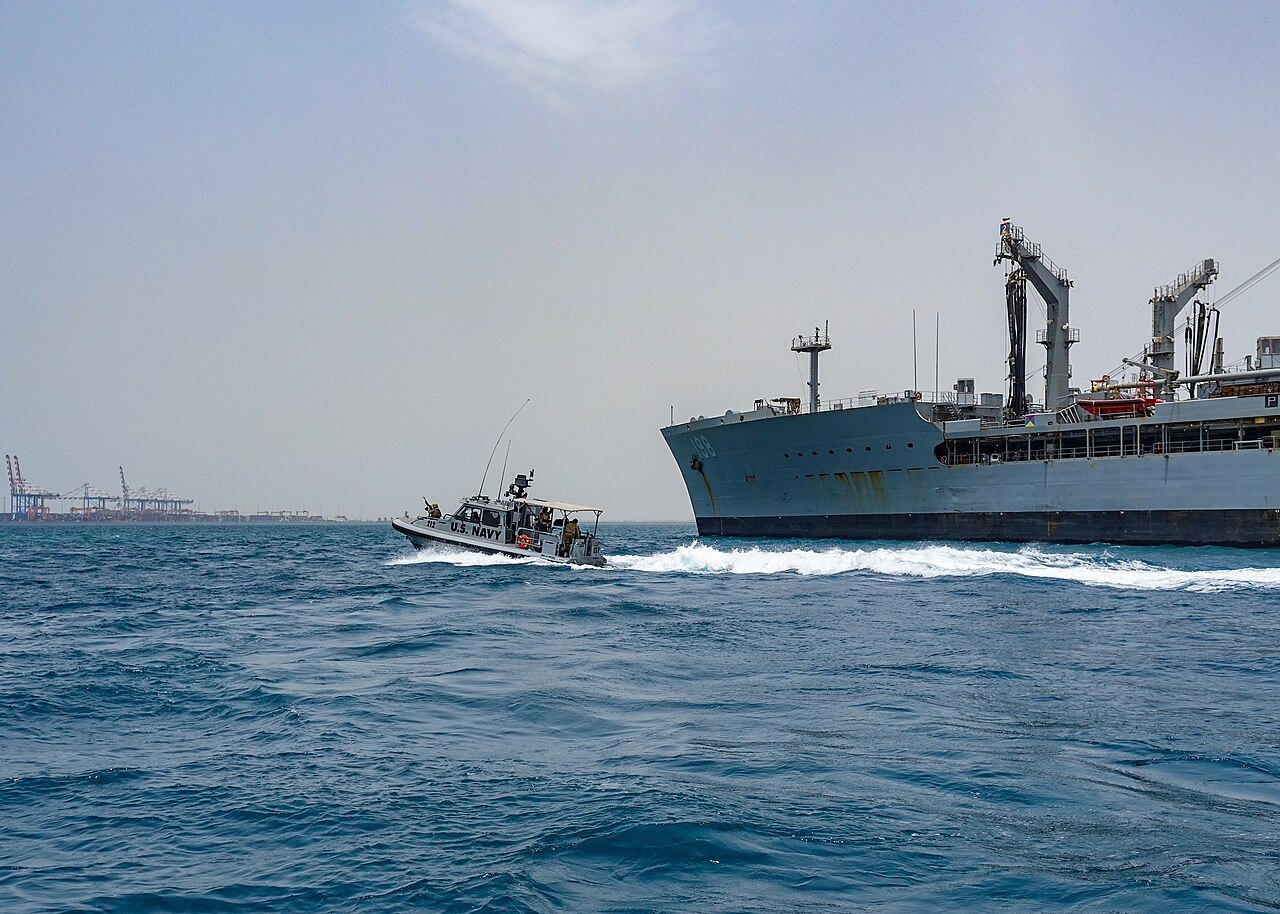
The country is also home to military bases of several foreign powers, including the United States and China. Its position at the Bab el-Mandeb makes the logistics around its ports a strategic question as well as a commercial one. Our Djibouti explainer covers the bases, ports and politics, and Africa: The New Scramble places them in the wider competition for influence.
What it means for you
For investors, the projects signal that Djibouti wants to earn more from Ethiopian trade than simple transshipment fees. Storage, rail loading and pipelines capture value that used to pass straight through.
For travellers and expats in Djibouti, the changes could bring construction and logistics work. If rail takes a larger share, they could also mean fewer tankers on the corridor.
For fuel buyers in Ethiopia, any gain would show up first in reliability. Price effects are not yet known.
What is not known
ATLS has not published an investment figure in the reports reviewed. It is also unclear how much fuel the terminal will move by rail in its first year.
The June 2027 date is a schedule, not a commitment. Construction progress and railway connection agreements will show whether it holds.
Frequently Asked Questions
What is the ATLS fuel hub in Djibouti?
It is a petroleum storage terminal under development at Doraleh Multipurpose Port by African Terminal and Logistics Services, with 288,000 cubic metres of planned capacity in phase one.
When will the Djibouti fuel route to Ethiopia open?
First operations are scheduled for June 2027, according to Ethiopian media reports published on 27 September 2026. Train-loading facilities are planned for the Ethio-Djibouti Railway.
How is fuel moved from Djibouti to Ethiopia today?
Mostly by road. About 350 tanker trucks a day reportedly leave the Horizon terminal in Djibouti for Ethiopia, facing congestion and border delays.
How does the ATLS terminal differ from the Dangote pipeline?
ATLS is a storage hub with rail and truck loading. The US$660 million Dangote project is a 120-kilometre pipeline from Damerjog to Dewele, announced on 24 September 2026.
Why does the Djibouti fuel route matter to the United States?
The corridor sits beside the Bab el-Mandeb, a Red Sea shipping lane, and Djibouti hosts a US military base. Ethiopia, with more than 100 million people, depends on it for fuel.
Sources
- Capital Ethiopia, 27 September 2026
- Ecofin Agency, 4 October 2026
- Gazette Nigeria, pipeline announcement
- US Congressional Research Service, China’s Engagement in Djibouti
This article was produced by The Rio Times’ automated newsroom system. How we use AI · Report an error · Editorial responsibility: Matthias Camenzind, Editor-in-Chief
LatAm Markets: Live Signals → — real-time movers, turnover leaders and FX across Latin America.