
NIGERIA · MARKETS
Key Facts
- —The country Nigeria is Africa’s most populous nation and a major oil exporter, with a presidential vote due on 16 January 2027.
- —What happened On Monday 19 October, Deutsche Bank added Nigeria to its frontier currency monitor and called the naira undervalued, citing attractive carry and positive real interest rates.
- —The numbers The naira traded near 1,332 per US dollar on 19 October, and the policy rate is 23% against inflation of 14.63%.
- —The main risk The bank sees fiscal policy as the biggest danger, pointing to 5.75 trillion naira (about US$4.3 billion) of planned bond offers in late 2026.
- —The backdrop The central bank cut its rate by 3.5 points on 22 September, and global index provider FTSE Russell moved Nigeria back to frontier market status on 21 September.
- —Still open Whether the naira keeps its gains as government borrowing and pre-election spending rise before the January vote.
Deutsche Bank, Germany’s largest bank, added Nigeria to its frontier currency monitor on Monday 19 October and called the Nigeria naira undervalued. Strategists at the Frankfurt lender cite high real interest rates and attractive carry, the extra income from a high-yielding currency, Nairametrics reported.
For US investors in Nigerian bonds or West African oil, the call is a vote of confidence from a major global dealer. The same report warns that heavy government borrowing and pre-election spending are the main danger to the currency.
What Deutsche Bank Said About the Naira
Deutsche Bank added Nigeria to its frontier foreign-exchange monitor, a watch list for thinly traded currencies, on Monday 19 October, Nairametrics reported. The bank’s strategists and economists describe the naira as undervalued.
Their case rests on two things, an attractive carry and positive real interest rates. A carry trade means borrowing in a cheap currency to buy a higher-yielding one, and a real rate is the interest rate minus inflation.
The monitor also follows Angola’s kwanza and Ghana’s cedi, according to the report. Higher oil prices help Nigeria and Angola, while higher gold prices help Ghana.
The Numbers Behind the Nigeria Naira Call
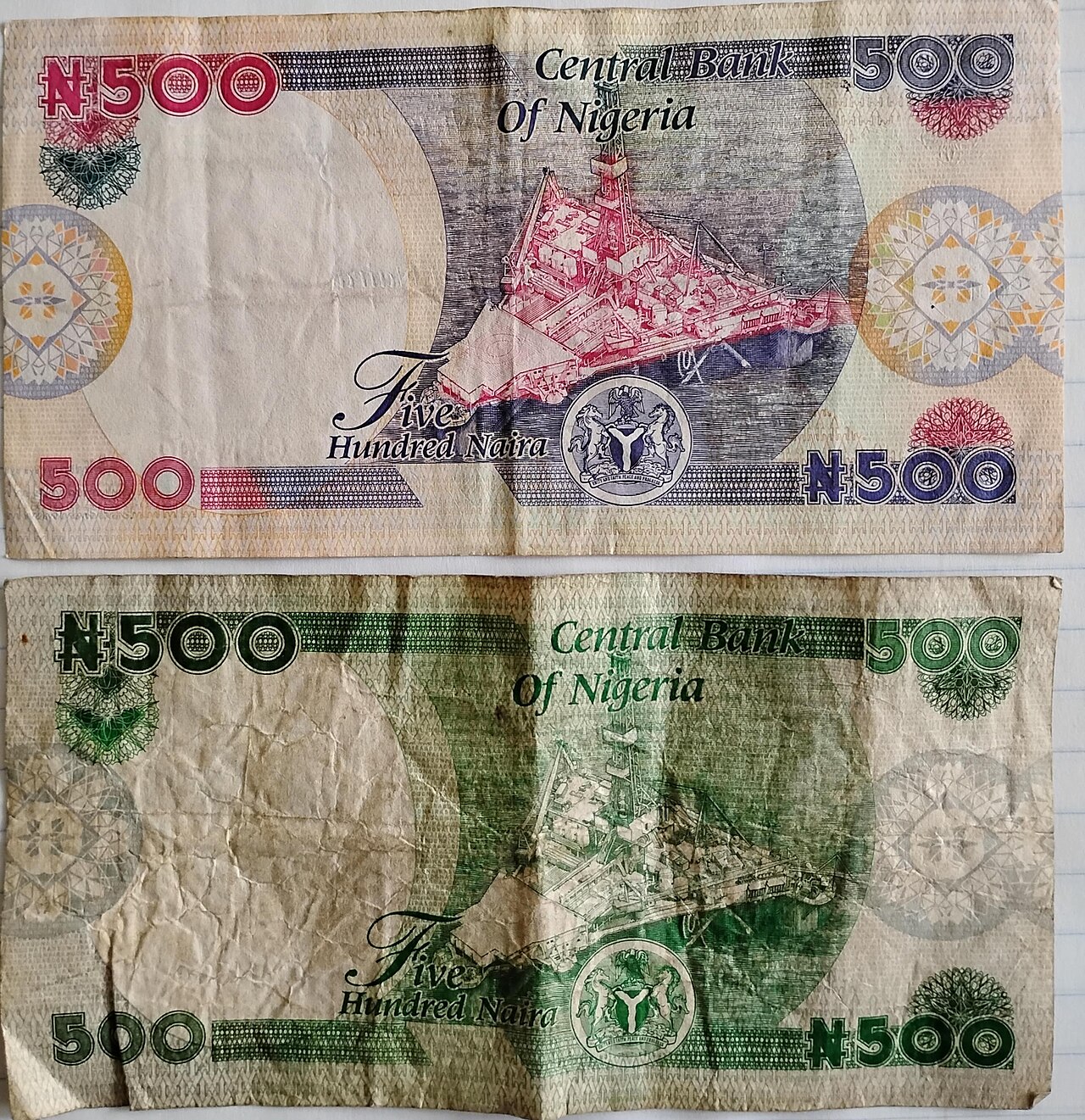
The Nigeria naira traded near 1,332 per US dollar on Monday 19 October. It rose 0.45% in September, from 1,335.50 per dollar at the end of August to 1,329.50 at the end of September.
Nigeria’s National Bureau of Statistics, the data agency, reported on Thursday 15 October that inflation slowed to 14.63% in September from 15.39% in August. With the policy rate at 23%, the gap between the two is about 8.4 percentage points.
The Central Bank of Nigeria, led by Governor Olayemi Cardoso, cut its benchmark rate by 3.5 points to 23% from 26.5% on Tuesday 22 September. It was the largest cut since December 2006, and Cardoso called it a recalibration, not a change of stance.
The Fiscal Risk in Bond Sales
Deutsche Bank calls the fiscal side the principal risk to its Nigeria naira outlook. It points to the bond issuance calendar of Nigeria’s Debt Management Office, the federal agency that borrows for the government, which signals elevated issuance.
That provisional calendar, published on Tuesday 13 October, plans 5.75 trillion naira (about US$4.3 billion) in federal government bonds for the fourth quarter. It lists 1.75 trillion naira (about US$1.3 billion) for 19 October, then 2 trillion naira (about US$1.5 billion) each for 16 November and 14 December.
Nairametrics noted that the schedule may change at short notice. The government allotted 7.15 trillion naira (about US$5.4 billion) in bonds between January and September, and the new plan is large against that pace.
Election Spending Adds Pressure
Deutsche Bank expects government spending to rise before the elections in January, but sees less risk from the vote itself. Nigeria’s electoral commission, INEC, which runs national elections, has set the presidential and National Assembly vote for Saturday 16 January 2027.
Governorship elections follow on Saturday 6 February 2027, under the same timetable. Spending before a vote can push up borrowing and weigh on the Nigeria naira, which is why the bank watches the calendar closely.
Why Nigeria Is Back on Investors’ Radar
Index provider FTSE Russell confirmed on Thursday 27 August that Nigeria would regain frontier market status on Monday 21 September. Nigeria had been removed from those indices in September 2023 over currency and cash-repatriation problems.
Nigeria’s stock exchange moved to next-day settlement on 1 June, and FTSE Russell found no material settlement or funding issues before proceeding. Deutsche Bank’s monitor adds a Nigeria naira view to that return, and more of Nigeria’s markets now sit in front of global funds.
What It Means for US Readers
US funds holding Nigeria naira or dollar bonds gain a bullish voice from a large dealer, though the report offers a view, not a target. A stronger Nigeria naira would raise the dollar value of naira bond income, and weaker oil or heavy bond sales could reverse it.
For US companies selling into Nigeria, a steady naira near 1,332 per dollar makes costs easier to plan. Readers can follow the debt story in the earlier Rio Times report on Nigeria’s domestic debt service.
What Is Not Known
Deutsche Bank gave no price target or trade recommendation in the report, so the size of the expected gain is open. The result of the 1.75 trillion naira (about US$1.3 billion) auction on 19 October has not yet been published.
It is also open whether the central bank cuts rates again, which would test the Nigeria naira. The 0.45% gain in September is small, and the naira has moved in a narrow band near 1,330 for weeks.
More: Nigeria news in English, every day from The Rio Times.
Frequently Asked Questions
What did Deutsche Bank say about the Nigeria naira?
Deutsche Bank called the naira undervalued on Monday 19 October and added Nigeria to its frontier currency monitor. It cited attractive carry and positive real interest rates.
What is a frontier currency monitor?
It is a bank’s watch list for currencies in smaller, thinly traded markets. Deutsche Bank’s list also follows Angola’s kwanza and Ghana’s cedi.
What is the main risk to the Nigeria naira?
The bank names fiscal policy as the principal risk. It points to a large calendar of government bond sales and rising spending before the January 2027 elections.
What is the naira exchange rate in US dollars?
The naira traded near 1,332 per US dollar on Monday 19 October. It gained 0.45% in September.
When are Nigeria’s elections?
Nigeria’s electoral commission set the presidential and National Assembly vote for Saturday 16 January 2027. Governorship elections follow on Saturday 6 February 2027.
Sources: Nairametrics, 19 October 2026; Nairametrics, 13 October 2026; Nairametrics, 22 September 2026; Nairametrics, 27 August 2026; Voice of Nigeria, 15 October 2026; allAfrica, 27 February 2026.
This article was produced by The Rio Times’ automated newsroom system. How we use AI · Report an error · Editorial responsibility: Matthias Camenzind, Editor-in-Chief
LatAm Markets: Live Signals → — real-time movers, turnover leaders and FX across Latin America.