Deforestation Falls 32.4% in Brazil, Strengthening Agribusiness
Brazil cut deforestation by 32.4% in 2024, losing 1,242,079 hectares of native vegetation, reports MapBiomas, a satellite-monitoring initiative. This sharp decline, following an 11.6% drop in 2023, boosts Brazil’s appeal for investors eyeing sustainable markets.
The figures reveal a complex story of economic pressures and environmental progress.
The Cerrado savanna lost 652,197 hectares, 52.5% of the total, down 41.2% from 2023’s 1,109,850 hectares.
Agriculture drives this loss, fueling Brazil’s soy and beef exports, which generate billions annually. Yet, reduced deforestation strengthens trade prospects with eco-conscious markets like the EU.
The Amazon shed 377,708 hectares, a 16.8% decrease, marking its lowest loss in six years. Illegal mining persists, but declining rates signal stronger enforcement, critical for Brazil’s $150 billion agribusiness sector.
The Caatinga lost 174,511 hectares, while the Pantanal and Pampa saw sharp drops.
Maranhão led losses with 218,298 hectares, down 34.3%, driven by the Matopiba region’s agricultural boom.
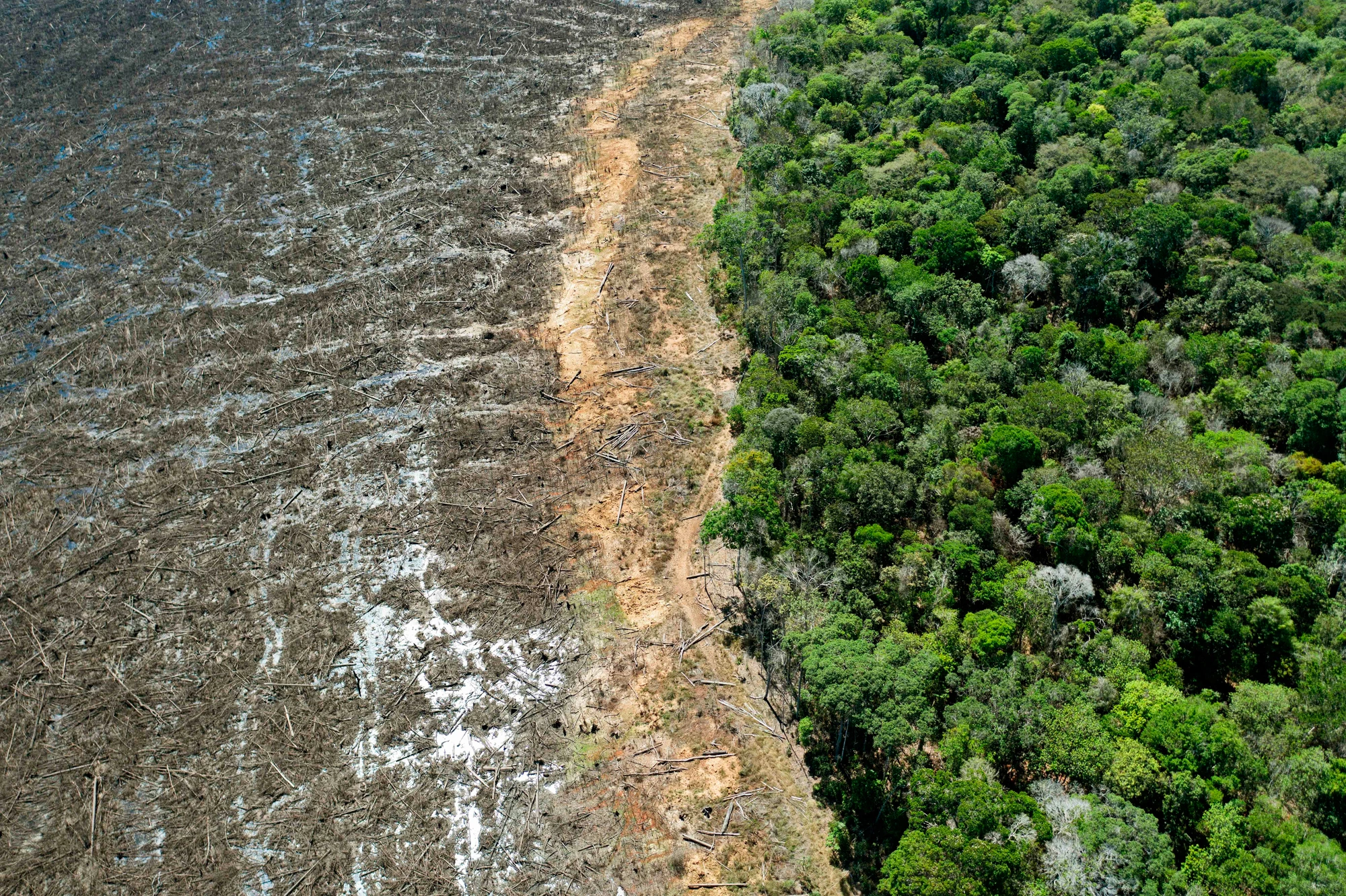
Pará, hosting COP30 in 2025, lost 2 million hectares since 2019, reflecting long-term economic reliance on land clearing. Agropecuária caused 97% of deforestation, underscoring its dominance.
Protected areas showed gains, with two-thirds of Indigenous lands reporting no deforestation. Total losses there dropped 24% to 15,938 hectares. Conservation units lost 57,930 hectares, down 42.5%, boosting Brazil’s credibility in global trade negotiations.
Brazil’s Deforestation Drop Signals Economic Strategy Shift
Brazil’s turnaround stems from stricter policies since 2023, including enhanced IBAMA patrols and Amazon Fund investments. These efforts counter a 2019–2022 surge, when 8.56 million hectares vanished.
The Cerrado’s weak protections, requiring only 20% land preservation, fuel ongoing losses.
The stakes are high for Brazil’s economy, with deforestation threatening water cycles vital for agriculture.
The Amazon nears a tipping point, retaining 81% cover, critical for global commodity stability. Reduced losses enhance Brazil’s position in climate-focused trade deals.
However, challenges remain, as legal deforestation in the Cerrado and illegal Amazon activities persist. Investors watch closely, balancing Brazil’s $3 trillion GDP against environmental risks. The 2024 data suggests a pivot toward sustainability, vital for long-term growth.
This shift matters for global markets, as Brazil supplies 40% of the world’s soy and 20% of its beef. Stable biomes ensure production longevity, attracting investment. Brazil’s deforestation drop signals a pragmatic economic strategy, not just an environmental win.
This article was drafted with automated assistance and reviewed before publication. How we use AI · Report an error · Editorial responsibility: Matthias Camenzind, Editor-in-Chief
Read More from The Rio Times