First Cargo for Dangote Refinery Docks at Kenya’s Lamu Port
Kenya · ENERGY
Key Facts
- —The country Kenya, East Africa’s main trade gateway, relies on imported fuel. Its only refinery, at Mombasa, closed in 2013, and it has no commercial oil output yet.
- —The project Nigerian industrialist Aliko Dangote, Africa’s richest man, chose Lamu on Kenya’s north coast in July for a second 700,000-barrel-a-day refinery, after his plant near Lagos.
- —The price tag Dangote has put the cost at US$15 billion to US$16 billion, Reuters reported. Kenyan officials and media cite Sh2.2 trillion (about US$17.1 billion).
- —What happened On Saturday, 26 September, the MV Da Yang Bai He docked at the new Lamu Port with 2,930 tonnes of construction materials and heavy machinery from China, the first cargo for the project.
- —What comes next A groundbreaking is scheduled for Wednesday, 30 September. President William Ruto and Dangote are expected, and the Daily Nation reports 14 other heads of state are invited.
- —Why it matters to you The refinery is meant to supply eight countries in a region that imports nearly all its refined fuel, so it could shift pump prices, freight and trade flows across East Africa.
- —Still open Where the crude comes from, how the build is financed, and whether Kenya takes up a 10% stake. Dangote aims to finish by 2030.
The first cargo for the Dangote refinery in Kenya docked at Lamu Port on 26 September, four days before a groundbreaking that is meant to turn a years-old corridor plan into East Africa’s biggest industrial build.
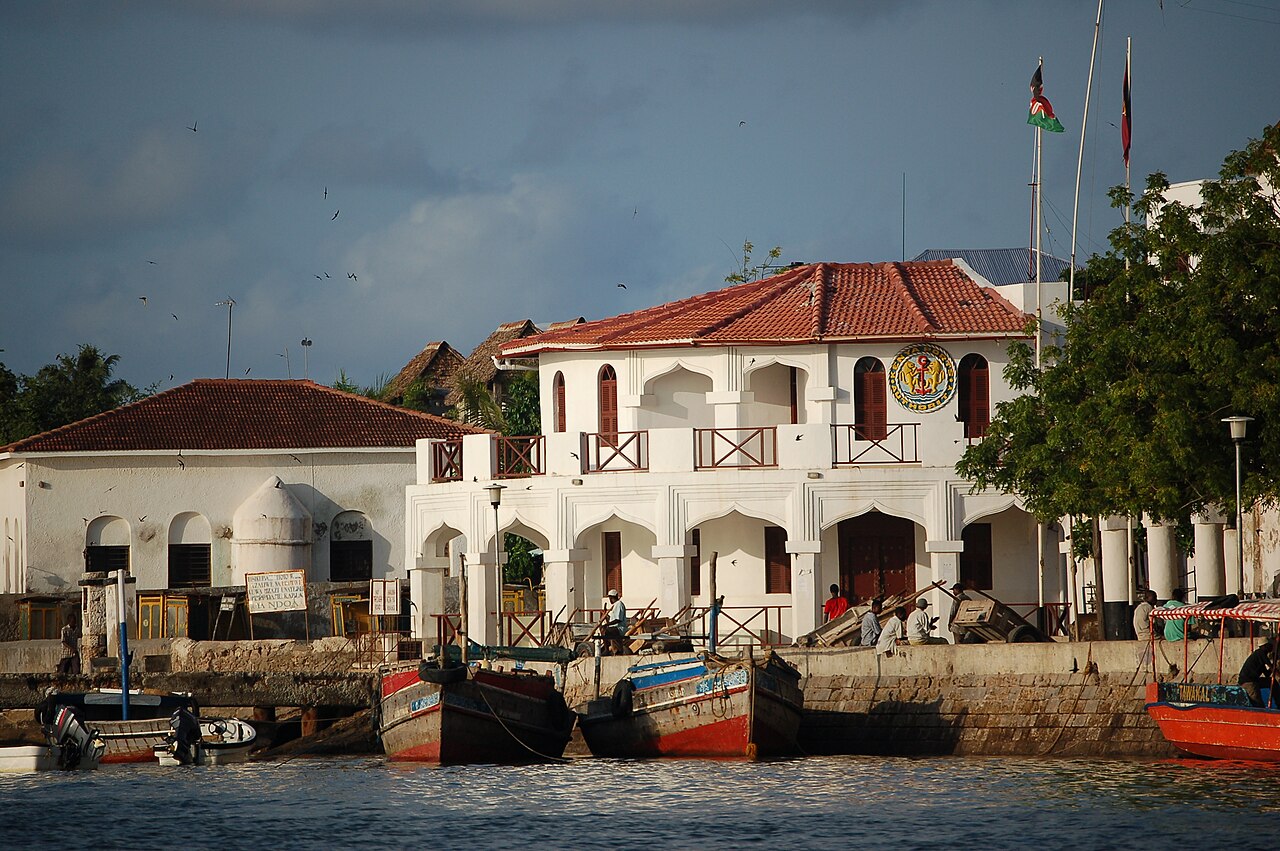
A China-sourced ship carrying construction equipment for Aliko Dangote’s planned East African refinery docked at Lamu Port on Saturday, 26 September 2026. It is the first physical delivery for a 700,000-barrel-a-day project that Kenya hopes will make Lamu an energy hub for the region.
What arrived at Lamu
The MV Da Yang Bai He berthed at Berth 3 of Lamu Port in Kililana, Lamu West, carrying 2,930 tonnes of construction materials and heavy machinery, the Daily Nation reported. The Star and Capital FM carried the same tonnage.
“The vessel comes from China. This is the first caller vessel,” said Captain William Ruto, managing director of the Kenya Ports Authority, who shares a name with the president. He said the docking showed the port could handle very large ships.
Lamu used to receive three to four ships, he said, and he expects traffic to climb once the refinery project starts. The authority is also planning a dry port at Moyale on the Ethiopian border.
A US$15 billion-plus bet on East African refining
Dangote picked Lamu in July, as The Rio Times reported. The plant would match the capacity of his refinery at Lekki near Lagos, which turned Nigeria from a fuel importer into an exporter.
Dangote has said the Kenyan plant will cost US$15 billion to US$16 billion, according to Reuters. Kenyan officials and local media put the project at Sh2.2 trillion, about US$17.1 billion. Shilling figures are converted at Friday’s closing rate of 128.54 per US dollar.
The company plans to fund it through internal cash flow, bonds and a share sale, and hopes to finish by 2030, Reuters reported. Kenya says it has been offered a 10% stake worth about US$500 million, as part of a 30% block offered with Ethiopia and Rwanda, as The Rio Times reported in August. No stake deal has been announced.
The groundbreaking on 30 September
The ceremony is scheduled for Wednesday, 30 September, at Lamu. President William Ruto and Dangote are expected to attend, and the Daily Nation reports that 14 other heads of state are due.
A groundbreaking starts construction; it does not settle crude supply or financing. Reuters had reported earlier in September that the ceremony would be held at the end of the month, which Kenyan outlets have since dated to 30 September.
The crude supply question
Kenya has proven oil reserves in Turkana but no commercial output yet, although small-scale production is expected later this year, Reuters reported. The country’s only refinery closed in 2013.
Dangote hopes to source 600,000 barrels a day from within East Africa, including South Sudan, Uganda and Kenya. But Uganda’s planned export pipeline runs to Tanzania, and South Sudan’s crude goes out through Sudan.
That could leave the plant “dependent on a volatile international seaborne market,” Nigerian oil and gas lawyer Maximillian Ezeude told Reuters. Dangote vice-president Devakumar Edwin played down the hurdles.
LAPSSET and Kenya’s hub ambitions
Lamu Port anchors the Lamu Port-South Sudan-Ethiopia Transport corridor, known as LAPSSET, Kenya’s plan to link landlocked neighbours to the sea. The port has long been underused.
The refinery is designed to supply Kenya, Uganda, Rwanda, Burundi, Tanzania, South Sudan, Ethiopia and the Democratic Republic of the Congo. If it runs as planned, it would bring a steady flow of crude tankers in and product cargoes out of Lamu.
Kenya’s hub pitch competes with Tanzanian ports and with Djibouti, where Ethiopia has started a fuel pipeline built with Dangote Group. These are part of the wider contest traced in Africa: The New Scramble.
Who gains and who carries the risk
Kenya gets a flagship project that tests whether LAPSSET can pay off, and Lamu gets construction jobs and port business. Local residents have demanded a share of jobs and contracts, the Daily Nation has reported.
East African fuel buyers could eventually get shorter supply chains than today’s long seaborne imports. The main risk sits with Dangote, his lenders and any governments that take equity, if crude supply or financing falls short.
What to watch
Watch who actually attends on 30 September and whether any crude supply deal, stake agreement or engineering contract is signed there. After that, the next signs are the arrival of major refinery components at Lamu and the terms of any bond or share sale for the Kenyan plant.
Frequently Asked Questions
When did the first Dangote refinery cargo arrive at Lamu Port?
The MV Da Yang Bai He docked at Lamu Port on Saturday, 26 September 2026, carrying 2,930 tonnes of construction materials and heavy machinery from China, according to the Kenya Ports Authority and the Daily Nation.
How much will the Dangote refinery in Kenya cost?
Aliko Dangote has said it will cost US$15 billion to US$16 billion, Reuters reported. Kenyan officials and media cite Sh2.2 trillion, about US$17.1 billion at Friday’s exchange rate.
What is the main challenge facing the Lamu refinery?
Crude supply. Kenya has no commercial oil output yet, and the hoped-for 600,000 barrels a day from South Sudan, Uganda and Kenya faces logistical obstacles, so the plant could depend on seaborne imports.
Sources
This article was produced by The Rio Times’ automated newsroom system. How we use AI · Report an error
LatAm Markets: Live Signals → — real-time movers, turnover leaders and FX across Latin America.
Read More from The Rio Times