Courts vs. Commander in Chief: The Legal Line on Using the National Guard at Home
From the Oval Office, President Donald Trump said he is prepared to invoke the Insurrection Act “if necessary” as his administration appeals a federal order halting National Guard deployments to Portland, Oregon.
A U.S. district judge had temporarily blocked the move, noting that recent protests near a federal immigration facility were small and largely uneventful.
When the administration attempted to route Guard units from other states, the judge expanded the order to cover any National Guard deployment to Oregon.
The White House argues the president is acting within his authority and says it expects to prevail on appeal. The story behind the story is a fight over who polices America’s streets when politics and public order collide.
One statute lets a president “federalize” state Guard units to execute the laws; the Insurrection Act goes further, allowing active-duty troops—or federalized Guard—when civil authorities can’t or won’t enforce federal law or protect rights.
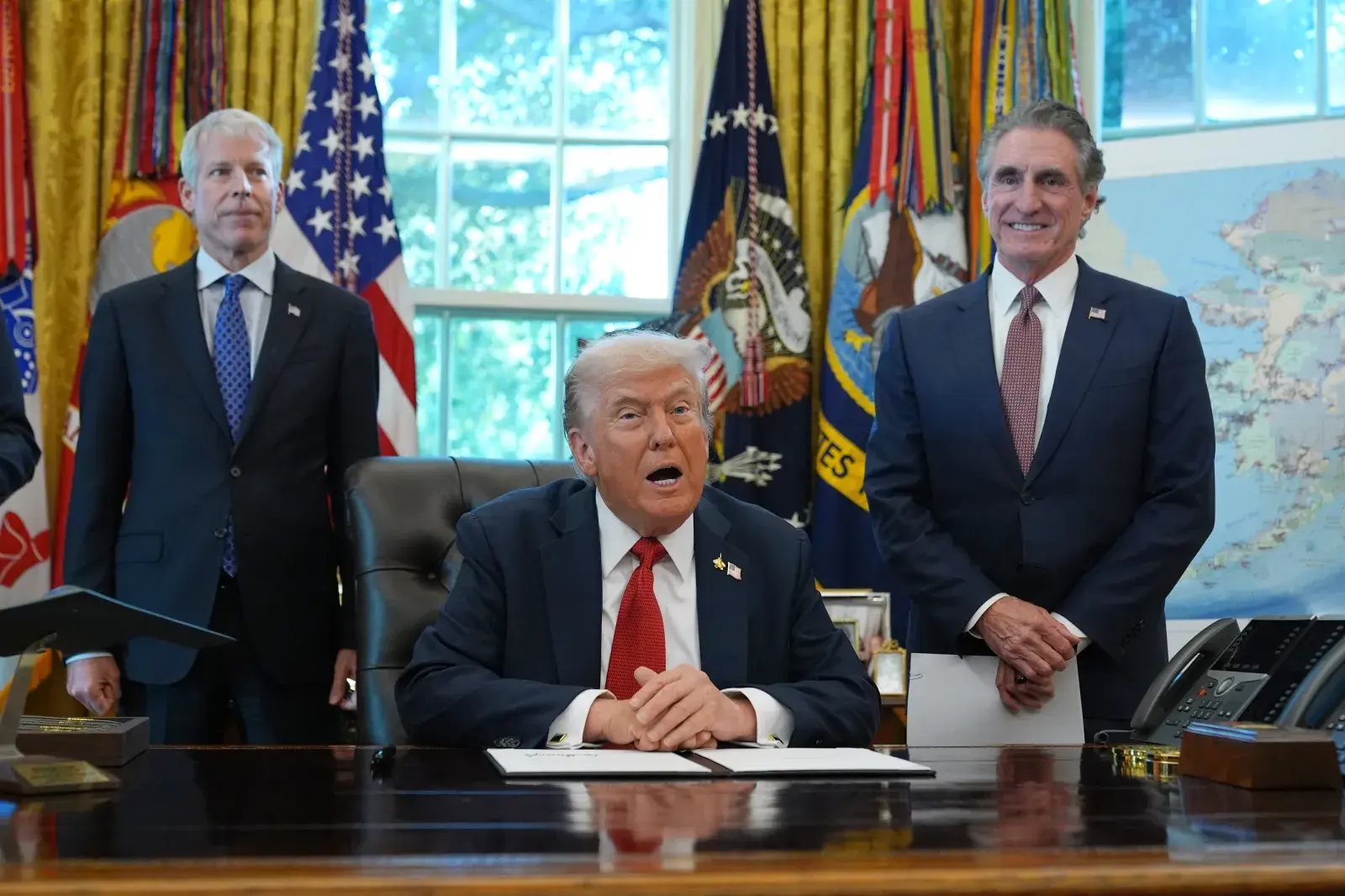
Trump has not invoked the Insurrection Act, but he has repeatedly warned he could. Oregon leaders say local conditions don’t meet the legal threshold; the judge’s order reflects that view for now.
U.S. State-Federal Clash Tests Domestic Military Limits
The confrontation is spreading. Illinois and the City of Chicago have sued to block a planned deployment there; a judge declined to issue an immediate statewide halt while arguments proceed.
Governors in California and Oregon have moved to keep their Guard units at home, even as the administration looks to other states for personnel. The White House response has been combative, with senior aides accusing judges of ignoring threats to federal facilities.
Why this matters beyond U.S. borders: the outcome will shape how far Washington can go in sending troops into American cities over the objections of governors and mayors, defining the line between civilian policing and military force.
For readers in Brazil and elsewhere, it’s a real-time test of federalism, judicial checks on executive power, and the military’s role at home—issues that echo in many democracies.
If appeals narrow or overturn the order—or if the Insurrection Act is actually invoked—the legal precedents set now will travel far beyond Portland or Chicago.
This article was produced by The Rio Times’ automated newsroom system. How we use AI · Report an error · Editorial responsibility: Matthias Camenzind, Editor-in-Chief