From Paris to Brussels: Can France Bend Its Debt Curve Before Confidence Breaks?
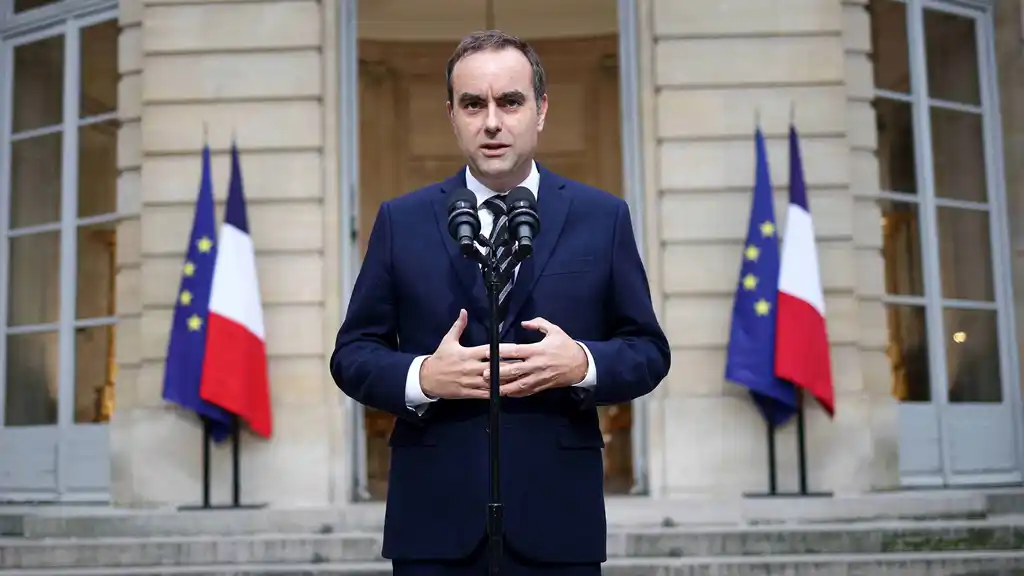
France’s latest prime minister, Sébastien Lecornu, resigned on Monday, October 6—after less than a month in office. The timing was brutal: his exit came just as the government was preparing the 2026 budget.
Investors read it as a sign that Paris still cannot muster the votes to fix its finances, and they reacted fast. Paris’s CAC 40 fell about 2%, the euro slipped around 0.6% against the dollar, and the yield on France’s 10-year bond hovered near 3.6%, widening the gap with safer German debt.
The numbers explain the nerves. France ended 2024 with a budget deficit near 5.8% of GDP—about €170 billion—and public debt a little above 113% of GDP, roughly €3.3 trillion.
Those ratios swelled after years of crisis spending and tax shortfalls, and now higher interest rates make the debt costlier to service. In September, one major rating agency cut France’s grade, citing persistent deficits and limited room to pass reforms.
On top of that, the European Union has placed France under rules that require a credible, multi-year plan to bring the deficit down by the end of the decade.
The story behind the story is political. A snap parliamentary election in 2024 produced no majority. Since then, every attempt to trim spending or raise revenue has run into a wall of fragmented parties.
That gridlock—more than any single budget line—has become the market’s main concern. President Emmanuel Macron now faces two hard options: appoint a technocratic prime minister able to negotiate a narrow path for the 2026 budget, or risk new elections that could deepen uncertainty.
For readers outside France, including in Brazil, the comparison is revealing. Brazil currently carries a lower public-debt ratio and posted stronger growth in 2024, but it relies on much higher interest rates to anchor inflation.
France’s inflation and policy rates are lower, yet its heavier debt load and EU fiscal rules leave less room for error. Why this matters is simple.
If France cannot show a believable path to smaller deficits, borrowing costs will stay high, public services may face restraint, and volatility could spill across Europe.
What to watch now: the next prime minister choice, the substance of the 2026 budget, and whether bond spreads narrow—signs that lawmakers and investors are finally seeing the same plan.
This article was produced by The Rio Times’ automated newsroom system. How we use AI · Report an error
Read More from The Rio Times