Colombia Reservoirs Fall Short of Target as El Niño Nears
Colombia · Energy
Key Facts
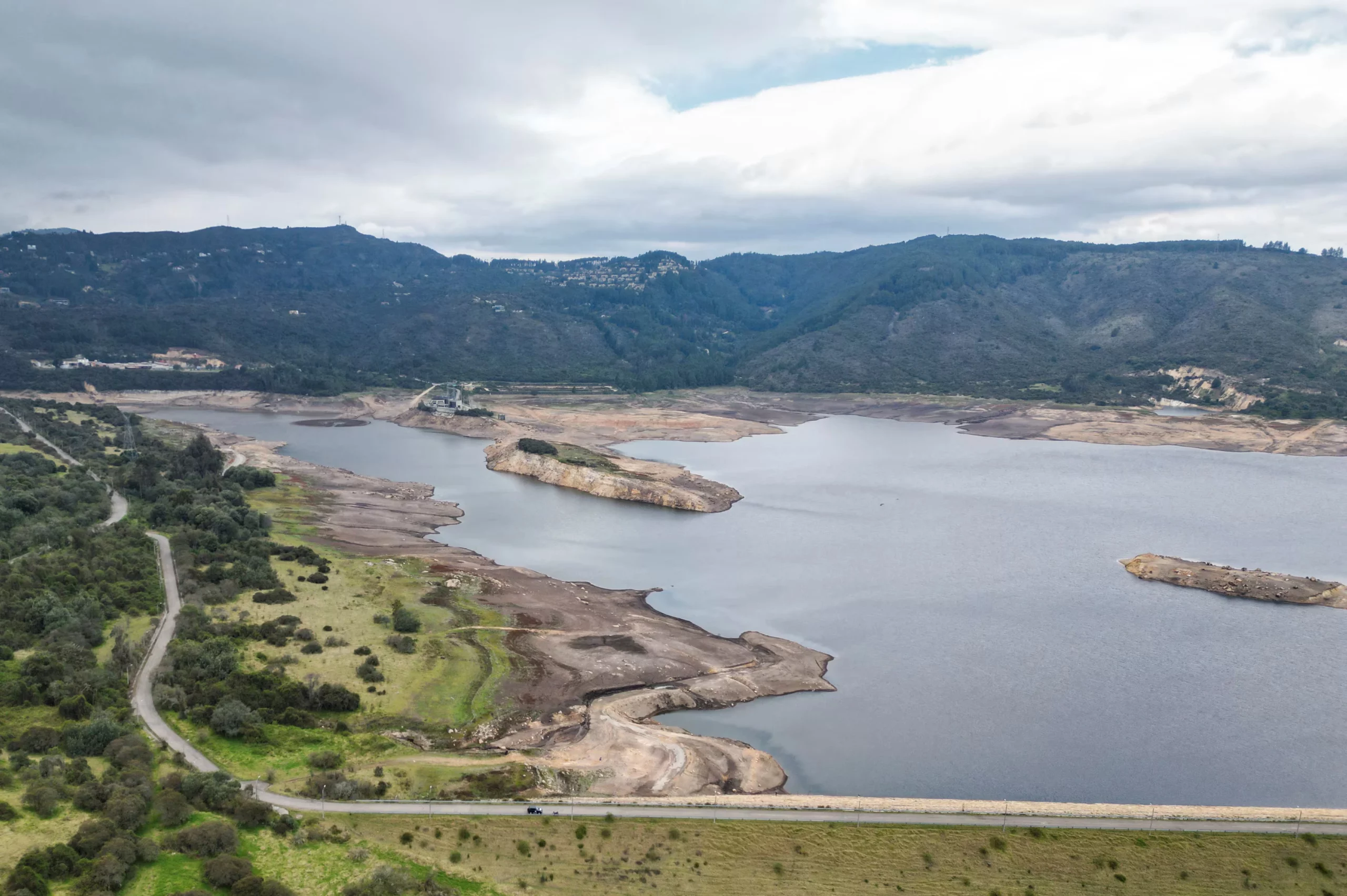
—The gap. Colombia’s reservoirs sat at about 69% in early June, against the 80% the grid operator wants before El Niño.
—Why it matters. The country generates most of its electricity from hydropower, so reservoir levels are the power supply.
—The threat. Forecasters put the odds of El Niño arriving in the second half of 2026 at around 90%.
—Rising demand. Electricity use jumped almost 9% in May, the steepest rise in a year, with a record peak day.
—Low inflows. Water flowing into the reservoirs in May ran at about three-quarters of the historical average.
—The memory. A severe El Niño in the early 1990s forced months of rolling blackouts.
Colombia reservoirs are filling more slowly than the power system needs, leaving them well short of target just as forecasters warn that a dry El Niño is almost certain to arrive in the second half of the year.
A buffer that is not quite full
At the start of June, Colombia’s network of hydroelectric reservoirs stood at roughly 69% of capacity. That sounds healthy until you learn what the country’s grid operator, known as XM, says it needs: about 80% before the dry season sets in. The shortfall, some eleven percentage points, is the buffer the system would lean on if the rains fail. For a foreign reader, XM is the body that runs Colombia’s wholesale electricity market and keeps supply and demand in balance, a role similar to a national grid operator in Europe.
The reason this number carries so much weight is simple. Colombia draws the large majority of its electricity from hydropower, meaning the water held behind its dams is, in effect, the nation’s main fuel tank. When the reservoirs are low and rain is scarce, the country has to burn more expensive backup fuel or, in the worst case, ration power.
Why Colombia reservoirs are the number to watch
The worry is timing. Forecasters give El Niño, the recurring Pacific weather pattern that tends to bring drought to Colombia, around a 90% chance of taking hold in the second half of 2026, and some warn it could be unusually strong. El Niño’s signature effect here is less rain, which means less water flowing into those reservoirs precisely when the country would want them brimming.
The early signs are not reassuring. Water inflows in May came in at about three-quarters of the historical average, below where they should be even before the dry phase begins. So the reservoirs are not only short of target, they are refilling at a sluggish pace. A few dams, in regions such as Antioquia and Valle del Cauca, are sitting comfortably full, but the national picture is one of a cushion that is thinner than the system would like.
Demand is climbing at the wrong moment
Supply is only half the equation, and the other half is moving the wrong way. Electricity demand in Colombia rose almost 9% in May compared with a year earlier, the sharpest increase in twelve months, and on one day in the middle of the month consumption hit the highest single-day level ever recorded on the national grid. Growing demand is usually a sign of a healthy, expanding economy, but when it climbs while reservoirs lag and a drought looms, it tightens an already snug system.
That squeeze, low supply buffer meeting rising demand, is exactly the combination grid planners fear. It does not guarantee trouble, but it shrinks the margin for error if the weather turns against the country.
The shadow of past blackouts
Colombians of a certain age remember why this matters viscerally. A severe El Niño in the early 1990s drained the country’s dams and forced rolling blackouts of several hours a day for months, a national ordeal that reshaped energy policy for a generation. More recently, the El Niño of 2024 pushed reservoirs alarmingly low and forced Colombia to halt electricity exports to neighbouring Ecuador to protect its own supply. Rationing was avoided that time, but only narrowly, and largely through careful management rather than abundant water.
That history is why a reservoir reading in June, months before any crisis, makes the business pages. In Colombia, the level of water behind the dams is read the way other countries read fuel reserves or interest rates: as a leading indicator of what the coming season may cost.
What it means for the months ahead
For now, nothing is broken. The reservoirs are below target, not empty, and there is still time for rain to top them up before the dry season bites. XM has urged the energy and fuel sectors to coordinate, to maximise water storage from August and to secure gas and other backup fuels for thermal plants that can step in when hydropower falls short. The message is preparation, not panic.
Still, the direction of travel is one investors and businesses in Colombia will track closely. If El Niño lands hard and the reservoirs do not recover, the country faces costlier power, heavier reliance on imported fuel, and a renewed conversation about whether its grid is too dependent on the sky. The next few months of rainfall will tell the story, and the reservoir gauges are where it will be written first.
More: Colombia news in English, every day from The Rio Times.
Frequently Asked Questions
How full are Colombia’s reservoirs?
At the start of June they stood at about 69% of capacity, while the grid operator XM says they should reach roughly 80% before the dry season. That leaves the system around eleven percentage points short of its safety target.
Why does this threaten the power supply?
Colombia generates most of its electricity from hydropower, so reservoir water is effectively its main fuel. With El Niño expected to cut rainfall in the second half of 2026, low reservoirs raise the risk of costlier power or, in a severe case, rationing.
Has this happened before?
Yes — a strong El Niño in the early 1990s caused months of rolling blackouts, and the 2024 event pushed reservoirs low enough that Colombia halted power exports to Ecuador. Rationing was narrowly avoided in 2024 through careful grid management.
Connected Coverage
Colombia’s Electricity Cushion Disappears Before El Niño
El Niño 2026: How the Climate Shift Reshapes Latin America
This article was produced by The Rio Times’ automated newsroom system. How we use AI · Report an error · Editorial responsibility: Matthias Camenzind, Editor-in-Chief