JBS Loses $230m on American Beef and Makes Money in Brazil
Commodities
Key Facts
—The split. JBS Beef North America posted negative EBITDA of about $230m in the first quarter, while JBS Brazil’s beef unit made roughly $168m.
—The margins. Minus 3.2% in North America against plus 4.4% in Brazil, on the company’s IFRS numbers.
—The direction. North America’s loss widened from $100.5m a year earlier. Brazil’s profit grew 28%.
—Group strain. Adjusted earnings fell 26%, earnings per share 56%, and leverage rose from 2.0 to 2.8 times.
—Brazilian cattle. The average live price ran to R$338 per arroba ($66), up 6% on a year earlier, per CEPEA-ESALQ.
—The mechanism. American live-cattle prices rose faster than wholesale beef values, so the processor’s spread collapsed.
Read the American trade press and the JBS beef business looks like an industry in trouble. Read the company’s own filing and the picture divides neatly along a border.
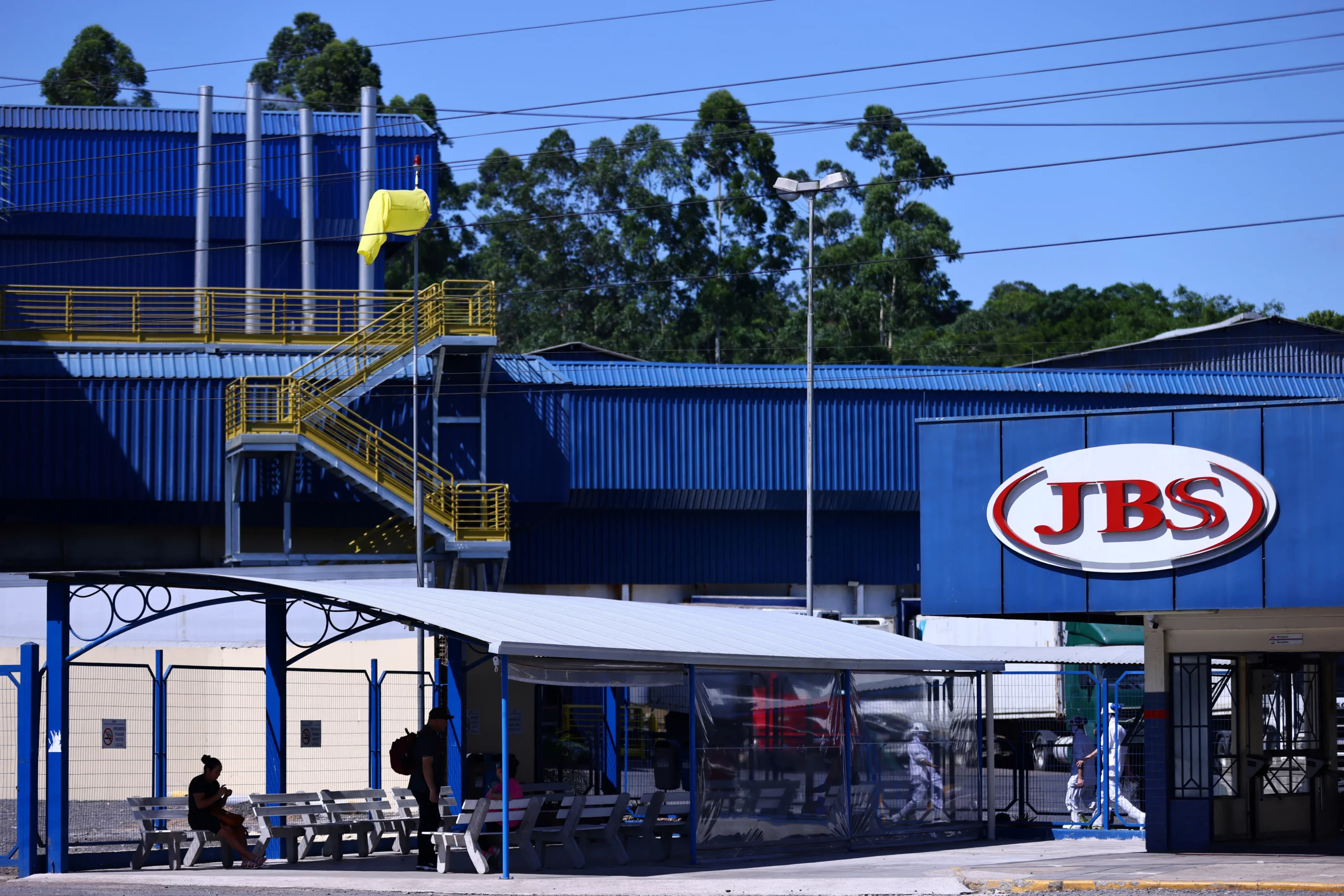
American meat processors are having a bad year, and they are saying so out loud. Plants have closed and the trade press has turned gloomy.
The instinct is to read that as a warning for Brazil, the world’s largest beef exporter. The numbers say the opposite.
What the JBS beef filing actually shows
JBS is a Brazilian company and the largest meat processor on earth. It files quarterly results with the American securities regulator, which makes those results a public document rather than a press release.
In its first-quarter filing, the company reports its North American beef arm with negative EBITDA of about two hundred and thirty million dollars. Its Brazilian beef unit made roughly a hundred and sixty-eight million.
The margins tell it faster. Minus three point two percent in North America, plus four point four percent in Brazil.
The gap is also widening. A year ago the North American loss was a hundred million dollars, so it has more than doubled, while the Brazilian profit rose by roughly a quarter.
The filing was published in May and covers the first three months of the year. What has changed since is the mood, not the mechanics.
Trade publications reported this week that processors are still competing for a dwindling supply of animals, with plants closing on both sides of the industry. The company that owns the largest of them had already put a number on the damage.
Why the JBS beef business is losing money in America
The reason is a spread, not a price. A processor buys live animals and sells wholesale cuts, and it earns the difference between the two.
High beef prices sound like good news for a meat company. They are not, if the animal costs more than the meat gained.
That is exactly what the filing describes. Wholesale values held at historically high levels, but the rise in live cattle prices outpaced the change in those values, and industry spreads stayed heavily pressured.
The company names one further constraint: live-cattle imports from Mexico remained restricted through the quarter. Fewer animals to bid for, in a market where the American herd is already thin.
Brazil is the hedge, not the casualty
Brazilian cattle are not cheap either. The filing puts the quarter’s average live price at three hundred and thirty-eight reais per arroba, about sixty-six dollars, six percent above a year earlier.
The company says that cost pressured its Brazilian profitability. Yet the segment still posted record first-quarter sales and grew its earnings, because export demand carried it.
That is the whole distinction. In the United States the processor is squeezed between a shrinking herd and a retail market it does not control, whereas in Brazil the cattle cycle is not in the same phase.
So the pessimism of American packers is not a leading indicator for Brazilian exporters. It is a description of a domestic supply problem that Brazilian supply happens to answer.
Live Company IntelligenceJBS N.V. — the full investor dossier
Wall Street view
Valuation & profitability
Price & risk
$10.6152-wk high
$17.27
Revenue trend · 6y
Ownership
Dividend
Where the comfort ends
None of this makes the parent company healthy. Group adjusted earnings fell by roughly a quarter, and earnings per share by more than half.
Free cash flow ran to minus one and a half billion dollars in the quarter, against minus nine hundred and seventeen million a year before. Net leverage climbed from two times earnings to two point eight.
A Brazilian segment earning a hundred and sixty-eight million cannot offset a North American arm losing two hundred and thirty. Diversification cushions a blow; it does not cancel one.
The forward test is the American herd. If the cattle cycle turns and spreads recover, the loss narrows on its own, and if it does not, the Brazilian cushion has to absorb another year.
For a foreign investor the read is narrow but useful. Weak American packer margins are a reason Brazilian beef keeps finding buyers abroad, not a signal that Brazilian exporters are next in line for pain.
Background: Why Trump Has Become a Central Force in Brazil Election.
Background: Brazil’s Own VP Calls Its Tax System a ‘Madhouse’ That Repels Investors.
Background: our doing business in brazil a complete guide for foreign entrepreneurs guide.
More: Brazil news in English, every day from The Rio Times.
Frequently Asked Questions
Why are American meat packers losing money when beef prices are high?
Processors earn the spread between what they pay for live cattle and what they get for wholesale beef. With the American herd small, live-cattle prices have risen faster than wholesale values, so that spread has collapsed even as retail beef stays expensive.
Does this hurt Brazilian beef exporters?
Not on the evidence of this filing. JBS reports its Brazilian segment growing earnings on strong export demand while its North American beef arm deepens its loss, which suggests the two markets are in different phases of the cattle cycle.
Is JBS as a whole in good shape?
No, the group is under real strain. Adjusted earnings fell about a quarter year on year, earnings per share more than halved, free cash flow was deeply negative, and net leverage rose from two times earnings to roughly two point eight.
This article was produced by The Rio Times’ automated newsroom system. How we use AI · Report an error · Editorial responsibility: Matthias Camenzind, Editor-in-Chief
LatAm Markets: Live Signals → — real-time movers, turnover leaders and FX across Latin America.