China Clears WTO Reform Path, Shifts Spotlight to Brazil, India and South Africa
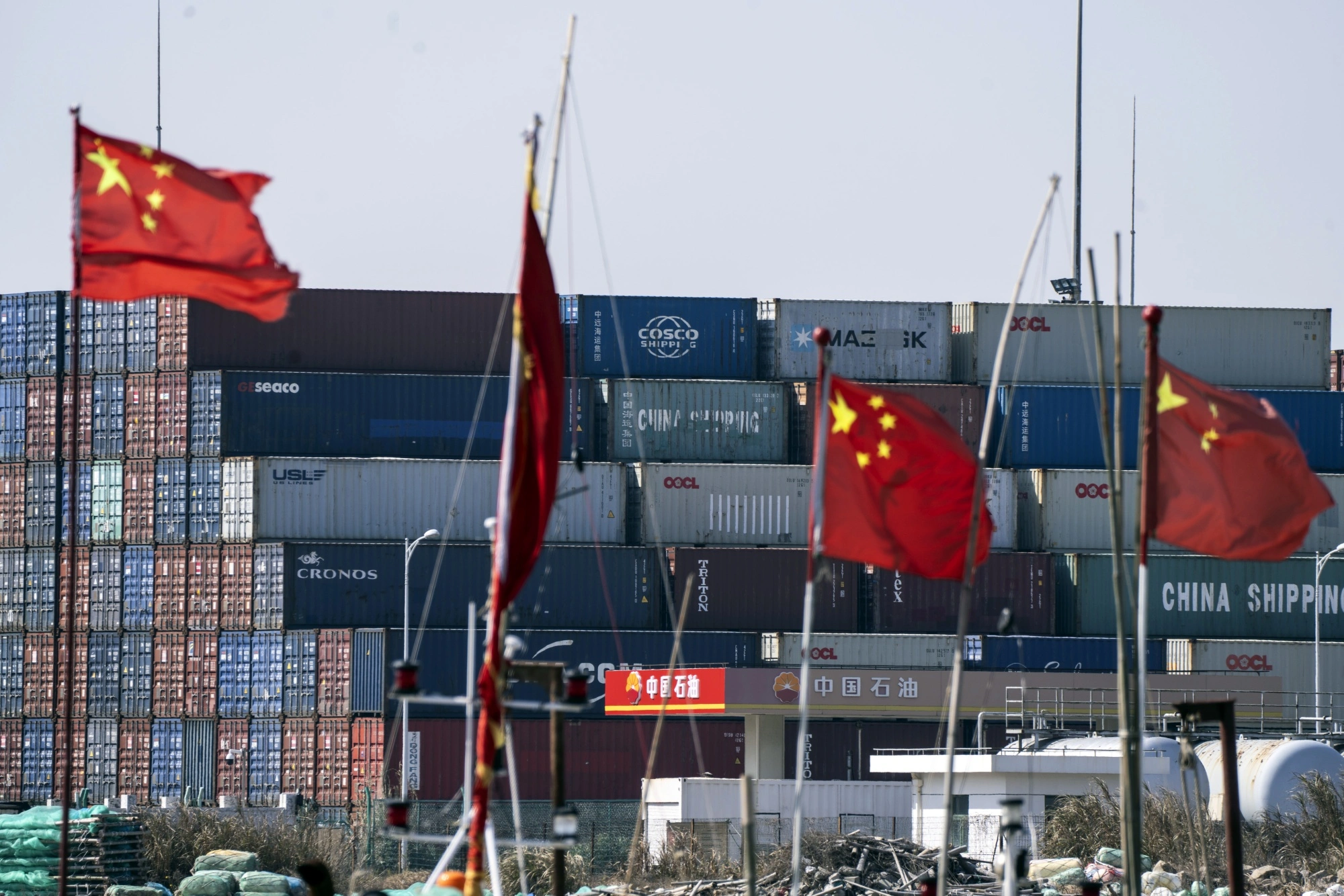
China announced on September 23, 2025 that it will no longer claim Special and Differential Treatment in future WTO agreements.
This waiver removes Beijing’s main obstacle to modernizing global trade rules and sets a new standard for large emerging economies.
With a 2024 GDP near US $18 trillion and over US $3.5 trillion in merchandise exports, China no longer qualifies for developing-country flexibilities.
By forgoing longer transition periods and looser subsidy rules, it clears the way for talks on digital commerce, environmental standards, and state subsidies.
Brazil faces renewed scrutiny. It renounced special treatment in 2019 under President Bolsonaro but reversed course under President Lula. Now Brazil must choose between consistent reform and risking diplomatic isolation if it clings to old privileges.
India holds the largest claim to S&DT, with a US $4 trillion economy and leading services exports. Major trading partners will press New Delhi to match China’s example or risk blocking WTO modernization efforts.
South Africa relies on S&DT to guard steel and agricultural sectors. With China’s move, Pretoria must weigh protecting local jobs against the benefits of shaping tougher, unified trade rules.
Developed countries will now push all self-designated “developing” members to abandon or limit carved-out rights. Governments must balance short-term industry safeguards with long-term influence over the rule-book.
WTO Director-General Ngozi Okonjo-Iweala called China’s decision “a pivotal moment” that will energize negotiations. The world will watch whether this shift translates into concrete agreements on digital trade, subsidy disciplines, and climate-related measures.
Businesses should prepare for stricter compliance deadlines, detailed subsidy reporting, and new digital trade safeguards. Policymakers must engage actively to shape rules that reflect current economic realities.
China’s waiver marks a rare instance of a major economy relinquishing preferential status. It demonstrates how shifts in economic weight can unlock stalled multilateral processes and compel other emerging powers to follow suit.
More: Brazil news in English, every day from The Rio Times.
This article was produced by The Rio Times’ automated newsroom system. How we use AI · Report an error · Editorial responsibility: Matthias Camenzind, Editor-in-Chief