Chile’s Presidency Ordered Millions of Pesos of Meat While Preaching Austerity
Key Facts
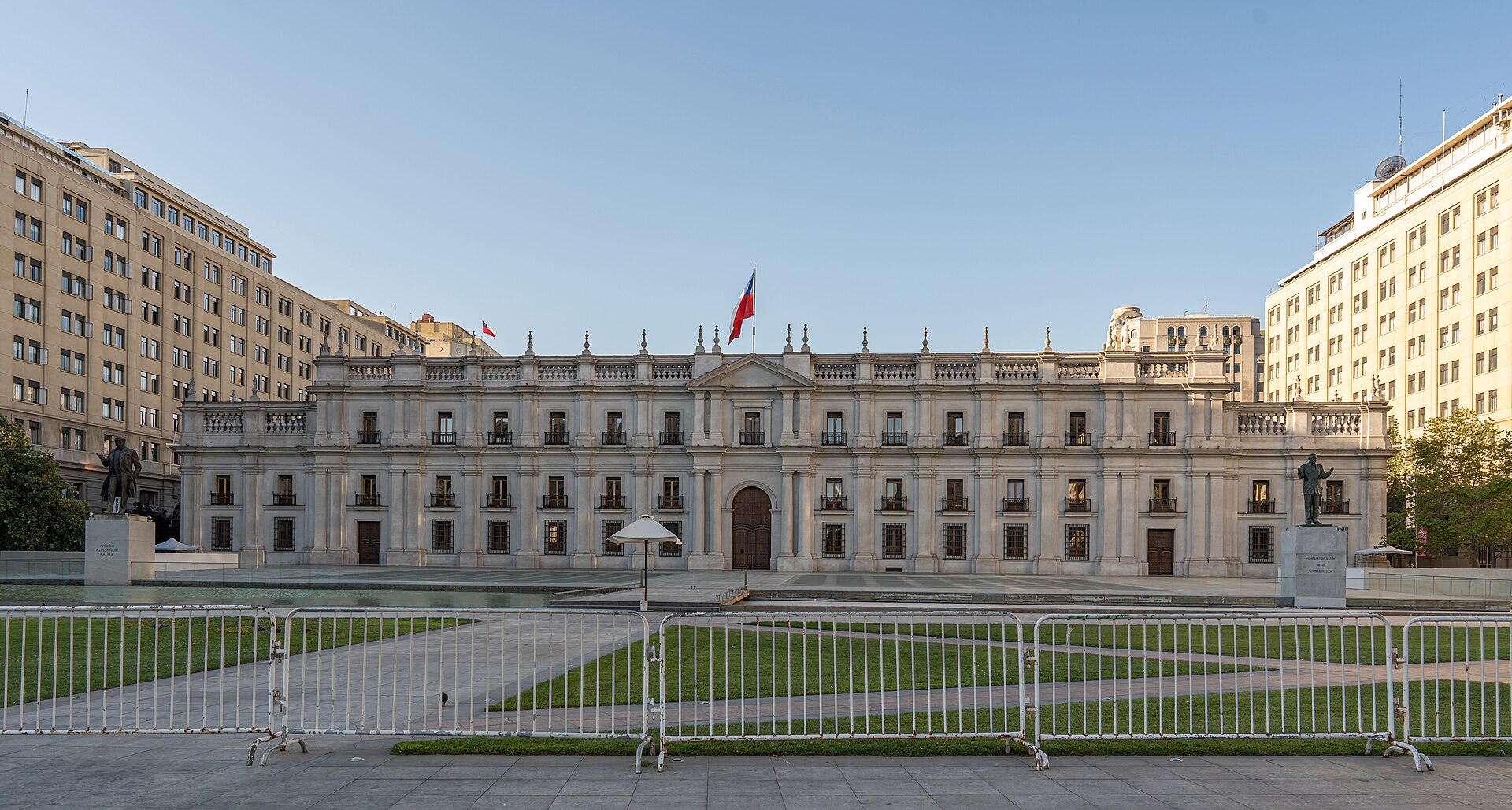
A government that campaigned on cutting the state has spent the week explaining a grocery bill. Purchase orders issued by Chile’s presidency between 27 August and 8 September came to 264.4 million pesos including tax.
That is about US$275,000. Most of it, roughly 255 million pesos or US$265,000, went on meat.
What Was Actually Ordered
Three orders cover the meat. Pork and beef account for 153 million pesos, poultry for 63.75 million and processed cold cuts for 38.25 million.
All three were issued on 2 September to two suppliers. The largest went to a commercial supplier of meat products.
The remaining balance is not food at all. It covers 10,000 metal flag pins worth 7.08 million pesos and 100 desk flags worth 2.37 million.
Reporting that describes the whole 264 million as meat is therefore wrong by about nine million pesos. The meat figure is 255 million, which is still the bulk of it.
The Detail That Changes the Story
The three meat orders derive from a public tender for a twelve-month supply framework. They are drawn down against requests rather than delivered at once.
That changes how the number should be read. A framework contract for a year of catering at the presidential palace is a different thing from a banquet.
It does not make the total disappear. It does mean the implied image of a single feast is not what the procurement record shows.
The original work was done by the fact-checking outlet Fastcheck on 11 September, against the public procurement platform. Its verdict on the underlying figures was that they are real.
Chile’s procurement system publishes every order a public body places. That transparency is why a story like this is possible at all, and why it recurs under every government.
Why It Landed Anyway
The political force of the story comes from the contrast rather than the sum. President José Antonio Kast’s government has made fiscal restraint its organising theme.
Chile’s public finances are under genuine strain. The government has committed to spending cuts that reach across ministries.
A procurement line for meat and flags is small in that context. It is also easy to understand, which is what makes it travel.
The most widely shared version of the story appeared on Friday as an opinion column rather than a news report. That distinction has been lost in the retelling.
Chile is also in the middle of its national holidays, when meat consumption is the country’s defining ritual. The timing gave the story a sharpness it would not have had in March.
Presidential catering is a standing budget line in every country. What made this one land was the week it surfaced in.
The Forty-Ninth Departure
A separate count kept by El Mostrador reached 49 this week. Fabián Páez, the regional energy secretary for Coquimbo, left office on Thursday.
The comptroller general had found that he did not meet the academic and professional experience requirements for the post. He resigned rather than contest it.
The tally breaks down as 39 regional ministerial secretaries and ten other senior officials. That averages one departure every 3.9 days since the government took office.
Two other outlets counted the same resignation as the forty-eighth. The disagreement is between running tallies rather than between events, and there was no separate departure on Friday.
What the Count Measures
Regional ministerial secretaries are the government’s representatives in Chile’s sixteen regions. They are political appointments made quickly after a new administration takes office.
Rapid turnover among them is not unprecedented. What is unusual is the pace, and the recurrence of qualification problems as the stated reason.
The comptroller general’s office checks whether appointees meet the legal requirements for their posts. Several of this government’s departures have followed such findings.
The office has no power to remove an appointee directly. Its findings create a political cost that almost always produces a resignation instead.
That points at the appointment process rather than at the individuals. Vetting that catches problems after appointment is vetting that happened too late.
The government took office in March after winning a run-off against the left. It filled several hundred posts in its first weeks, at a speed that leaves little room for checking.
The opposition has made the count a standing line of attack. The government has largely declined to engage with it in public.
Frequently Asked Questions
How much did Chile’s presidency spend on meat?
About 255 million pesos, roughly US$265,000, across three orders issued on 2 September. The wider total of 264.4 million also covers flag pins and desk flags.
Was it a single purchase?
No. The meat orders draw on a twelve-month supply framework agreed through a public tender, delivered against requests rather than all at once.
Who established the figures?
The fact-checking outlet Fastcheck, on 11 September, working from Chile’s public procurement platform.
How many officials have left the Kast government?
El Mostrador counts 49 in six months, comprising 39 regional ministerial secretaries and ten other senior officials. Some outlets count the same latest departure as the forty-eighth.
Why did the energy secretary resign?
The comptroller general found that he did not meet the academic and professional experience requirements for the post. He left office on 17 September.
Sources: Fastcheck on the presidency’s purchase orders, Noticias Los Ríos on the same procurement record, El Mostrador on the running count of departures, La Tercera on the Coquimbo resignation
This article was produced by The Rio Times’ automated newsroom system. How we use AI · Report an error
In depth
Read More from The Rio Times