IBOV 186,595.60 ▲ 0.74% IPSA 11,357.82 ▼ 0.21% IPC MEX 63,536.96 ▲ 0.25% MERVAL 2,998,956 — 0.00% COLCAP 2,565.55 ▲ 0.68% BVL PERÚ 59,344.04 ▲ 0.31% USD/BRL5.11▼ 0.02% USD/MXN17.23▲ 0.08% USD/CLP946.95▼ 0.24% USD/COP3,195▲ 0.58% USD/PEN3.38▲ 0.03% USD/ARS1,514▼ 0.03% USD/UYU40.14▼ 0.05% USD/PYG5,926▲ 0.34% USD/BOB10.95▲ 10.05% USD/DOP59.26▲ 0.87% USD/CRC443.27▼ 0.27% USD/GTQ7.63▼ 0.05% USD/HNL26.86▲ 0.03% USD/NIO36.62▲ 2.80% USD/VES850.29▲ 0.21% USD/PAB1.00— 0.00% USD/BZD2.00— 0.00% USD/JMD 157.28 — 0.00% USD/TTD6.76▲ 0.17% EUR/BRL5.86▼ 0.69% BRENT 88.88 ▼ 0.03% WTI 83.11 ▼ 0.11% IRON ORE 161.91 — — COPPER 6.61 ▲ 0.03% GOLD 4,461 ▲ 1.78% SILVER 65.59 ▲ 1.26% SOY 1,184 ▲ 3.20% CORN 480.50 ▲ 10.02% WHEAT 655.00 ▲ 3.93% COFFEE 317.25 ▼ 5.51% SUGAR 16.43 ▼ 1.79% ORANGE JUICE 138.55 ▼ 0.47% COTTON 85.03 ▲ 2.33% COCOA 5,719 ▲ 3.18% BEEF 223.60 ▼ 3.93% CATTLE 339.10 ▼ 3.16% LITHIUM 75.20 ▲ 1.47% PETR4 41.64 ▼ 0.05% VALE3 72.97 ▲ 0.83% ITUB4 38.60 ▼ 1.03% BBDC4 16.85 ▲ 0.36% ABEV3 14.89 ▼ 0.80% BBAS3 19.37 ▲ 0.47% B3SA3 14.26 ▼ 0.21% WEGE3 47.59 ▲ 0.49% PRIO3 59.14 ▼ 0.19% SUZB3 41.33 ▲ 2.35% RENT3 34.68 ▼ 0.09% AZZA3 15.89 ▼ 2.63% CSAN3 3.22 ▼ 1.83% RAIZ4 0.25 — 0.00% PCAR3 2.75 ▼ 0.36% GMAT3 3.65 ▼ 1.08% PSSA3 48.13 ▼ 0.54% CVCB3 1.33 ▼ 2.92% POSI3 3.36 ▲ 2.44% SLCE3 13.34 ▲ 0.30% NATU3 8.14 ▼ 0.73% IBOV 186,595.60 ▲ 0.74% IPSA 11,357.82 ▼ 0.21% IPC MEX 63,536.96 ▲ 0.25% MERVAL 2,998,956 — 0.00% COLCAP 2,565.55 ▲ 0.68% BVL PERÚ 59,344.04 ▲ 0.31% USD/BRL 5.16 ▲ 0.01% USD/MXN 17.06 ▼ 0.24% USD/CLP 913.98 ▲ 0.04% USD/COP 3,140 ▲ 0.03% USD/PEN 3.36 ▼ 0.66% USD/ARS 1,493 ▲ 0.10% USD/UYU 40.27 ▲ 1.24% USD/PYG 5,939 ▲ 1.68% USD/BOB 11.64 ▼ 0.76% USD/DOP 58.34 ▲ 1.25% USD/CRC 445.92 ▲ 0.89% USD/GTQ 7.62 ▲ 2.21% USD/HNL 26.79 ▲ 1.57% USD/NIO 36.62 ▲ 0.69% USD/VES 762.44 ▼ 0.13% USD/PAB 1.00 — 0.00% USD/BZD 2.00 — 0.00% USD/JMD 157.28 — 0.00% USD/TTD 6.70 ▲ 0.61% EUR/BRL 5.95 ▲ 1.01% BRENT 88.88 ▼ 0.03% WTI 83.11 ▼ 0.11% IRON ORE 161.91 — — COPPER 6.61 ▲ 0.03% GOLD 4,461 ▲ 1.78% SILVER 65.59 ▲ 1.26% SOY 1,184 ▲ 3.20% CORN 480.50 ▲ 10.02% WHEAT 655.00 ▲ 3.93% COFFEE 317.25 ▼ 5.51% SUGAR 16.43 ▼ 1.79% ORANGE JUICE 138.55 ▼ 0.47% COTTON 85.03 ▲ 2.33% COCOA 5,719 ▲ 3.18% BEEF 223.60 ▼ 3.93% CATTLE 339.10 ▼ 3.16% LITHIUM 75.20 ▲ 1.47% PETR4 41.64 ▼ 0.05% VALE3 72.97 ▲ 0.83% ITUB4 38.60 ▼ 1.03% BBDC4 16.85 ▲ 0.36% ABEV3 14.89 ▼ 0.80% BBAS3 19.37 ▲ 0.47% B3SA3 14.26 ▼ 0.21% WEGE3 47.59 ▲ 0.49% PRIO3 59.14 ▼ 0.19% SUZB3 41.33 ▲ 2.35% RENT3 34.68 ▼ 0.09% AZZA3 15.89 ▼ 2.63% CSAN3 3.22 ▼ 1.83% RAIZ4 0.25 — 0.00% PCAR3 2.75 ▼ 0.36% GMAT3 3.65 ▼ 1.08% PSSA3 48.13 ▼ 0.54% CVCB3 1.33 ▼ 2.92% POSI3 3.36 ▲ 2.44% SLCE3 13.34 ▲ 0.30% NATU3 8.14 ▼ 0.73%
since 2009
Tuesday, September 22, 2026

Latin America Analysis

Chavismo Consolidates Absolute Power in Venezuela Amid Economic Realignment

By · July 28, 2025 · 2 min read

The LatAm Brief

One email, every weekday morning. What moved in Latin American markets, politics and expat life.

Yesterday’s subject line: “68 strikes, 223 people. A UN expert says murder.”

Free. We send a confirmation link first — nothing arrives until you click it. Unsubscribe with one click in any edition. If you stop opening us for 30 days we stop sending by ourselves, as we assume the interest is no longer there. See our privacy policy. We never share your email.

(Analysis) According to comprehensive reports from international human rights bodies and official election data, Venezuela’s government has strengthened authoritarian control.

Nicolás Maduro claimed victory in the presidential election on July 28, 2024, amidst widespread accusations of fraud. Opposition leaders María Corina Machado and Edmundo González Urrutia challenged these results.

They presented voting documents indicating González Urrutia secured between 67% and 87% of the vote. Despite these proofs, Venezuelan authorities dismissed opposition claims without detailed explanations.

Following the controversial election, mass protests erupted nationwide. Venezuelan security forces swiftly cracked down. Between late July 2024 and July 2025, around 1,900 protesters were detained.

Reports also indicated at least 24 people died during protests, raising significant human rights concerns. Independent international institutions, including the Inter-American Commission on Human Rights, rejected Maduro’s legitimacy.
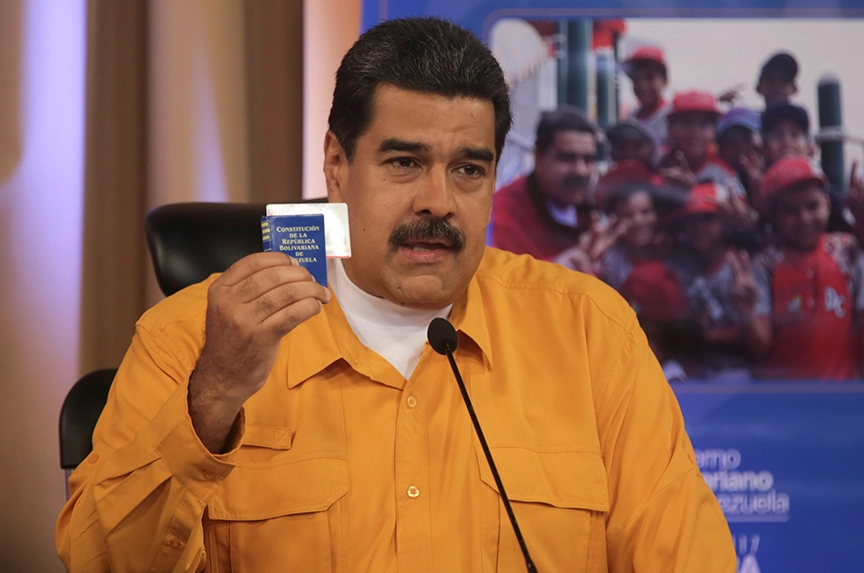
Chavismo Consolidates Absolute Power in Venezuela Amid Economic Realignment
Chavismo Consolidates Absolute Power in Venezuela Amid Economic Realignment.
One-stop reference
Company Intelligence
Every listed company in Latin America — financials, ownership and structure for 1,450+ companies across 26 exchanges, in one place.
Browse the directory →
RT
Ask Rio Times
17 years of Latin America reporting, on demand.
Open the full Ask Rio Times →

These groups documented over 300 cases of serious human rights abuses. Incidents included arbitrary detention, torture, and unlawful killings. The Venezuelan government has consistently denied these allegations, maintaining Maduro won legitimately.

As political tensions rose, Venezuela sought economic relief through foreign partnerships. The Maduro administration reopened Venezuela’s oil market to Chevron Corporation, signaling a pragmatic shift toward economic cooperation with U.S. companies.

Despite this, tensions remain high with Washington officially labeling Maduro’s administration as heading a criminal organization involved in drug trafficking.

Internally, Maduro intensified repression to maintain his regime’s stability. Key opposition figures, including González Urrutia, fled into exile to avoid arrest.

María Corina Machado went underground, secretly coordinating opposition activities from hiding. Maduro’s deputy, Diosdado Cabello, spearheaded harsher security measures, assuming control over internal security and justice ministries.

He authorized the use of regular prisons to detain opposition leaders due to overcrowding in detention centers. Business communities cautiously navigated this new reality.

The Venezuelan government conducted recent local elections unchallenged, strengthening Maduro’s institutional hold. Opposition participation ceased almost entirely, undercutting the democratic process further.

The economic stakes remain significant. Maduro’s recent dialogues with private universities, business chambers, and opposition-controlled municipalities suggest a possible cautious reopening toward selective sectors.

However, continued international scrutiny, sanctions, and accusations of illegitimacy pose major challenges for stable investment in Venezuela.

This article was produced by The Rio Times’ automated newsroom system. How we use AI · Report an error

Read More from The Rio Times

The Rio Times · Power Map
See who really holds power in Latin America
Click to open the Power Map

Rotate for Best Experience

This report is optimized for landscape viewing. Rotate your phone for the full experience.