Asia Intelligence Brief — Monday, September 21, 2026
Executive Summary
Asia Intelligence Brief for 21 September 2026: Tokyo moves to be heard before Beijing is as Takaichi flies to meet Trump, China arrives composed and
Asia Intelligence Brief — Monday, 21 September 2026
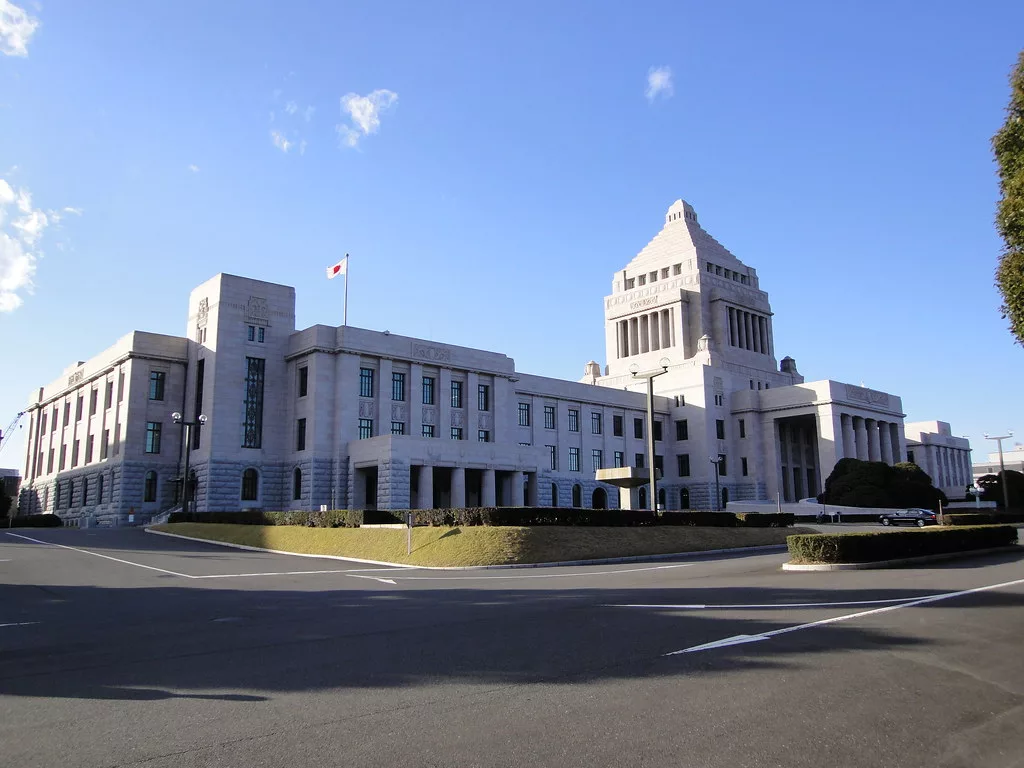
Washington’s Asian allies spent the weekend making sure they are heard before Beijing is. Japan’s leader flies to New York two days before Xi Jinping reaches Washington, so that Donald Trump “does not lean towards conciliation with China”, wrote the Sankei Shimbun, a national daily.
Beijing sounds composed by comparison, and it is making gestures. Its foreign ministry called the exchange of visits between the two presidents “a milestone of historic significance”, and at the same news conference condemned what it called Japan’s “accelerated remilitarization”.
Seoul is humbled at home and buoyant abroad, where its exports for the first 20 days of September reached a record US$71.4 billion. “The people are always right; it is all because of my shortcomings”, President Lee Jae-myung said on Friday, before leaving to seek meetings with Mr Trump in New York.
Pakistan is striking abroad and locking down at home. After an attack on a police mosque in Kohat killed 23 people, its jets struck inside Afghanistan and it began sealing Islamabad before an opposition march on 27 September.
Bangladesh’s opposition is edging from eight demands to one. “When it turns into a one-point demand, the situation will be very serious”, Shafiqur Rahman, the leader of the Islamist party Jamaat-e-Islami, told a rally in Dhaka on Saturday.
What steadies the region is money and routine. Stock markets rose on Monday in Hong Kong, Shanghai, Seoul and Mumbai, and the Asian Games carried on around a typhoon, though Thursday’s summit in Washington can still move all of it.
Read this morning in English and in the original Japanese, Korean and Chinese. Translations from those three languages are the desk’s own, and the sources box names every outlet.
Tokyo Moves To Be Heard Before Beijing Is
Tokyo is anxious not to be bypassed, and its prime minister is flying out to prevent it. Sanae Takaichi leaves Haneda Airport by government aircraft on Monday night for the United Nations General Assembly in New York, the Sankei Shimbun reported.
The meeting that matters is with Mr Trump on 22 September, New York time. It comes two days before his summit with Mr Xi on 24 September, and the Sankei wrote that the aim is to make sure he “does not lean towards conciliation with China”.
ANN, the news network of TV Asahi, added that Ms Takaichi wants to press Mr Trump not to give ground on Taiwan. Taiwan is the self-governing island that China claims as its own.
Relations with Beijing have been cold since Ms Takaichi said that a Chinese attack on Taiwan could threaten Japan’s survival. The Sankei wrote that China is “coercing” Japan and others through export controls on rare earths and other critical minerals, where it holds an overwhelming share of production.
Beijing answered in its own register on Monday. China’s foreign ministry called the Typhon, an American land-based missile system deployed on Kyushu, Japan’s southern main island, “a strategic offensive weapon” and “yet another example of Japan’s accelerated remilitarization”.
Asked whether its rare-earth curbs on Japan would come up at the summit, the ministry restated them. China “prohibits the export of all dual-use items to Japanese military users and for Japan’s military use”, it said, meaning goods with both civilian and military uses.
Tokyo brings money as well as worries, notably a US$550 billion investment pledge to the United States, the Seoul Economic Daily reported. A White House official told the Asahi Shimbun, a Tokyo daily, that Japan’s importance is “all the greater” before Mr Xi arrives.
The agenda is wider than China, in the pair’s first summit in six months, on the Seoul Economic Daily’s account. It may include American sanctions on Tomoko Akane, the Japanese president of the International Criminal Court in The Hague.
Beijing Arrives Composed, And Brings Gestures
Beijing prepared the summit in a composed voice. Vice-Premier He Lifeng, who oversees China’s economy, met the Treasury Secretary Scott Bessent and the trade representative Jamieson Greer on Sunday at JPMorgan Chase’s headquarters in Manhattan, CBS News reported.
Mr Bessent called it “a very successful engagement”, the Associated Press reported. Xinhua, China’s state news agency, described “candid, in-depth, constructive” exchanges built on “mutual respect, peaceful coexistence and win-win cooperation”.
The American side put a new idea on the table. Mr Bessent proposed a way for the two governments to notify each other of incidents involving artificial intelligence that reach the level of national security, Reuters reported.
He framed it as a matter of transparency. “Moving from opaque to more transparency between the No. 1 and the No. 2 AI powers in the world is very important”, he said.
Beijing kept its own counsel, as Mr He and China’s chief trade negotiator, Li Chenggang, left without speaking to reporters. The two Americans gave no update on Chinese pledges to buy US$17 billion a year more in American farm goods and more than 200 Boeing jets, which Reuters described as unresolved since May.
The foreign ministry confirmed on Monday that Mr Xi will pay a state visit from 23 to 25 September. Its spokesman, Guo Jiakun, said “head of state diplomacy plays an irreplaceable role” in guiding relations, the Express Tribune reported.
Mr Trump will welcome Mr Xi to the White House on Thursday for a summit and a state dinner, CBS News reported. It will be the second meeting of the two leaders this year, after Mr Trump’s visit to Beijing in May, and Mr Xi last visited the White House in 2015.
Lending rates stayed where they were. On Sunday China held its loan prime rates, the lending benchmarks for banks’ best customers, at 3.00 per cent for one year and 3.50 per cent for five, a 16th month unchanged.
Economists read the hold as patience. “Our base case remains that the People’s Bank of China will stay on hold for the rest of this year”, said Jacqueline Rong of BNP Paribas, a French bank, Reuters reported.
The currency moved further than the rates, trading near 6.6954 to the dollar in the market on Monday, its strongest since January 2023. The central bank’s official parity, the reference rate it sets each morning, stood at 6.7487.
Goldman Sachs analysts wrote that Chinese policymakers “should continue to feel comfortable allowing sustained but gradual currency appreciation”, Reuters reported. OCBC, a Singapore bank, cautioned that the move may reflect “policy-managed stability around the summit rather than a fundamental re-rating” of the yuan.
Investors took the calm at face value. The Hang Seng, Hong Kong’s main stock index, closed up 1.18 per cent at 25,042.71, and the Shanghai Composite rose 0.97 per cent to 3,949.91.
Turnover in Shanghai and Shenzhen reached 2.0315 trillion yuan (about US$303 billion), the 21st Century Business Herald reported. What could reverse the mood is Thursday itself, when two leaders must turn gestures into terms.
Key Facts
Seoul Apologises At Home While Its Chips Break Records
South Korea’s presidency spent the weekend apologising. On Friday President Lee told a news conference that he had been flustered since the local elections to face “the public’s sudden disappointment and worry”, the Hankook Ilbo, a Seoul daily, reported.
“After much reflection, the people are always right; it is all because of my shortcomings”, he said. On Monday his chief of staff, Kang Hoon-sik, offered to resign “to take overall responsibility”, a presidential official told reporters, Korea JoongAng Daily reported.
The slide in support was partly blamed on failed nominations, Reuters reported. Two of Mr Lee’s choices for the cabinet, Yong Hye-in for gender equality and Kim Seung-won for justice, were withdrawn.
The polls show a small uptick, within the survey’s margin of error of plus or minus 2.0 points. Realmeter, a Seoul polling firm, put Mr Lee’s approval at 34.8 per cent on Monday, up one point and its first rise in 10 weeks, with disapproval at 63.4 per cent.
The young are the coolest towards him. Approval stood at 18.6 per cent among people in their 20s and 42.6 per cent among those in their 50s among 2,507 people polled, OhmyNews, a Seoul news site, reported.
His party grieved in public. “It was a sleepless night. My shortcomings, our shortcomings, hurt to the bone”, Kim Min-seok, chair of the governing Democratic Party, wrote on Saturday, the Hankook Ilbo reported.
Abroad, the country is selling more than ever. Exports for 1 to 20 September reached a record US$71.4 billion, up 78.3 per cent on a year earlier, the Korea Customs Service said on Monday.
Herald Business, a Seoul business daily, and Dailian, a Seoul news site, carried the figures. Chip exports rose 259.4 per cent to US$34.12 billion, 47.8 per cent of the total, as companies such as Google and Amazon spent more on artificial intelligence, Herald Business reported.
Institutions bought the boom before the holiday. The Kospi, Seoul’s main stock index, closed at 7,007.72, up 1.65 per cent, and Samsung Electronics rose 4.98 per cent to 274,000 won (about US$198).
Foreigners and households sold into the rally. Individuals sold a net 2.98 trillion won (about US$2.16 billion) and foreigners 181.89 billion won (about US$132 million), while institutions bought 1.49 trillion won (about US$1.08 billion), Korea JoongAng Daily reported.
The reckoning waits for a holiday. Korean markets close from 24 September for Chuseok, the autumn harvest festival, so investors will absorb the summit’s outcome only after the break, the Seoul Economic Daily noted.
Mr Lee left for New York and Mexico on Monday and speaks at the United Nations on the afternoon of 22 September, SBS, a Seoul broadcaster, reported. He “will seek to hold meetings” with Mr Trump and other leaders, the Korea Times reported, carrying the Yonhap news agency.
The money Seoul promised Washington is still being argued over. Officials brief a parliamentary committee behind closed doors at 9.30 a.m. Seoul time on Tuesday on the first project under South Korea’s US$350 billion pledge, the Korea Herald reported.
An announcement expected on Friday was postponed “as they continued to iron out differences”, the paper wrote. The pledge includes US$150 billion for shipbuilding, in exchange for lower American tariffs.
Japan Waits Out A Storm While Traders Test The Yen
Japan spent its holiday Monday watching the sky. Typhoon Dujuan, the year’s 25th, was forecast to pass near the Boso Peninsula east of Tokyo from Monday evening, during a five-day holiday period, Business Standard reported, carrying the Indian agency ANI.
The storm emptied runways as it approached. Japan Airlines cancelled 120 domestic and 15 international flights and All Nippon Airways 140 domestic flights, at least 275 in all, Agence France-Presse reported.
The Japan Meteorological Agency warned that rain through Tuesday “could exceed the average monthly rainfall for September, resulting in record-breaking heavy rain”. More than 4,000 households in Chiba, next to Tokyo, were without power, the French agency reported.
The South China Morning Post cited forecasts of sustained winds of 90 kilometres an hour, with gusts of up to 126 kilometres an hour. The Tokyo Game Show, one of the world’s largest video-game fairs, called off its final day, and a music festival and a baseball game in Chiba were cancelled.
The Asian Games bent around the weather rather than halting. Organisers of the Games in Aichi and Nagoya, in central Japan, postponed rowing and equestrian events, the Post reported, and ANI said the equestrian eventing competition moved to Tuesday.
Organisers also prepared for the worst at sea. The Costa Serena, a 290-metre cruise ship housing athletes in Nagoya, is to “set sail with whoever is on board” if the port is severely affected, the Post reported from contingency plans.
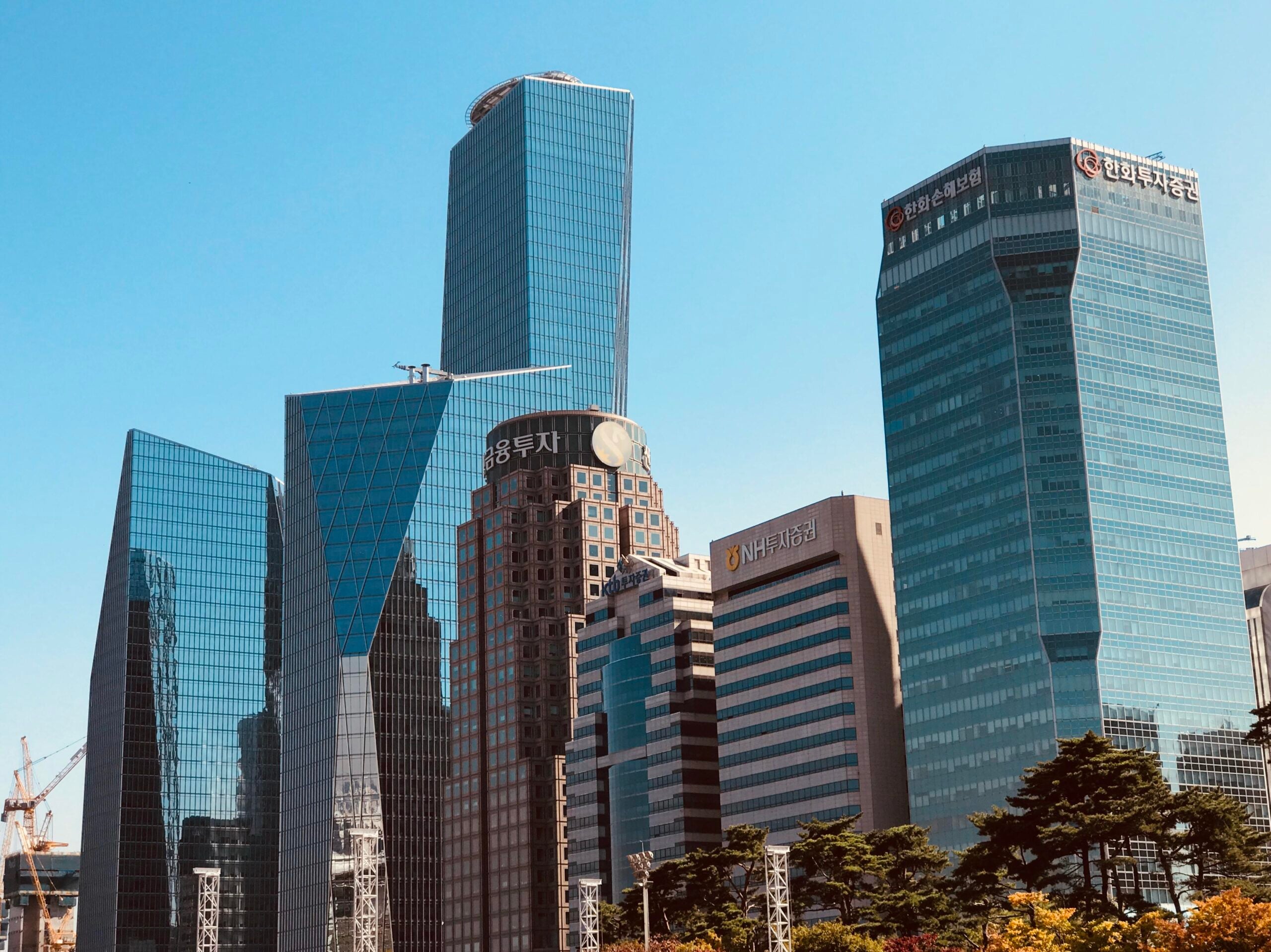
Currency traders used the quiet to test Tokyo, whose markets are shut from 21 to 23 September. The yen traded near 157.2 to 157.4 to the dollar on Monday, from about 156.87 at Friday’s New York close, after officials made a “rate check”, asking banks where they would trade.
Markets read a rate check as a warning that the government may buy yen. “The rate check should help to dampen market expectations for how much the yen will be allowed to weaken in the near-term”, said Lee Hardman of MUFG, a Japanese bank, Reuters reported.
Pakistan Strikes Outward And Seals Its Capital
Pakistan answered grief with force abroad and control at home. Pakistani fighter jets on Monday struck sites in eastern Afghanistan that Pakistani officials described as militant hideouts, the Associated Press reported.
Hamdullah Fitrat, deputy spokesman of Afghanistan’s Taliban government, said the strikes hit Nurgal district in Kunar province and Barmal district in Paktika. Pakistan’s information ministry said “calibrated” air strikes and ground operations killed 37 militants, the Express Tribune, a Pakistani daily, reported.
The strikes followed a bombing at a mosque in the police lines of Kohat, in the north-western province of Khyber Pakhtunkhwa, during Friday prayers. It killed 23 people, 15 of them police, the Express Tribune reported.
The sources differ on who was behind it. The Express Tribune reported a claim by a group led by the Afghanistan-based militant Hafiz Gul Bahadur. The Associated Press said no group had claimed the Kohat attack by the time of Monday’s strikes.
The ministry said ground operations in Kohat and Hangu on 20 September killed nine militants and the air strikes 28. “Maximum precautions were taken, and it was ensured that no collateral damage occurred”, it said.
Kabul tells a different story. Mr Fitrat said a strike on a home killed three members of one family and wounded four other relatives, the Associated Press reported.
UNAMA, the United Nations mission in Afghanistan, confirmed that “at least three civilians, including a man, a woman and a girl, were killed and four injured”. The Taliban government’s spokesman, Zabihullah Mujahid, condemned the strikes and wrote that “the Afghans will give a fitting response”.
Afghanistan’s foreign ministry summoned Pakistan’s chargé d’affaires in Kabul and lodged a formal protest, the AP reported. China, a close ally of Pakistan, said through its foreign ministry that it “strongly condemns this attack”, meaning the bombing in Kohat.
At home the government chose containment. More than 22,000 security personnel will be deployed in Islamabad and 30 entry points will be blocked, and police leave in neighbouring Rawalpindi is banned until 1 October, Dawn, a leading English-language daily, reported.
The target is a march on 27 September by Pakistan Tehreek-e-Insaf (PTI), the party of the jailed former prime minister Imran Khan, to demand his release. “This time we will find a permanent solution”, the interior minister, Mohsin Naqvi, told reporters, Geo News, a Pakistani television channel, reported.
He said the country would not again be “closed for 10 or 20 days”. A court order against blocking roads into the capital “will be implemented in letter and spirit”, he said, referring to the Islamabad High Court.
The party answered in kind. “We will turn Islamabad into Somnath”, Junaid Akbar, PTI’s leader in Khyber Pakhtunkhwa, told a gathering in Peshawar, naming a Hindu temple in India sacked in the 11th century.
He also offered a softer line. “We do not want the state to weaken. We do not want hatred to increase”, he said, the Express Tribune reported.
The state has moved against Mr Khan’s family. His sisters Uzma Khan and Noreen Niazi were detained for 30 days on Monday under a 1960 public-order law, after officials ordered the detention of their sister Aleema Khan on Sunday, Dawn reported.
“This is a disgrace”, said Mr Khan’s son, Kasim Khan. The finance minister, Muhammad Aurangzeb, warned that sit-ins, marches and road closures could cost the economy an estimated Rs120 billion (about US$433 million) a day, which he called “self-inflicted pain”.
Even the government’s own arithmetic points towards talking. Mr Aurangzeb called for dialogue to resolve political issues and said the burden would fall on ordinary people, small traders and shopkeepers, Dawn reported.
Dhaka’s Opposition Edges From Eight Demands To One
Bangladesh’s opposition is raising its terms. An 11-party alliance led by Jamaat-e-Islami, the largest Islamist party, marched from Dhaka to Rangpur, in the north, on Saturday, the Daily Star, a Bangladeshi daily, reported.
Its leader carried eight demands and warned they could shrink to one. In Bangladesh a “one-point demand” has come to mean a call for the government to step down, as it did in the uprising of 2024.
The list has grown on the road, from six demands on the march to Chattogram on 5 September, Prothom Alo, a Bengali-language daily, reported. The eight now start with carrying out the result of February’s referendum on political reforms.
That referendum, held alongside the election, passed with 68 per cent of the vote. The other demands run from fuel and fertiliser shortages to the price of essentials and the Teesta Master Plan, a river project in the north.
Nahid Islam, convener of the National Citizen Party, founded by leaders of the 2024 uprising, went further at the same rally. Prime Minister Tarique Rahman “must decide whether he will flee the country by helicopter or resign with dignity”, he said, Prothom Alo reported.
The helicopter recalls the flight of Sheikh Hasina, the prime minister ousted in 2024. Mr Rahman’s Bangladesh Nationalist Party has governed since the election of February, and the opposition now speaks of its exit.
Dissent is also coming from inside the government’s own camp, the Daily Star reported. At Chattogram, the main port, unions loyal to the governing party set a two-day ultimatum on 19 September against leasing the largest terminal to DP World, a Dubai port operator.
The New Mooring Container Terminal handles nearly half of the port’s container volume, the Maritime Executive, a shipping magazine, reported. The unions say it earned 45 billion taka (about US$367 million) in revenue and 25 billion taka (about US$204 million) in net profit in 2025-26.
They plan a human chain on 22 September from 3 to 4 p.m. local time and a procession on 27 September. Ibrahim Khokan, a union leader, argued that leasing the terminal to a foreign operator would expose the country to long-term economic and security risks, the Daily Star reported.
The prime minister left for New York early on Monday. Mr Rahman addresses the United Nations General Assembly on 24 September and has meetings planned with leaders including those of Pakistan and Thailand, the Daily Star reported.
What steadies Dhaka is that the protest is scheduled rather than spontaneous. The alliance announced its programme of long marches on 6 August, the Daily Star reported, and the port unions have named 5 October for a sit-in, the Maritime Executive reported.
The two Dhaka papers differ on what comes next. Prothom Alo reported marches to Khulna on 31 October and Sylhet on 21 November. The Daily Star gave Khulna on 10 October, Sylhet by train on 24 October and a Dhaka rally on 14 November.
Colombo And Kathmandu Quarrel Over Their Constitutions
Sri Lanka’s opposition is readying the streets against a two-thirds majority. The government’s 22nd Amendment would raise the retirement age of Supreme Court judges from 65 to 67 and of Court of Appeal judges from 63 to 65, the Sunday Times, a Colombo weekly, reported.
It would also enlarge the Court of Appeal from 19 to 24 judges. Parliament’s own description of a companion bill speaks of helping to “clear court backlogs”, Sri Lanka Mirror, a Colombo news site, reported.
The Supreme Court sent its ruling on the amendment to the Speaker on Friday, and he is to make it public on Tuesday, the Sunday Times reported. Debate begins on 24 September, when the opposition plans a mass protest at Polduwa Junction near Parliament.
“The government may have 159 seats, but this amendment must be defeated through the strength of the people”, said Sajith Premadasa on Sunday, Newswire, a Sri Lankan news site, reported. He leads Samagi Jana Balawegaya, the main opposition party, and a government source answered in the Sunday Times that “the age where powerful political dynasties ruled this country’s direction is over”.
Nepal’s argument is over how much of its charter to rewrite. A government task force has proposed amending 245 of the constitution’s 308 articles, nearly 80 per cent, the Kathmandu Post reported.
Bhishmaraj Angdembe leads in parliament the Nepali Congress, one of the country’s oldest parties and now in opposition. “The task force created under the guise of preparing a discussion paper has produced recommendations that attack the core essence and democratic foundation of the constitution”, he said.
Its coordinator, Asim Shah, said the paper was meant as “reference material for a future constitutional drafting commission”. The report itself has not been published, the Post noted.
What steadies both arguments is that they run through parliaments and courts. Amendments in Nepal need two-thirds of both houses, and the governing party holds close to two-thirds of the lower house but no seats in the upper, the Post noted.
What This Means From Latin America
Latin America has a stake in the bargain Asia fears. China’s pledge to buy US$17 billion a year more in American farm goods, which Reuters described as unresolved since May, would compete with Brazilian and Argentine soya and maize.
The firmer yuan cuts the other way. A currency near 6.6954 to the dollar gives Chinese buyers a little more purchasing power for dollar-priced food, ore and oil, though the gain is small and managed from Beijing.
Seoul’s boom has a Latin American stop. President Lee visits Mexico from 23 September, the first state visit by a South Korean president in 16 years, SBS reported, with a business forum in Mexico City on 25 September.
Oil moved on the region’s wars rather than its markets. November Brent settled at US$103.87 a barrel on Friday and opened near US$104.75 on Monday, after Iran-backed Houthi forces from Yemen attacked Riyadh. The same weekend they struck a site at Yanbu, a Saudi Red Sea port, run by Aramco, the Saudi state oil company.
It was trading near US$100.84 at 13.48 UTC, after Mr Trump said he would “probably” be open to meeting Iran’s President Masoud Pezeshkian at the United Nations, Reuters reported. Brent is the benchmark most Latin American producers price against, while Japanese and Korean refiners buy Gulf crude shipped through or around the Strait of Hormuz.
Japan’s rate rise reaches the region through money rather than trade. Brazil’s Selic rate (the country’s benchmark interest rate) stands at 13.75 per cent, and each Japanese rise makes money borrowed cheaply in yen dearer to hold in such markets.
What We Are Watching
- Takaichi meets Trump in New York — 22 September, New York time. Two days before the summit with Xi, with Taiwan and rare earths on Tokyo’s mind, on the Sankei Shimbun’s account.
- Lee Jae-myung at the United Nations — Afternoon of 22 September, New York time. He “will seek to hold meetings” with Mr Trump, then begins a state visit to Mexico on 23 September.
- Seoul’s first US investment project — 22 September, 9.30 a.m. Seoul time. A closed-door briefing to a parliamentary committee on the first project under the US$350 billion pledge.
- Chattogram port workers’ human chain — 22 September, 3 to 4 p.m. local time, after the unions’ two-day ultimatum of 19 September on the terminal lease to DP World.
- Sri Lanka’s court ruling made public — Tuesday 22 September, by the Speaker, before debate on the 22nd Amendment begins on 24 September.
- Xi Jinping’s state visit to Washington — 23 to 25 September, with a summit and a state dinner at the White House on Thursday 24 September.
- Tokyo reopens as the new rate applies — 24 September. The Bank of Japan’s 1.25 per cent rate takes effect as Tokyo’s markets reopen after three days shut.
- Korean markets close for Chuseok — From 24 September, for the autumn harvest holiday, with the summit’s outcome absorbed after the break.
- Sri Lanka’s opposition protest at Parliament — 24 September at Polduwa Junction, with a vote expected on the evening of 25 September, the Sunday Times reported.
- Pakistan Tehreek-e-Insaf’s march on Islamabad — 27 September, against more than 22,000 security personnel to be deployed in the capital.
- Chattogram sit-in at port headquarters — 5 October, a day-long protest by port workers and trade groups, the Maritime Executive reported.
The Bigger Picture
Tokyo and Seoul are waiting on a decision they do not control. Ms Takaichi is flying to New York to be heard before Mr Xi is, and Seoul will price Thursday’s summit only after Chuseok.
The region sits across a spectrum, steadier in some places than others. Korea’s chip exports hit a record and stocks rose from Hong Kong to Mumbai. The Sensex, Mumbai’s main stock index, gained 0.76 per cent after six weekly declines, HDFC Sky, an Indian trading platform, reported.
The strain is heavier to the south and west. Kohat buried 23 people, strikes inside Afghanistan killed three civilians on the United Nations’ count, and Bangladesh’s opposition is edging from eight demands to one.
This week asks a reader to watch rather than act. Thursday in Washington will show how much of Asia’s unease was warranted, and how much of Beijing’s calm was earned.
Sources: Sankei Shimbun on Prime Minister Takaichi’s trip and aims, and KSB, carrying TV Asahi’s ANN network, on the Taiwan question and her United Nations speech. Also the Seoul Economic Daily on the Takaichi and Trump meeting, the Kospi and the Chuseok closure, and The News on the Taiwan remark. Also CBS News on the New York talks, and Click2Houston, carrying the Associated Press, on Mr Bessent’s words. Also The Spokesman-Review, Investing.com, NewsBreak and Global Banking & Finance Review, carrying Reuters, on the talks, loan rates, the yuan and the yen. Also Xinhua on the loan rates and the talks, the Express Tribune on Xi Jinping’s visit, the Pakistani strikes and PTI, and the 21st Century Business Herald on Shanghai turnover. Also the Huron Daily Tribune, carrying the Associated Press, on the strikes in Afghanistan, Kabul’s response and UNAMA’s toll. Also Hankook Ilbo, Korea JoongAng Daily, OhmyNews and Herald Business on South Korean politics, exports and markets. Also Dailian on exports, and the Korea Herald, the Korea Times and SBS on the investment pledge and Mr Lee’s trip. Also Daily Maverick, carrying Reuters, on the chief of staff. Also Business Standard, carrying ANI, The Jakarta Post, carrying Agence France-Presse, and the South China Morning Post on Typhoon Dujuan and the Asian Games, and FXStreet on the yen. Also Geo News, Dawn and The Nation on Pakistan, and The Daily Star, Prothom Alo, The Business Standard and the Maritime Executive on Bangladesh. Also Wikipedia on the referendum result. Also the Sunday Times, Newswire and Sri Lanka Mirror on Sri Lanka, the Kathmandu Post on Nepal, and HDFC Sky on Mumbai. Primary sources: the transcript of China’s foreign ministry news conference of 21 September 2026, and the loan prime rates published through Xinhua from the National Interbank Funding Center. Also the Korea Customs Service export figures for 1 to 20 September 2026, as reported. Market figures are the house figures of 21 September 2026, and Monday oil prices are readings, not settlements. Reporting from 18 to 21 September 2026. Currency conversions use the house table of 21 September and are approximate.
Frequently Asked Questions
Why is Japan’s prime minister meeting Donald Trump before Xi Jinping does?
Because Tokyo fears a United States and China bargain struck over its head. Sanae Takaichi meets Mr Trump in New York on 22 September, two days before his summit with Mr Xi on 24 September. The Sankei Shimbun wrote that her aim is to make sure he “does not lean towards conciliation with China”. TV Asahi’s ANN network said she wants him not to give ground on Taiwan. China restricts exports of goods with military uses to Japan, and on 21 September its foreign ministry called an American missile system on Kyushu a sign of Japan’s “accelerated remilitarization”.
What came out of the talks between the United States and China in New York?
Mostly tone and one new idea. Scott Bessent called Sunday’s talks with Vice-Premier He Lifeng “a very successful engagement”, the Associated Press reported, and Xinhua described them as “candid, in-depth, constructive”. The American side proposed a way to notify each other of incidents involving artificial intelligence, Reuters reported. The Americans gave no update on Chinese pledges to buy US$17 billion a year more in farm goods and more than 200 Boeing aircraft, which Reuters described as unresolved since May. Mr Xi’s state visit runs from 23 to 25 September.
Why did South Korea’s presidential chief of staff offer to resign?
To take “overall responsibility” for a slide in the president’s support, a presidential official said. Kang Hoon-sik offered to resign on 21 September, after President Lee Jae-myung said on 18 September that “the people are always right” and blamed his own shortcomings. Realmeter put Mr Lee’s approval at 34.8 per cent, its first rise in 10 weeks, though within the margin of error. Reuters linked the slide partly to two withdrawn ministerial nominations. Mr Lee had not decided whether to accept the resignation, Reuters reported.
What does this week change for someone living in Latin America?
Three things, in plain terms. First, any Chinese pledge to buy more American farm goods would compete with Latin American soya and maize in the same market. Second, November Brent settled at US$103.87 a barrel on 18 September and was trading near US$100.84 on 21 September, the benchmark most Latin American producers price against. Third, South Korea’s president visits Mexico from 23 September, the first state visit by a South Korean president in 16 years, SBS reported. The week asks a reader to watch rather than to move money.
This article was produced by The Rio Times’ automated newsroom system. How we use AI · Report an error
LatAm Markets: Live Signals → — real-time movers, turnover leaders and FX across Latin America.