A Senegalese Billionaire Takes His Bank Public in Abidjan
IVORY COAST · MARKETS
Key Facts
—The offer: Bridge Bank is selling 10 million shares at 6,750 CFA francs ($12) each — 20 percent of the bank, worth about $118 million.
—The window: Subscriptions run from July 20 to August 21, with an early close possible if fully taken up; regulators approved the deal at the end of June.
—The seller: Bridge Group West Africa, the holding controlled by Senegalese billionaire Yerim Sow’s Teyliom Group, drops from 77 to 57 percent.
—The anchor: Côte d’Ivoire’s state social security fund, the CNPS, keeps its 20 percent stake.
—The form: First-quarter net banking income rose 23 percent to 16 billion CFA francs, with net profit up 48 percent to 8 billion.
The Bridge Bank IPO is on: Senegalese billionaire Yerim Sow’s Abidjan-based lender opens a $118 million share sale on July 20, offering 20 percent of the bank ahead of a listing on West Africa’s regional BRVM exchange.
Inside the Bridge Bank IPO
The bank will sell 10 million shares at 6,750 CFA francs apiece, about $12, valuing the offer at roughly $118 million. The subscription window runs from July 20 to August 21 and can close early if demand fills it.
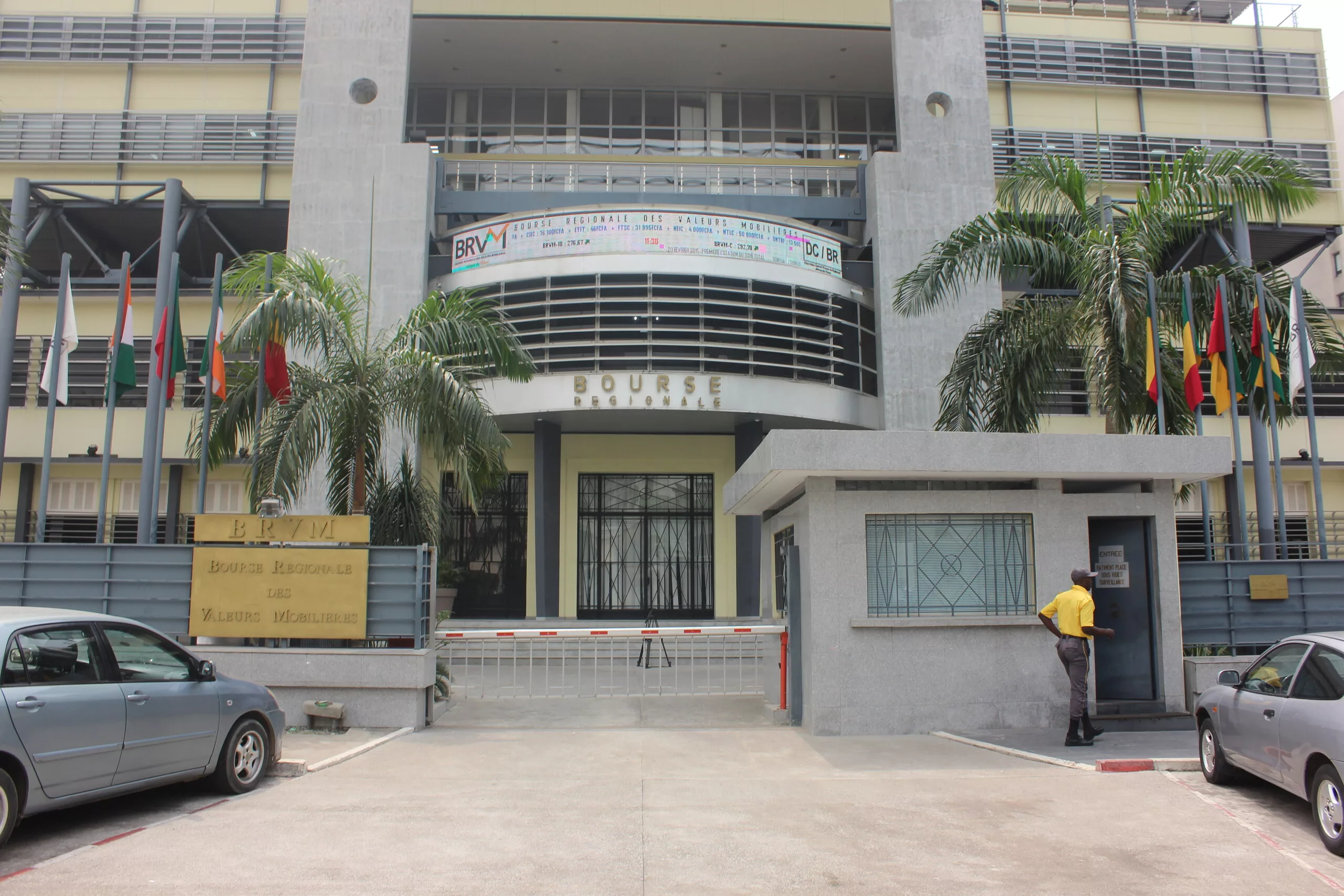
The West African Economic and Monetary Union’s market regulator, AMF-UMOA, cleared the operation at the end of June. Listing follows on the BRVM, the eight-country French-speaking bourse headquartered in Abidjan.
Fully subscribed, the sale implies a value of roughly $590 million for the whole bank. Retail savers across the monetary union can subscribe through local brokers, alongside institutions.
The pricing keeps the door deliberately wide. A single share costs about what a restaurant meal runs in Abidjan, an entry ticket ordinary savers can actually buy.
Who is selling, and who stays
The shares come from Bridge Group West Africa, the financial holding controlled by Yerim Sow’s Teyliom Group, whose stake falls from 77 to 57 percent. Côte d’Ivoire’s state social security fund, the CNPS, keeps its 20 percent, with smaller holders at 3 percent.
Sow is one of Senegal’s wealthiest businessmen, with interests spanning banking, hotels, real estate and telecom infrastructure. Bridge Bank, founded in Abidjan two decades ago, is the group’s financial flagship.
The anchor shareholder is staying put. Côte d’Ivoire’s state pension fund has sat on the register for years and is not selling, a vote of confidence retail buyers will notice.
Sow keeps control at 57 percent, so buyers join his table rather than replace him. The float is about a public valuation and currency for growth, not an exit.
A bank arriving in form
The lender is going public on strong numbers. Net banking income reached 16 billion CFA francs, about $28 million, in the first quarter of 2026 — up 23 percent year on year.
Those growth rates outpace most of the region’s listed lenders. Franc-zone banking earns steady margins on government paper and on corporate demand that remains deeply under-served.
Bridge focuses on corporates and small businesses rather than mass retail. In that segment, speed of decision is a competitive weapon, and smaller banks can outrun bigger ones.
Net profit jumped 48 percent to 8 billion CFA francs. Growth of that pace gives the offer its investment case, per African Markets’ note on the listing.
The BRVM’s moment
The timing is no accident. The BRVM is in the middle of a broad rally — only a handful of its listed stocks are down this year — and fresh paper is finally arriving to meet the demand.
Equity trading has dwarfed the bond board this year, with shares changing hands at roughly forty times the pace of bonds in the first half, per Ecofin data. That appetite is exactly what new listings are queuing to feed.
The revival is continental. Angola is listing Unitel, Ghana’s bourse has an IPO wave and Nairobi ended its listings drought, as The Rio Times has reported basin by basin.
A high-growth bank IPO gives the region’s savers and institutions something they rarely get: a new blue-chip candidate in their own currency. It also tests how deep the franc-zone investor pool has become.
Why it matters
West Africa’s French-speaking bloc has long punched below its weight in capital markets, with family and state ownership keeping companies off the exchange. Every successful listing chips at that habit.
Pension funds across the union need local assets that match local liabilities. Every credible IPO widens their menu beyond sovereign bonds.
A new financial heavyweight also deepens the exchange itself. Banks anchor most African bourses, and the BRVM’s core is where the region’s savings meet its enterprises.
The macro backdrop helps the pitch. Ivory Coast grows 6 to 7 percent a year and drew record donor pledges for its development plan this week.
For foreign investors, the Bridge Bank sale is a signal as much as an opportunity. When billionaires start selling stakes to the public at home rather than to private buyers abroad, it means they trust their own market’s prices.
Frequently Asked Questions
What are the terms of the Bridge Bank IPO?
The bank is selling 10 million shares at 6,750 CFA francs ($12) each — 20 percent of its capital, worth about $118 million. Subscriptions run July 20 to August 21, 2026.
Who owns Bridge Bank after the listing?
Bridge Group West Africa, controlled by Yerim Sow’s Teyliom Group, falls from 77 to 57 percent. Côte d’Ivoire’s CNPS social security fund keeps 20 percent, and minorities hold the rest.
How is Bridge Bank performing?
First-quarter 2026 net banking income rose 23 percent to 16 billion CFA francs, and net profit jumped 48 percent to 8 billion CFA francs.
What is the BRVM?
The Bourse Régionale des Valeurs Mobilières is the shared stock exchange of eight French-speaking West African countries, headquartered in Abidjan. It is enjoying a broad rally in 2026.
Connected Coverage
The regional exchange keeps supplying stories: a loss-making sugar producer is the BRVM’s best stock of 2026, Africa’s bourses are linking into a single trading market, and Ivory Coast just drew $80 billion in pledges for its development plan.
This article was produced by The Rio Times’ automated newsroom system. How we use AI · Report an error · Editorial responsibility: Matthias Camenzind, Editor-in-Chief
LatAm Markets: Live Signals → — real-time movers, turnover leaders and FX across Latin America.