Brazilian Inflation Trends: Food Prices Rebound as Services Slow Down
The Brazilian economy experienced notable shifts in inflation patterns during September 2024. The Broad Consumer Price Index (IPCA) rose by 0.44%, with food and beverages contributing significantly to this increase.
This sector saw a 0.50% price hike, reversing two consecutive months of decline. Food prices at home climbed by 0.56% after falling for two months straight.
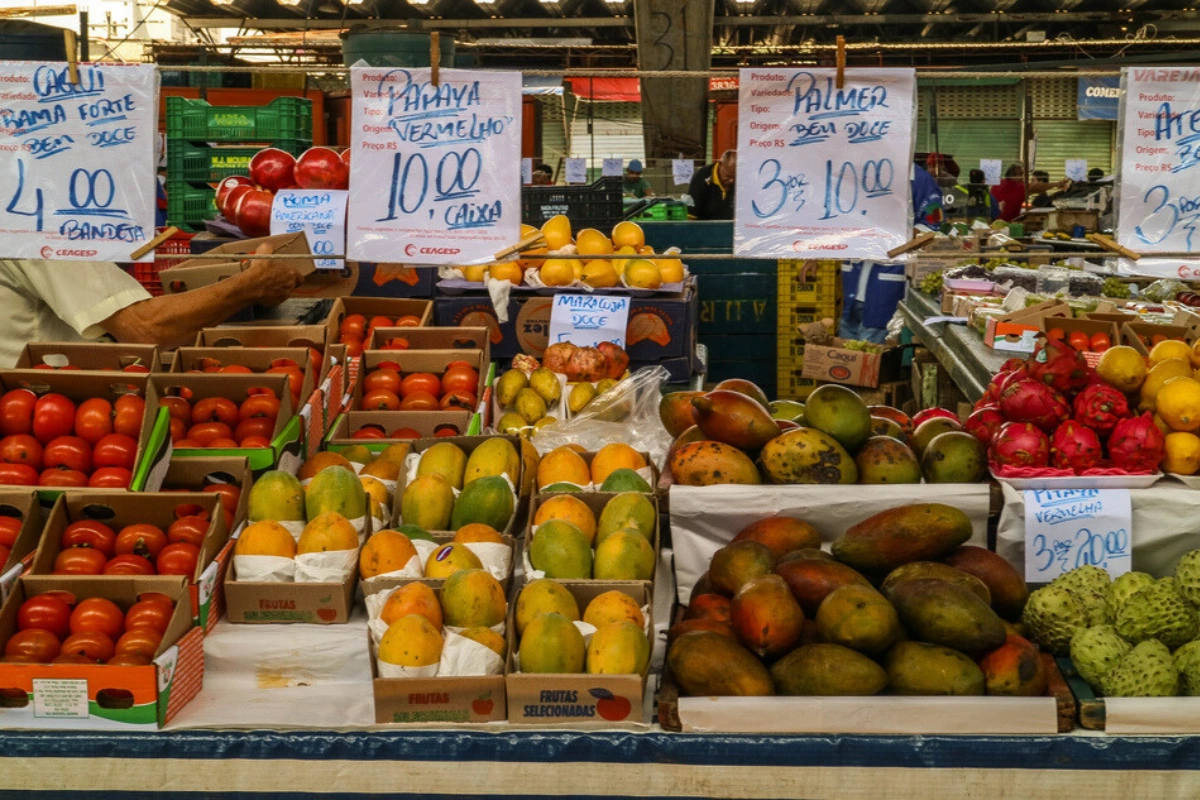
Certain fruits saw substantial increases, with papaya prices jumping 10.34% and pear oranges rising 10.02%. Ground coffee and Sirloin steak also became more expensive, increasing by 4.02% and 3.79%, respectively.
However, some food items became cheaper. Onions saw a significant price drop of 16.95%, while tomatoes and potatoes decreased by 6.58% and 6.56%, respectively.
Dining out costs rose slightly by 0.34%, with meal prices slowing down but snack prices accelerating. The National Consumer Price Index (INPC), which tracks price changes for lower-income families, accelerated to 0.48% in September.
This brought the 12-month accumulated inflation rate to 4.09%. Regional variations were observed, with Goiânia experiencing the highest increase due to rising gasoline and electricity prices.
Brazil’s Economic Landscape
Meat prices surged by 2.97% in September, marking the largest increase since December 2020. This rise was attributed to dry weather conditions and wildfires affecting pasture quality.
Various meat types saw price hikes, with sirloin, rump steak, and filet mignon increasing by 3.79%, 3.02%, and 2.47% respectively. In contrast, service inflation slowed down from 0.24% in August to 0.15% in September.
This deceleration was primarily due to an 8.75% drop in prices for cinema, theater, and concert tickets. The 12-month accumulated service inflation rate fell to 4.82%, the lowest since June.
These diverse trends paint a complex picture of Brazil’s economic landscape. While food and meat prices are on the rise, service inflation is showing signs of moderation.
In short, these developments will likely influence consumer behavior and economic policies in the coming months.
More: Brazil news in English, every day from The Rio Times.
This article was produced by The Rio Times’ automated newsroom system. How we use AI · Report an error · Editorial responsibility: Matthias Camenzind, Editor-in-Chief
LatAm Markets: Live Signals → — real-time movers, turnover leaders and FX across Latin America.