Brazilian Air Force Seeks Modern Replacement for Iconic Bandeirante Aircraft
The Brazilian Air Force has initiated a search for a successor to its long-serving Embraer EMB-110 Bandeirante aircraft. This move marks a significant shift in the country’s military aviation landscape.
The Air Force recently issued a Request for Information (RFI) to aerospace manufacturers worldwide, aiming to gather data for a feasibility study.
The Bandeirante has been a cornerstone of Brazilian military aviation for over five decades. It first flew in 1968 and entered service with the Air Force in 1973.
Embraer manufactured 498 Bandeirantes, with 245 exported to various countries. The Brazilian Air Force received 134 aircraft in different configurations.
These versatile planes have served in roles from transport to maritime patrol. Recently, the Air Force modernized 51 Bandeirantes to the C-95M standard, extending their operational life.
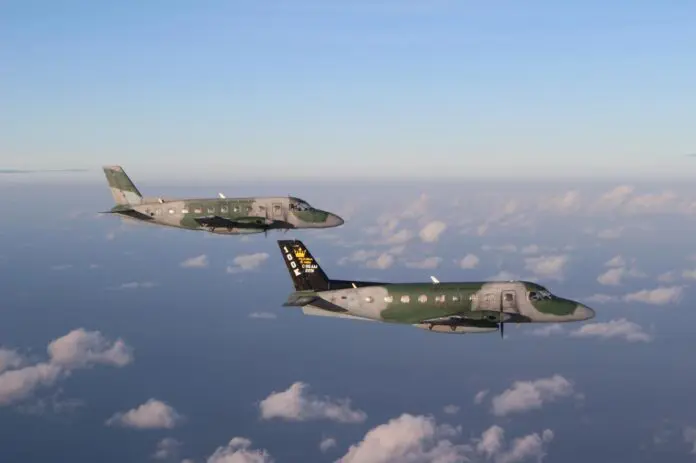
However, the time has come to look towards the future. The Air Force has outlined specific requirements for the Bandeirante’s replacement.
Modernizing Aviation for Future Missions
The new aircraft must excel in passenger and cargo transport missions for decades. It should operate effectively in the challenging Amazon region, with its limited infrastructure and extreme weather.
Structurally, the Air Force desires a high-wing design with twin engines and a rear ramp or wide cargo door. Two potential candidates have emerged: the Cessna 408 SkyCourier and the Let L-410NG.
The selection process will be thorough. Once the feasibility study concludes, the Air Force General Staff will evaluate the results.
If they proceed, they will refine the technical, logistical, and industrial requirements before initiating a formal bidding process. This initiative has sparked a conversation about Brazil’s aerospace industry.
Some argue that the Air Force should prioritize domestic projects to boost the national aviation sector. The Bandeirante’s legacy extends beyond its military service.
It played a crucial role in establishing Embraer as a global aerospace company, leading to the development of other successful aircraft designs. As the Brazilian Air Force moves forward, it marks the end of an era for one of Brazil’s most iconic aircraft.
However, this transition also opens new possibilities for the future of Brazilian military aviation, reflecting the country’s commitment to modernizing its armed forces.
This article was produced by The Rio Times’ automated newsroom system. How we use AI · Report an error · Editorial responsibility: Matthias Camenzind, Editor-in-Chief
Read More from The Rio Times