
Health: Brazil
Key Facts
—Who. Brazil’s health regulator Anvisa approved the Vivaxin vaccine, developed by the CTVacinas centre at the Federal University of Minas Gerais (UFMG), the University of São Paulo (USP) and the laboratory Cristália.
—What. Permission for a Phase 1 trial in people. It will test safety and immune response of a vaccine against malaria caused by the Plasmodium vivax parasite.
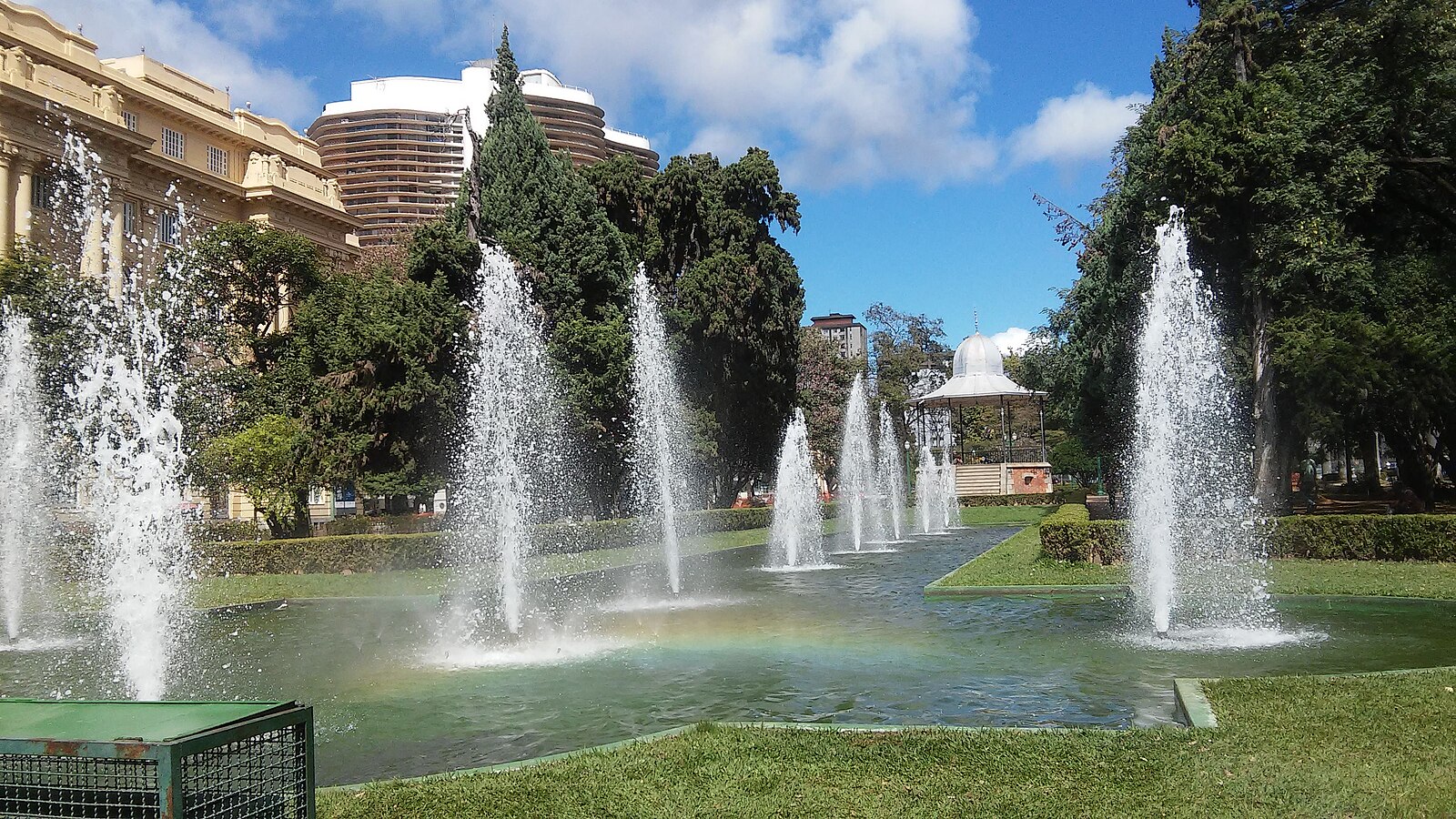
—Where. Hospital das Clínicas of UFMG in Belo Horizonte, the capital of Minas Gerais state.
—Numbers. 48 healthy adults aged 18 to 59, three doses 28 days apart, followed for 360 days.
—US link. No vaccine against vivax malaria exists for the public anywhere, according to the developers. The two vaccines the World Health Organization recommends target a different parasite, P. falciparum.
—Status. Early-stage human testing only. Nothing here shows yet that the vaccine protects people.
—As of. 8 October 2026, 00:00 GMT.
Brazil’s health regulator Anvisa has cleared the first human trial of Vivaxin, a vaccine against vivax malaria made by Brazilian universities and a Brazilian drug company. The approval was published on Wednesday 7 October 2026. If the vaccine works, it would fill a gap that global malaria programmes have not yet closed.
What We Know
Anvisa approved the clinical development dossier and the clinical research process in Resolution-RE No. 3,956 of 6 October 2026. The approval appeared in the federal official gazette on Wednesday 7 October, according to the CTVacinas centre at UFMG.
The trial will enrol 48 healthy volunteers aged 18 to 59 who have never had malaria. Participants will receive three doses 28 days apart and will be followed for 360 days.
The trial is double-blind, randomised and placebo-controlled, according to the developers. It will run at the clinical research centre of the Hospital das Clínicas of UFMG in Belo Horizonte.
The aim of Phase 1 is to check safety, reactions to the injection and the immune response. The results will guide the later phases needed to show whether the vaccine protects against the disease.
Why Vivax Malaria Needs Its Own Vaccine
Malaria is caused by several species of parasite spread by mosquitoes. The vaccines the World Health Organization recommends today, RTS,S and R21/Matrix-M, were designed against P. falciparum, the species that dominates in sub-Saharan Africa.
P. vivax caused about 63% of estimated malaria cases in the Americas in 2024, according to the WHO’s World Malaria Report, which is why a Brazilian vaccine matters here. The developers say no vaccine against it is available to the public anywhere in the world.
Vivaxin combines three variants of a parasite surface protein, called PvCSP, in a single molecule. The goal is to block the parasite before it reaches the liver, and in mice the formulation fully prevented infection in some of the animals, according to Brazilian research reports.
The Scale of the Problem in Brazil
Brazil recorded 118,037 malaria cases in 2025, and more than 99% of them were in the Amazon region, according to the CTVacinas centre. The disease keeps people from working, said Ricardo Gazzinelli, who coordinates CTVacinas, which is why he sees a large socioeconomic effect.
Public money backs the project. The funders include Brazil’s science ministry, its national science fund, the Finep innovation agency and the Ministry of Health.
What Is Not Known
None of the reports we reviewed gives a start date for recruiting volunteers. They also give no date for results or for a later trial that could test protection.
Mouse results do not predict how people will respond. Many vaccines that work in animals fail in humans, which is why Phase 1 is only the first step.
What It Means for Travelers and US Readers
Nothing changes for travellers soon, because the vaccine is years from any possible approval. Anyone heading to the Amazon should keep following medical advice on malaria prevention.
For US readers, the story is about where tropical-disease research is moving. A vaccine built in Brazil for a parasite that global vaccine makers have largely left alone could matter to health agencies and drug investors who follow malaria.
More: Brazil news in English, every day from The Rio Times.
Frequently Asked Questions
What did Anvisa approve?
Anvisa approved the clinical development dossier and research process for Vivaxin, allowing a Phase 1 trial in people. The approval is in Resolution-RE No. 3,956 of 6 October 2026.
What is vivax malaria?
It is malaria caused by the Plasmodium vivax parasite, spread by mosquitoes. It causes most malaria in the Americas, while the approved vaccines target another species, P. falciparum.
How will the trial work?
It will enrol 48 healthy adults aged 18 to 59 in Belo Horizonte. They will receive three doses 28 days apart and be followed for 360 days.
Is the vaccine available now?
No. Phase 1 only tests safety and immune response, and later trials must show protection before any approval for the public.
Sources
CTVacinas / UFMG · Estado de Minas · O Tempo · ClinicalTrials.gov NCT07172724
Connected Coverage
This article was produced by The Rio Times’ automated newsroom system. How we use AI · Report an error · Editorial responsibility: Matthias Camenzind, Editor-in-Chief