Brazil’s Senate Approves a Critical Minerals Bill Worth US$1.36 Billion
Brazil · POLITICS
Key Facts
- —What happened Brazil’s Senate approved the critical minerals bill, PL 2.780/2024, on Wednesday 2 September 2026.
- —How big The package offers up to 7 billion reais (about US$1.36 billion) in guarantees and tax breaks.
- —What it buys About 5 billion reais (about US$973 million) in tax credits reward refining ore inside Brazil.
- —The catch Those tax credits only begin in 2030, capped at 1 billion reais (US$195 million) a year.
- —Who decides now The bill goes to the president, whose signature is needed before any money can flow.
- —What else moved The Senate committee also cleared a separate public security amendment that day, covered in its own report.
The bill aims to keep mineral processing inside Brazil, turning raw ore into batteries, vehicles and defence parts.
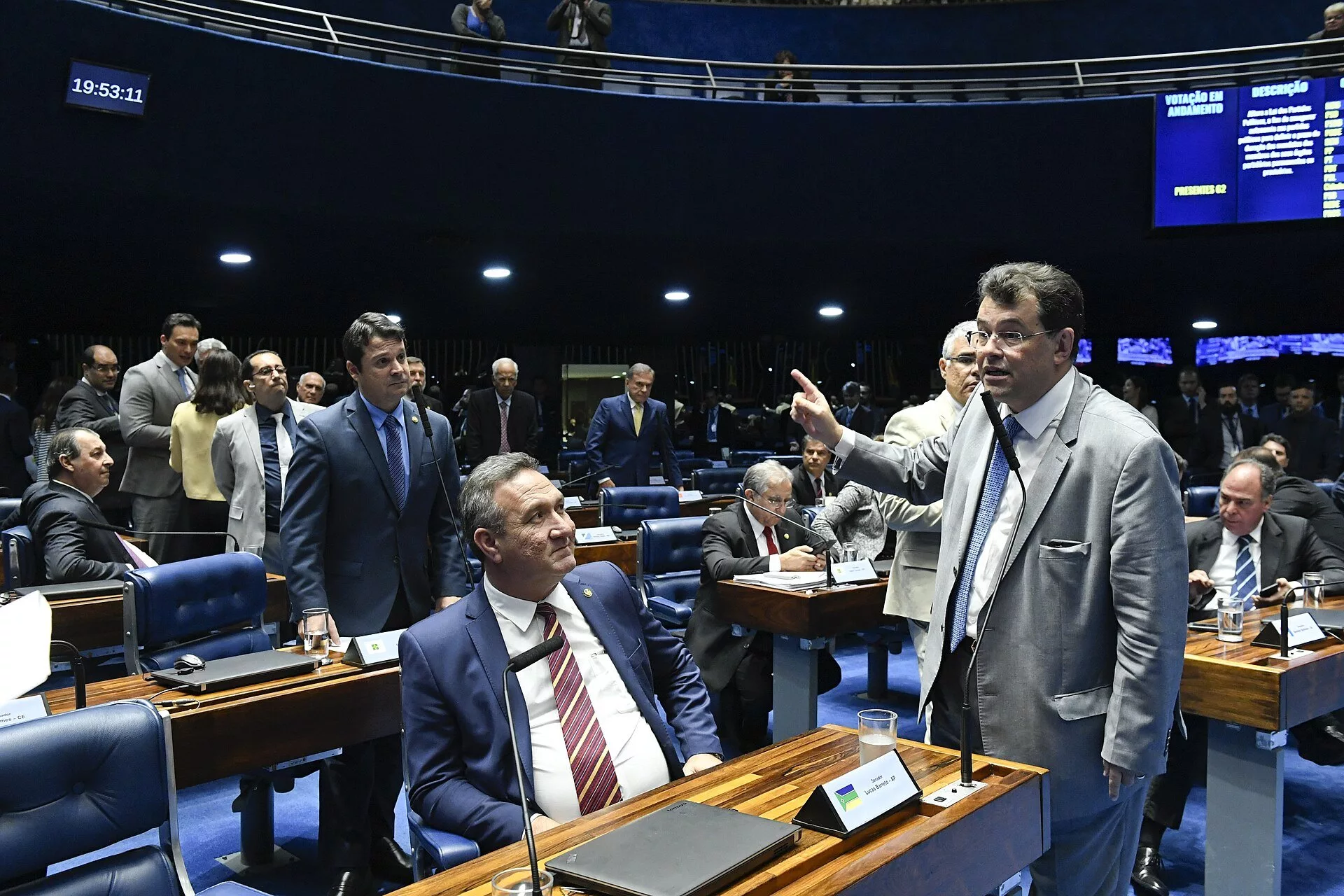
Brazil’s Senate has approved a critical minerals bill worth billions of reais. The plenary passed it on Wednesday 2 September 2026 in a symbolic vote.
The text is the critical minerals bill, PL 2.780/2024. Its goal is to keep the refining of key ores inside Brazil.
What the Critical Minerals Bill Offers
The package carries up to 7 billion reais in incentives. That is about US$1.36 billion.
All conversions in this article use 5.14 reais to the US dollar. That was the rate on 3 September 2026, from open.er-api.com.
About 2 billion reais, or roughly US$389 million, goes into a guarantee fund. The federal government puts up the money.
The fund is the FGAM, short for Fundo Garantidor da Atividade Mineral. In plain English, that is a mineral activity guarantee fund.
A guarantee fund does not hand out cash. It stands behind loans so that banks lend to mining projects more cheaply.
What the Tax Credits Target
The rest arrives as tax credits. They are worth about 5 billion reais, close to US$973 million, spread over five years.
The credits are capped at 1 billion reais a year, about US$195 million. They run from 2030 to 2034.
The money rewards processing, beneficiation and industrial transformation of minerals inside Brazil. Beneficiation is the step between mining and manufacturing.
It is where raw ore is concentrated and refined. The stated end uses are batteries, vehicles, smartphones and defence equipment.
Who Steered the Bill Through the Senate
The rapporteur was Senator Eduardo Braga of the MDB party, from Amazonas state. A rapporteur writes the report that guides colleagues before a vote.
Braga’s text set both the size and the timing of the incentives. The plenary then approved it without a nominal tally.
Why Onshore Processing Matters
Brazil ships out a great deal of raw ore. Refining it at home earns far more per tonne.
Lithium and rare earth metals are the clearest examples. Both feed batteries, electric motors and defence electronics.
The bill is a bet that tax relief can pull that work home. Whether it succeeds depends on how quickly investors move.
A Symbolic Vote Explained
The Senate vote was symbolic. That means the result was recorded without counting each senator’s vote.
Symbolic votes are used when there is no real dispute. The approval therefore signals broad cross-party support.
The Guarantee Fund Explained
About 2 billion reais (about US$389 million) of the package goes into a guarantee fund for mineral projects. The Union puts money into it.
A guarantee fund stands behind a loan if the borrower cannot pay. Lenders then charge less, because their risk is lower.
Mining and processing plants take years to build and cost a lot upfront. That is the gap the fund is meant to close.
Why the Credits Wait Until 2030
The tax credits do not start immediately. They begin in 2030 and are capped at 1 billion reais (about US$195 million) a year.
That delay matters for anyone weighing a plant in Brazil now. A company deciding this year would not see the benefit for four years.
It also spreads the cost to the treasury over time. The cap keeps the annual bill predictable.
Critical Minerals in the Global Context
Critical minerals are the ores that modern technology cannot do without. Governments everywhere are racing to secure supplies.
Most of the world’s refining capacity sits in a handful of countries. Brazil wants a share of that work.
What Happens Next
The critical minerals bill now goes to the president for sanction. Sanction is the presidential signature that turns a bill into law.
Once signed, the guarantee fund can begin its work. The tax credits are a much longer wait.
Brazil is betting its mineral wealth can support factories, not just exports. The next few years will show whether the money lands.
More: Brazil news in English, every day from The Rio Times.
Frequently Asked Questions
What is the critical minerals bill?
The bill is PL 2.780/2024, approved by Brazil’s Senate on 2 September 2026. It offers up to 7 billion reais (about US$1.36 billion) to support mineral processing inside Brazil.
What does ‘symbolic vote’ mean?
A symbolic vote records the result without counting individual votes. It is used when there is no real dispute among lawmakers.
When do the tax credits start?
The tax credits are worth about 5 billion reais (about US$973 million) over five years. They run from 2030 to 2034 and are capped at 1 billion reais (about US$195 million) a year.
What is beneficiation?
Beneficiation is the step between mining and manufacturing. It is where raw ore is concentrated and refined before it reaches a factory.
Connected Coverage
- The public security amendment approved the same day
- The Senate’s Redata approval
- The four-country minerals declaration
Sources: Agencia Senado; g1; Brazilian congressional press. Exchange rate: open.er-api.com, 3 September 2026.
This article was produced by The Rio Times’ automated newsroom system. How we use AI · Report an error · Editorial responsibility: Matthias Camenzind, Editor-in-Chief