Cargo Handling in Brazilian Ports Declines in First Semester 2019
RIO DE JANEIRO, BRAZIL – The volume of traffic in the Brazilian port sector fell by 3.29 percent in the first half of the year compared to the same period last year, when 513 million tons were handled, against 530.5 million tons during the same period in 2018. The balance with the sector figures was presented yesterday, September 26th, by the National Agency of Water Transport (ANTAQ).
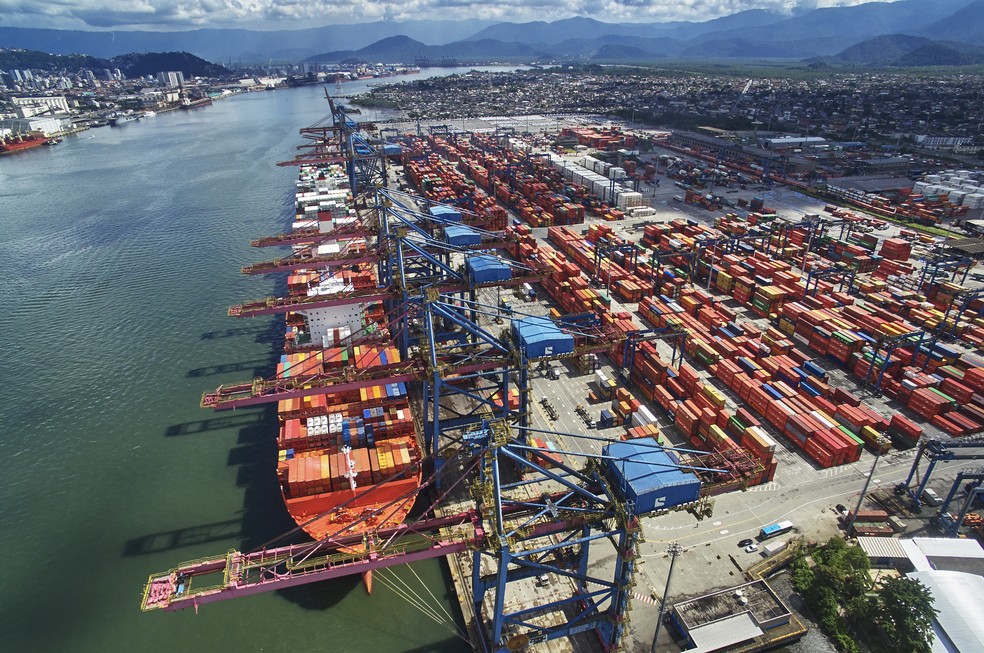
In the first semester of 2019, private use terminals accounted for the handling of 337 million tons, recording a drop of 4.04 percent. Publicly-owned ports handled 176 million tons, a decrease of 1.83 percent.
According to ANTAQ, of the nine main port facilities in the country, eight showed a downturn in cargo handling in the first half of the year, when compared to the same period in 2018.
In private use terminals, the largest drop was in the Port of Ilha Guaíba (Santa Catarina), with a decrease of 37.83 percent; followed by the Port of Tubarão (Espírito Santo), with a decrease of 25.48 percent; after that, the terminal of Ponta da Madeira (Maranhão), with a decrease of 7.06 percent; and São Sebastião (São Paulo), showing a slight decrease of 0.55 percent.
Among the publicly owned ports, the largest decrease in handling was recorded in the Port of Itaguaí (Rio de Janeiro), at 11.05 percent; followed by the Port of Paranaguá (Paraná), with a drop of 5.93 percent; then comes the terminal of Rio Grande (Rio Grande do Sul), with 3.93 percent; and Santos (São Paulo), with a drop of 3.36 percent. Only the Angra dos Reis Waterway Terminal (Rio de Janeiro) showed a positive variation of 11.40 percent.
The busiest loads in the first half of the year were solid bulk cargo, which totaled 314.6 million tons, representing a decrease of 6.80 percent compared to the first half of 2018. This was followed by liquid bulk at 115.9 million tons, which showed an increase of 2.58 percent in relation to the same period last year.
There was also an increase of 3.72 percent in container handling and 2.76 percent in general cargo over the same period last year. In the first half of 2019, handling was, respectively, 55 million and 27.3 million tons.
Goods
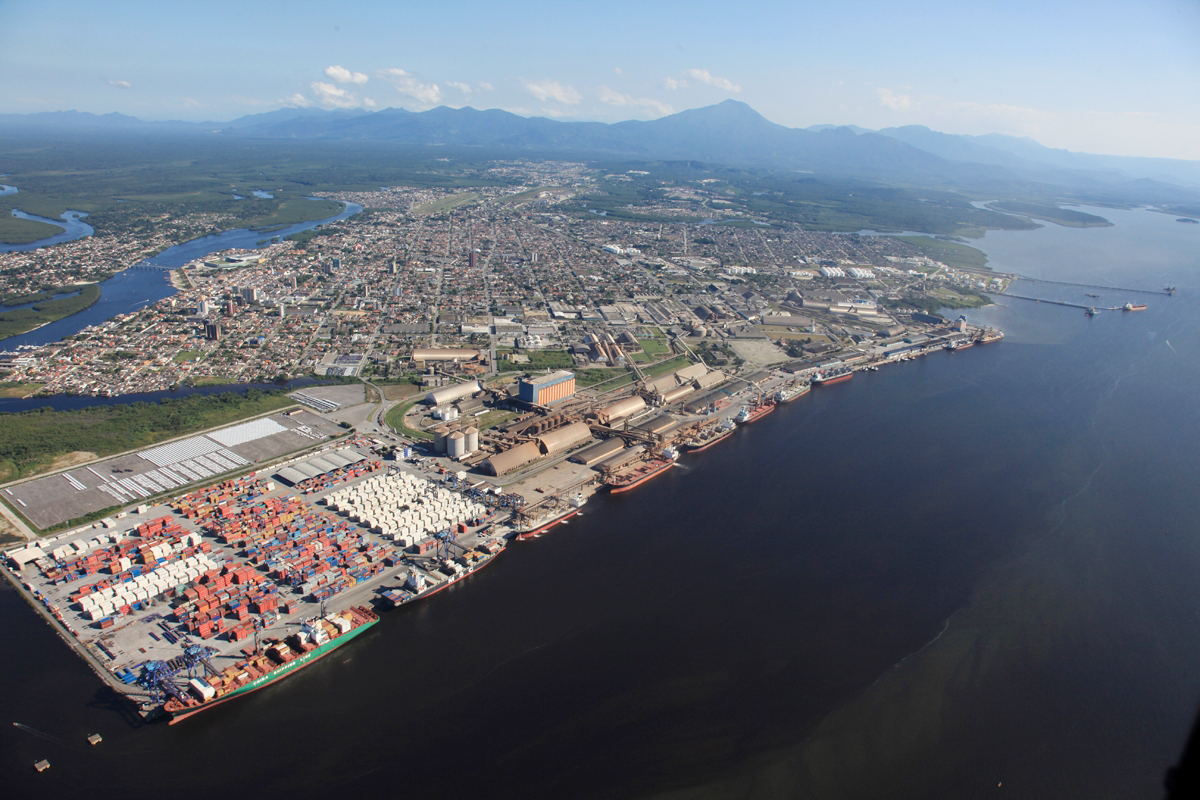
Among the busiest goods was corn. In the first six months of the year, the domestic port sector handled 9.2 million tons of corn, 116.53 percent more than the same period in 2018. Oil (fuels) also stands out with 102.8 million tons handled, an increase of 4.22 percent compared to the first half of last year.
The main declines were recorded in the handling of iron ore, which dropped by 8.90 percent, with 16.5 million tons less than in the first half of 2018, and soybeans with 5.3 million tons less than in the first half of last year, a reduction and 8.09 percent.
According to the agency, the result reflects the Brazilian economy’s poor performance and the retraction in the global economy. “The decrease in the activity in the first half of 2019 was directly driven by the drop in iron ore shipments, which is the merchandise with the highest gross weight handled. The solid bulk iron ore has been facing problems since the beginning of the production chain, due to the rupture of dams and an atypical period of intense rains in the northern region of the country”, said the substitute manager of Statistics and Performance Evaluation of ANTAQ, Leopoldo Kirchner.
Source: Agência Brasil
More: Brazil news in English, every day from The Rio Times.
Editorial responsibility: Matthias Camenzind, Editor-in-Chief · Editorial standards · Report an error