A Brazil Lithium Miner Beats a Court Order as Scrutiny Mounts
BRAZIL · ECONOMY
Key Facts
—The win. A Minas Gerais appeals court overturned a lower-court order against Sigma Lithium’s mine in southern Brazil.
—The threat lifted. The earlier ruling carried a possible $10m financial guarantee tied to waste-handling claims; that is now removed.
—The reaction. Sigma’s shares rose about 7%, having fallen roughly 15% when the original ruling landed in May.
—The stake. The company is pursuing a Phase 2 expansion to nearly double output, from 270,000 to 520,000 tonnes a year.
—The condition. The court asked Sigma to fund independent monitoring of its impact on two nearby towns, Araçuaí and Itinga.
—The backdrop. Lithium prices have crashed more than 80% from their peak, squeezing producers worldwide.
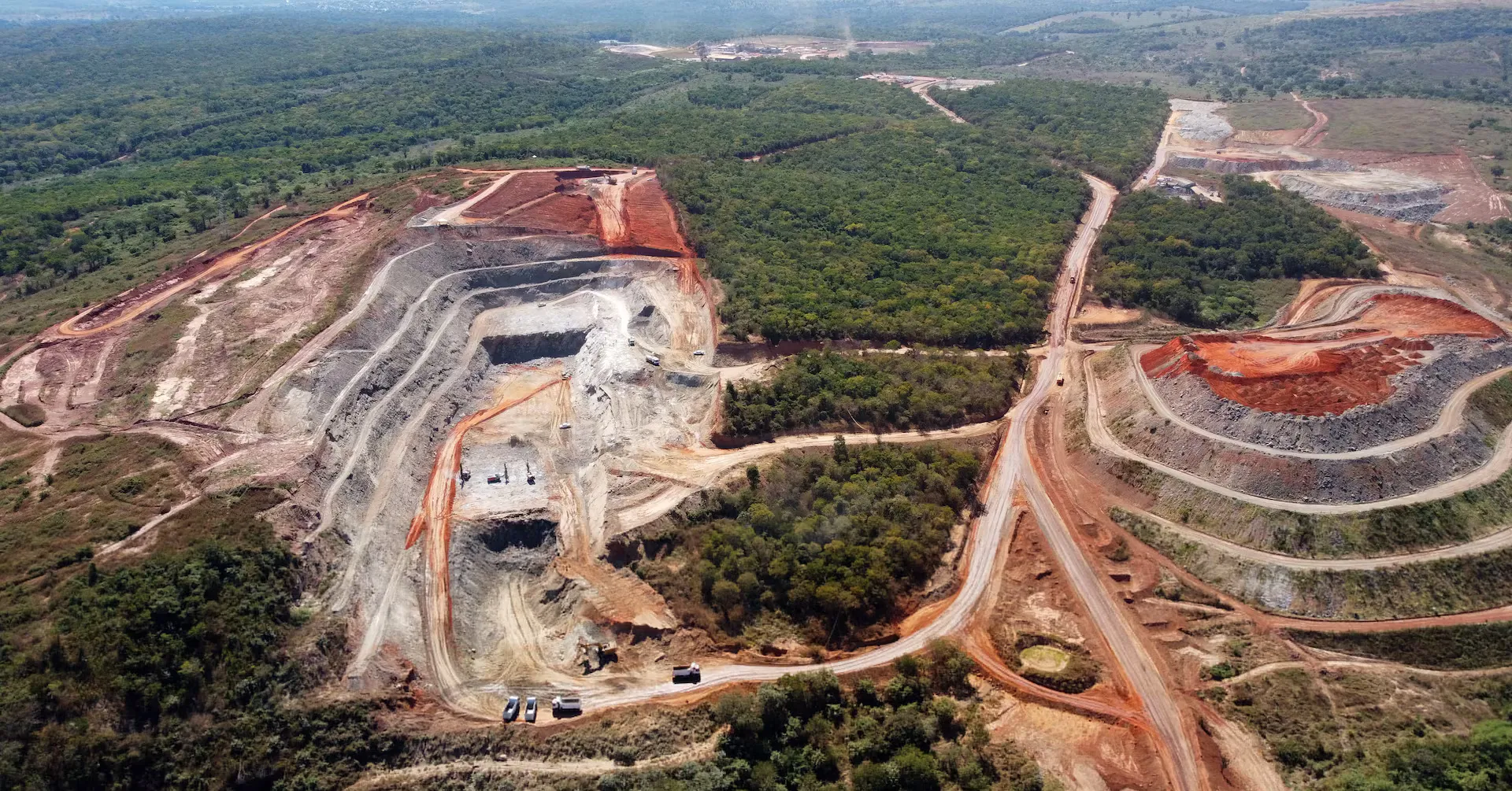
A Brazil lithium producer has won an important court fight, clearing a legal cloud over its big expansion, in a case that quietly captures the wider pressure now facing mining companies across Latin America.
A Brazil lithium win in the courtroom
An appeals court in the Brazilian state of Minas Gerais has overturned a lower-court decision against Sigma Lithium, the largest producer of lithium concentrate in the Americas. The earlier order, issued in May by a local judge, had raised the possibility of a $10m financial guarantee linked to allegations about how the company handles mining waste at its Grota do Cirilo operation.
The reversal matters because the original ruling had spooked investors, knocking roughly 15% off the company’s share price when it landed. With the order lifted, the shares bounced back about 7%, and a legal threat hanging over the company’s growth plans has, for now, been set aside.
In place of the penalty, the court asked Sigma to pay for an independent firm to monitor how its operations affect the neighbouring towns of Araçuaí and Itinga. The company said it welcomed the review as a chance to let the facts speak for themselves.
Why this is about more than one mine
It would be easy to file this away as a dry corporate squabble, but it touches a much bigger theme. Across Latin America, the companies digging up the metals that power electric cars are running into tougher questions from local communities, regulators and courts, even as the world clamours for more battery materials.
Lithium is at the heart of that tension, because it is essential to the batteries in phones, cars and power grids, yet mining it stirs real worries about water, dust and waste in the places where it is dug. The result is a tug-of-war between global demand and local consent that is playing out everywhere from the salt flats of the Andes to the green valleys of southern Brazil.
Sigma’s case is a neat example of that struggle, since the company leans hard on its green credentials, saying it recycles all its water, uses no toxic chemicals and leaves no tailings dam, and it points to strong local backing in public hearings. Critics in the area, and the prosecutors who took it to court, nonetheless see room for closer oversight, and that disagreement is precisely what landed the dispute before a judge.
The prize: doubling output
What gives the legal fight its weight is the size of the plan behind it. Sigma is pressing ahead with a second phase at Grota do Cirilo that would nearly double annual output, from 270,000 tonnes to 520,000 tonnes of lithium concentrate, cementing its place as one of the largest operations of its kind in the world.
A drawn-out legal cloud could have complicated the financing and timing of that expansion. Clearing it removes a distraction at a moment when the company can ill afford one, because the market backdrop is already punishing.
A brutal market for lithium
The wider price picture has been grim. Lithium prices have fallen more than 80% from the highs of a couple of years ago, as a wave of new supply met slower-than-expected growth in electric-car sales, leaving even low-cost producers under pressure.
In that environment, every advantage counts, and a clean balance sheet of legal risks is one of them. Sigma’s win does not change the price of lithium, but it lets the company focus on what it can control: ramping up production and proving its environmental case to the neighbours who live alongside the mine.
More: Brazil news in English, every day from The Rio Times.
Frequently Asked Questions
What did the court decide?
A Minas Gerais appeals court overturned a May ruling against Sigma Lithium that had raised the possibility of a $10m financial guarantee over waste-handling claims. It instead asked the company to fund independent monitoring of two nearby towns.
Why does it matter beyond Sigma?
It captures a regional tension: lithium miners across Latin America face growing community, regulatory and legal scrutiny even as global demand for battery metals rises. The balance between demand and local consent is increasingly fought in courtrooms.
What is at stake for the company?
Sigma is pursuing a Phase 2 expansion to nearly double output, from 270,000 to 520,000 tonnes a year. A lingering legal threat could have complicated financing and timing for that plan.
How is the lithium market doing?
Poorly for producers. Prices have fallen more than 80% from their peak as new supply outpaced electric-vehicle demand growth, squeezing margins even for low-cost miners like Sigma.
Connected Coverage
Brazil’s Lithium Capacity Surges With Sigma
US Secures Brazil Rare Earths in $565 Million Deal
Argentina’s First Mendoza Copper Mine Nears Financing
This article was produced by The Rio Times’ automated newsroom system. How we use AI · Report an error · Editorial responsibility: Matthias Camenzind, Editor-in-Chief
Lithium in Latin America
- Lithium in Latin America 2026: Inside the Lithium Triangle
- Bolivia’s Lithium Explained for 2026
- Chile Lithium 2026: Deals, Policy Shift and Race to Stay No. 2
- Argentina Natural Resources Explained 2026