Brazil’s cities report the highest depression rates in Latin America, while rural areas in Guatemala exhibit notably fewer cases of the condition.
A review by researchers at the Pontifical Catholic University of Chile has mapped depression prevalence in Latin America. The study appeared in The Lancet.
A single study from Buenos Aires, Argentina, also reports lower rates. The study’s author emphasizes the high incidence in Brazil’s metropolitan areas.
Elton Kanomata, a renowned psychiatrist, highlights the scarcity of reliable data.
He pinpoints hindrances like limited healthcare access and issues in research methods. Due to these constraints, the actual numbers might be underreported.
Moreover, the study delves into the relationship between depression and socio-economic indicators.
It correlates mental health with Human Development Index, income inequality, and crime rates.
Kanomata notes that these factors can serve as stressors exacerbating mental health problems.
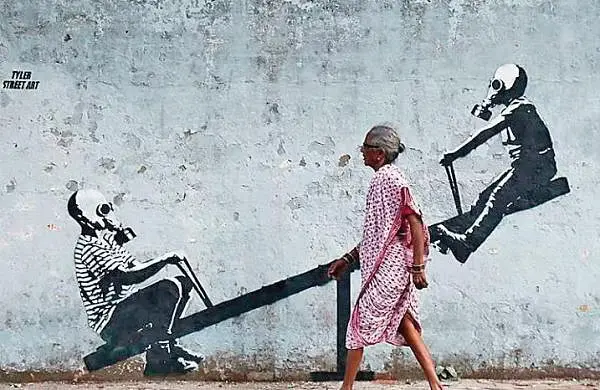
In summary, Errázuriz, the lead researcher, suggests that better living conditions can help combat depression.
Addressing gender and income inequality, as well as reducing crime rates, can lead to better mental health outcomes.
Be Aware of the Symptoms
Experts caution that depression is not just feeling sad. Keep an eye out if symptoms persist throughout the day and for weeks at a stretch.
The condition can affect every aspect of life and may range from mild to severe. The World Health Organization outlines specific symptoms to be vigilant about.
Brazil’s high depression rates are a local issue with global implications.
Compared to countries like the United States, which also face a depression crisis, Brazil lags in healthcare infrastructure.
Latin America faces a widespread lack of reliable data, affecting policy decisions and awareness.
Background Depression
In contrast, nations
like Japan invest heavily in mental health services and show lower rates of depression.
Cultural nuances also play a role; strategies effective in one country may fail in another.
Interestingly, the Brazil study mainly focuses on urban areas, leaving rural populations somewhat neglected.
The stress on socio-economic indicators is consistent with global studies that link financial stability to mental well-being.
Reducing inequality can be a crucial part of the solution for improving mental health globally. Collaboration between countries could offer new methods and insights in treating depression.
More: Brazil news in English, every day from The Rio Times.
This article was drafted with automated assistance and reviewed before publication. How we use AI · Report an error
Read More from The Rio Times