IBOV 209,066.90 ▲ 1.38% IPSA 11,043.36 ▲ 0.17% IPC MEX 66,048.57 ▲ 1.63% MERVAL 2,828,027 ▼ 0.16% COLCAP 2,531.15 ▲ 0.21% BVL PERÚ 59,610.00 ▲ 2.26% USD/BRL4.98▼ 0.20% USD/MXN18.42▲ 0.07% USD/CLP975.06▼ 0.18% USD/COP3,187— 0.00% USD/PEN3.43▼ 0.01% USD/ARS1,517— 0.00% USD/UYU40.21— 0.00% USD/PYG5,676— 0.00% USD/BOB11.77— 0.00% USD/DOP60.87— 0.00% USD/CRC450.81— 0.00% USD/GTQ7.64— 0.00% USD/HNL26.86— 0.00% USD/NIO36.62— 0.00% USD/VES873.46▼ 0.26% USD/PAB1.00— 0.00% USD/BZD2.00— 0.00% USD/JMD 157.28 — 0.00% USD/TTD6.75— 0.00% EUR/BRL5.58▼ 0.82% BRENT 88.88 ▼ 0.03% WTI 83.11 ▼ 0.11% IRON ORE 161.91 — — COPPER 6.61 ▲ 0.03% GOLD 4,461 ▲ 1.78% SILVER 65.59 ▲ 1.26% SOY 1,184 ▲ 3.20% CORN 480.50 ▲ 10.02% WHEAT 655.00 ▲ 3.93% COFFEE 317.25 ▼ 5.51% SUGAR 16.43 ▼ 1.79% ORANGE JUICE 138.55 ▼ 0.47% COTTON 85.03 ▲ 2.33% COCOA 5,719 ▲ 3.18% BEEF 223.60 ▼ 3.93% CATTLE 339.10 ▼ 3.16% LITHIUM 75.20 ▲ 1.47% PETR4 41.64 ▼ 0.05% VALE3 72.97 ▲ 0.83% ITUB4 38.60 ▼ 1.03% BBDC4 16.85 ▲ 0.36% ABEV3 14.89 ▼ 0.80% BBAS3 19.37 ▲ 0.47% B3SA3 14.26 ▼ 0.21% WEGE3 47.59 ▲ 0.49% PRIO3 59.14 ▼ 0.19% SUZB3 41.33 ▲ 2.35% RENT3 34.68 ▼ 0.09% AZZA3 15.89 ▼ 2.63% CSAN3 3.22 ▼ 1.83% RAIZ4 0.25 — 0.00% PCAR3 2.75 ▼ 0.36% GMAT3 3.65 ▼ 1.08% PSSA3 48.13 ▼ 0.54% CVCB3 1.33 ▼ 2.92% POSI3 3.36 ▲ 2.44% SLCE3 13.34 ▲ 0.30% NATU3 8.14 ▼ 0.73% IBOV 209,066.90 ▲ 1.38% IPSA 11,043.36 ▲ 0.17% IPC MEX 66,048.57 ▲ 1.63% MERVAL 2,828,027 ▼ 0.16% COLCAP 2,531.15 ▲ 0.21% BVL PERÚ 59,610.00 ▲ 2.26% USD/BRL 5.16 ▲ 0.01% USD/MXN 17.06 ▼ 0.24% USD/CLP 913.98 ▲ 0.04% USD/COP 3,140 ▲ 0.03% USD/PEN 3.36 ▼ 0.66% USD/ARS 1,493 ▲ 0.10% USD/UYU 40.27 ▲ 1.24% USD/PYG 5,939 ▲ 1.68% USD/BOB 11.64 ▼ 0.76% USD/DOP 58.34 ▲ 1.25% USD/CRC 445.92 ▲ 0.89% USD/GTQ 7.62 ▲ 2.21% USD/HNL 26.79 ▲ 1.57% USD/NIO 36.62 ▲ 0.69% USD/VES 762.44 ▼ 0.13% USD/PAB 1.00 — 0.00% USD/BZD 2.00 — 0.00% USD/JMD 157.28 — 0.00% USD/TTD 6.70 ▲ 0.61% EUR/BRL 5.95 ▲ 1.01% BRENT 88.88 ▼ 0.03% WTI 83.11 ▼ 0.11% IRON ORE 161.91 — — COPPER 6.61 ▲ 0.03% GOLD 4,461 ▲ 1.78% SILVER 65.59 ▲ 1.26% SOY 1,184 ▲ 3.20% CORN 480.50 ▲ 10.02% WHEAT 655.00 ▲ 3.93% COFFEE 317.25 ▼ 5.51% SUGAR 16.43 ▼ 1.79% ORANGE JUICE 138.55 ▼ 0.47% COTTON 85.03 ▲ 2.33% COCOA 5,719 ▲ 3.18% BEEF 223.60 ▼ 3.93% CATTLE 339.10 ▼ 3.16% LITHIUM 75.20 ▲ 1.47% PETR4 41.64 ▼ 0.05% VALE3 72.97 ▲ 0.83% ITUB4 38.60 ▼ 1.03% BBDC4 16.85 ▲ 0.36% ABEV3 14.89 ▼ 0.80% BBAS3 19.37 ▲ 0.47% B3SA3 14.26 ▼ 0.21% WEGE3 47.59 ▲ 0.49% PRIO3 59.14 ▼ 0.19% SUZB3 41.33 ▲ 2.35% RENT3 34.68 ▼ 0.09% AZZA3 15.89 ▼ 2.63% CSAN3 3.22 ▼ 1.83% RAIZ4 0.25 — 0.00% PCAR3 2.75 ▼ 0.36% GMAT3 3.65 ▼ 1.08% PSSA3 48.13 ▼ 0.54% CVCB3 1.33 ▼ 2.92% POSI3 3.36 ▲ 2.44% SLCE3 13.34 ▲ 0.30% NATU3 8.14 ▼ 0.73%
since 2009
Sunday, October 11, 2026

Brazil Faces Its Most Severe Drought in Recent History

By · September 1, 2024 · 2 min read

Brazil faces its most severe drought in decades, affecting nearly the entire nation except for Rio Grande do Sul.

This critical situation comes from data spanning since 1950, analyzed by the National Center for Natural Disaster Monitoring (Cemaden).

Unlike the localized dry spell in 2015, this year’s drought impacts are far-reaching and intense, covering vast areas and exacerbating wildfires.

Maps from Cemaden, illustrating drought progression since 2012, reveal a worsening scenario in 2024.

Over one-third of Brazil, equating to more than 3 million square kilometers, suffers from extreme drought.

The LatAm Brief

One email, every weekday morning. What moved in Latin American markets, politics and expat life.

Yesterday’s subject line: “Panama quake hits hotel and cathedral, canal keeps running”

Free. We send a confirmation link first — nothing arrives until you click it. Unsubscribe with one click in any edition. If you stop opening us for 30 days we stop sending by ourselves, as we assume the interest is no longer there. See our privacy policy. We never share your email.

This has led to isolated northern cities, widespread health-impacting fires, and very low river levels, prompting the need for thermal power activation.
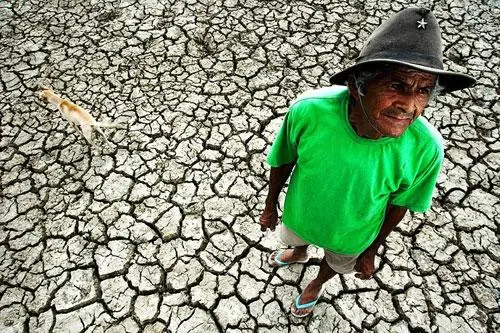
Brazil Faces Its Most Severe Drought in Recent History.
RT
Ask Rio Times
17 years of Latin America reporting, on demand.
Open the full Ask Rio Times →

Several factors intensify this drought. El Niño has altered weather patterns, increasing temperatures and changing rainfall dynamics.

Atmospheric blocks have stopped cold fronts, and the warmer North Atlantic Tropical Ocean extends the drought that began in 2023.

Experts initially hoped the El Niño phase would end by April, allowing recovery with new rainfall.

Brazil Faces Its Most Severe Drought in Recent History

However, the dry season now looks set to continue past its usual end. Forecasters expect delayed, weaker rains, promising little relief until possibly November.

Cemaden’s latest figures are bleak, especially for river levels. Persistent dry conditions since last June, coupled with over 18 months of below-average rainfall in many areas, strain Brazil’s river systems.

Some regions have not seen rain for over four months. Without significant rains, expected no sooner than January, these critical river conditions will likely persist.

Amid this drought, the potential onset of La Niña, usually cooling the Pacific and possibly bringing more rain, appears weak and delayed until November. It’s unlikely to significantly ease the drought impacts.

This prolonged drought underscores the challenges Brazil faces with climate change. It highlights the need for strategic management to mitigate severe drought effects on Brazil’s environment, economy, and people.

This article was drafted with automated assistance and reviewed before publication. How we use AI · Report an error · Editorial responsibility: Matthias Camenzind, Editor-in-Chief

Read More from The Rio Times

The Rio Times · Power Map
See who really holds power in Latin America
Click to open the Power Map →

Rotate for Best Experience

This report is optimized for landscape viewing. Rotate your phone for the full experience.