Bolivia’s Power Struggle Turns Justice Into Political Theater as Economy Falters
A Bolivian judge annulled the arrest warrant against former president Evo Morales on April 30, 2025, exposing the depth of the country’s political divide and the fragility of its justice system.
Morales, accused of fathering a child with a minor during his presidency, had faced formal charges and an arrest order since October 2024. Despite the allegations, police made no attempt to detain him as he remained in his stronghold in Cochabamba, surrounded by loyal supporters.
Judge Lilian Moreno Cuéllar, who ordered the annulment, argued that a previous investigation had already cleared Morales. The judicial council’s president immediately called for a review of this decision.
However, Morales’s legal team claimed his constitutional rights had been restored. Morales, now 65, has announced plans to run in the August 2025 presidential election, despite a court ruling barring him from seeking a fourth term.
He insists the case is a political maneuver by President Luis Arce, his former ally, to block his return. The rivalry between Morales and Arce has fractured the ruling Movement Toward Socialism (MAS) party.
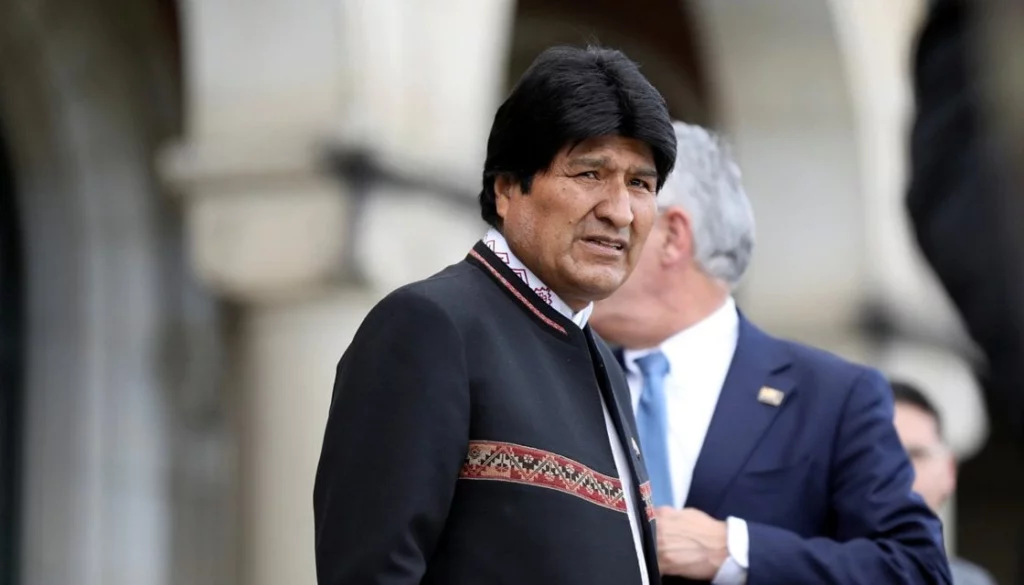
Both men once presided over Bolivia’s economic boom, but now their feud paralyzes the legislature and divides the party’s core supporters. Violent clashes between their factions have erupted in La Paz, and the split has delayed key reforms.
Bolivia’s Economic Crisis
This political chaos comes as Bolivia faces its worst economic crisis in decades. Foreign reserves have plunged from $15 billion in 2014 to under $2 billion, and the official exchange rate of 6.96 bolivianos per dollar has collapsed, with the black market rate doubling it.
The country relies on imports for over half its gasoline and most of its diesel, but shortages force citizens to wait up to 30 hours for fuel. Economic paralysis has shuttered businesses and triggered mass migration to neighboring countries.
The justice system’s role in this crisis is clear. Whoever controls the courts can shield allies and target rivals, turning legal proceedings into tools of political survival. The Morales case illustrates how judicial decisions follow political winds, not the rule of law.
As the August election approaches, the outcome of this power struggle will shape Bolivia’s future-and its ability to restore economic stability and institutional trust. All figures and claims in this article are based on verified, factual sources.
More: Bolivia news in English, every day from The Rio Times.
This article was produced by The Rio Times’ automated newsroom system. How we use AI · Report an error · Editorial responsibility: Matthias Camenzind, Editor-in-Chief
In depth