Bolivia’s Gold Gamble: Can $2.88 Billion in Reserves Buy Time?
Bolivia’s Central Bank boosted reserves to $2.88 billion by August 2025, up $905 million since December 2024. Most of that gain came from buying 4.93 tonnes of domestic gold, which added $1.09 billion to reserves.
Despite the jump, Bolivia ranks 17th out of 18 Latin American countries. Its reserves cover just 6.4 percent of a $45 billion GDP. Meanwhile, $13.8 billion in external debt looms nearly five times larger than the reserves.
The real story lies in what drove this gold push. Bolivia’s gas export earnings plunged from $6.1 billion in 2013 to $1.6 billion in 2024 after production fell 50 percent.
That drop created a dollar drought, fueling 24 percent inflation and pushing black-market exchange rates more than double the official rate.
Political gridlock in Congress blocked $1.79 billion in new external loans since 2023. With no fresh financing, the Central Bank tapped reserves for $1.28 billion in fuel imports and $1.05 billion in debt service through August.
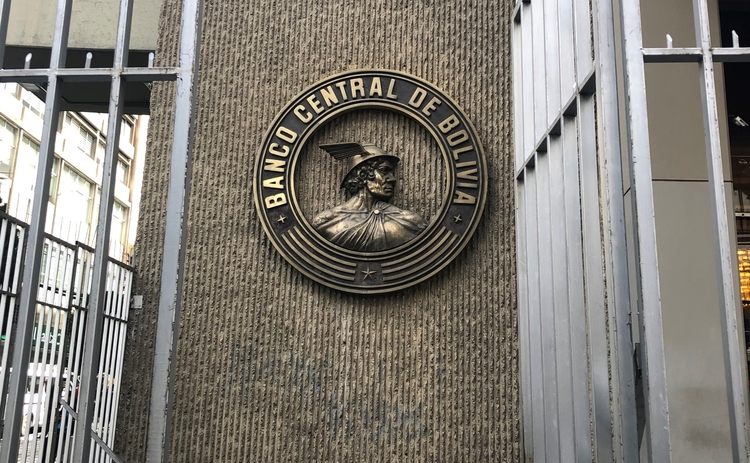
Behind the numbers, critics warn that rushing to buy gold may encourage illegal mining and deforestation. The bank assures it audits cooperatives, but transparency remains limited.
Bolivia sits on one of the world’s largest lithium deposits, a potential windfall for battery markets. Yet political uncertainty stalls foreign investment. In the short term, gold purchases have shored up foreign currency and delayed a balance-of-payments crisis.
But experts say real stability depends on realistic exchange rates, cutting fuel subsidies, boosting gas output, and opening lithium projects. Without those reforms, Bolivia’s gold strategy may only postpone a deeper reckoning.
More: Bolivia news in English, every day from The Rio Times.
This article was produced by The Rio Times’ automated newsroom system. How we use AI · Report an error · Editorial responsibility: Matthias Camenzind, Editor-in-Chief
In depth