Bolivia’s Arce Calls for Military Backing Against ‘Soft Coup Plans’
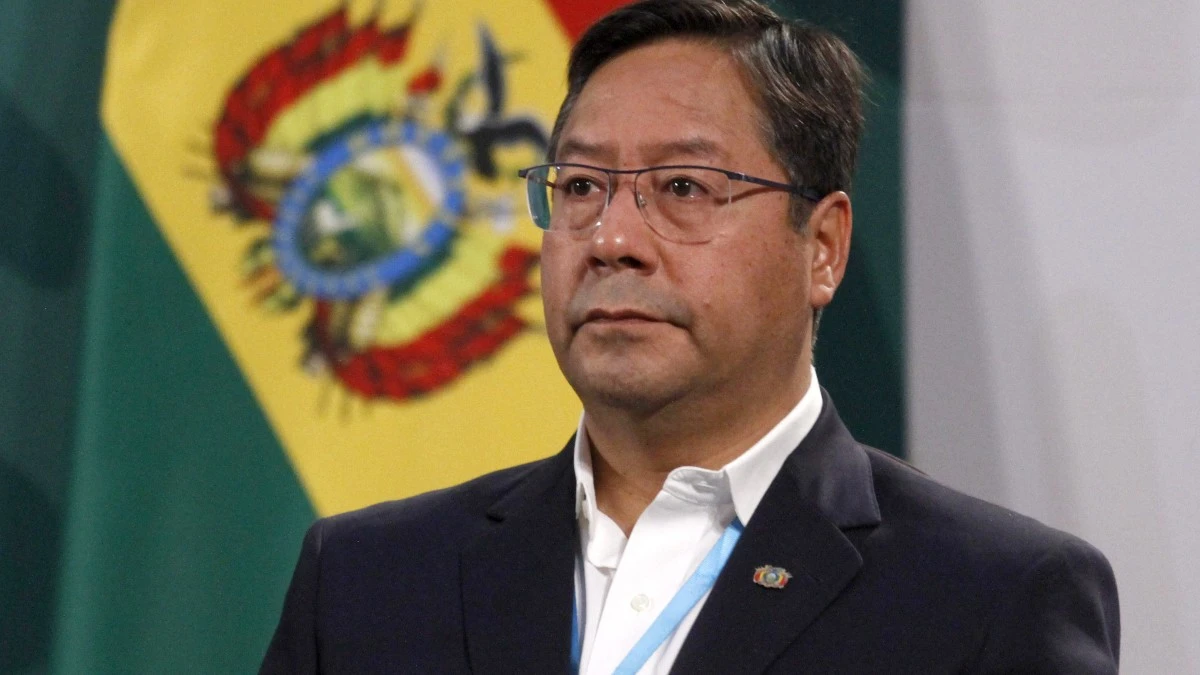
Under President Luis Arce, Bolivia’s crisis deepens, prompting him to seek military support on May 27 to counter a purported “soft coup” during economic struggles.
Addressing the Colorados regiment, his guard unit, he cited worsening economic challenges.
Roadblocks and protests by heavy transport workers and informal traders are forthcoming.
They demand improved access to dollars and fuel, which have seen rationing for months. Arce argues these issues are overstated to destabilize his government.
He asserts, “We face some dollar availability issues, yet we aren’t in a full economic crisis.”
His administration contends with opposition from both traditional rivals and supporters of former mentor, ex-President Evo Morales.
Dollar reserves at the Central Bank of Bolivia plummeted to minimal levels by February 2024, leading to restricted dollar withdrawals.
Initially set at $200 daily, this limit has dropped to $100. Monthly withdrawal caps and restrictions on foreign card usage are now in place.
On the parallel market, dollars fetch a 20% premium over official rates. Large-sum importers face a 10% bank commission.
This rate disparity has led to limited bank dollar supplies, creating friction with the government.
Authorities fined banks for high commissions and accused them of hoarding dollars. Banks responded by highlighting the Central Bank’s $2.5 billion debt.
By early May, the Central Bank had just $139 million in reserves. The dollar supply relies on exporters, who sell dollars at premium rates.
Bolivia’s Arce Calls for Military Backing Against ‘Soft Coup Plans’
Government officials note some exporters are hesitant to repatriate earnings, with no strict sanctions in place.
Rising costs in Argentina have brought inflation to Bolivia, affecting price stability and Arce’s popularity, yet he still leads in voter polls.
In 2023, Bolivia’s imports outstripped exports by $500 million, depleting dollar availability.
The trade deficit largely results from importing 80% of its fuel, following the national hydrocarbon industry’s collapse.
Last year, Bolivia exported $2.3 billion in gas but imported $3 billion in fuel products.
Subsidized prices cause smuggling, leading to stricter fuel sale controls and disrupting sectors like agroindustry and transport.
Debate frequently focuses on crisis existence. As elections near, political tensions rise, fueled by conspiracy claims.
More: Bolivia news in English, every day from The Rio Times.
This article was produced by The Rio Times’ automated newsroom system. How we use AI · Report an error
Read More from The Rio Times