Bolivia: The Blockades Are Lifting in La Paz — Don’t Unpack the Road-Trip Yet
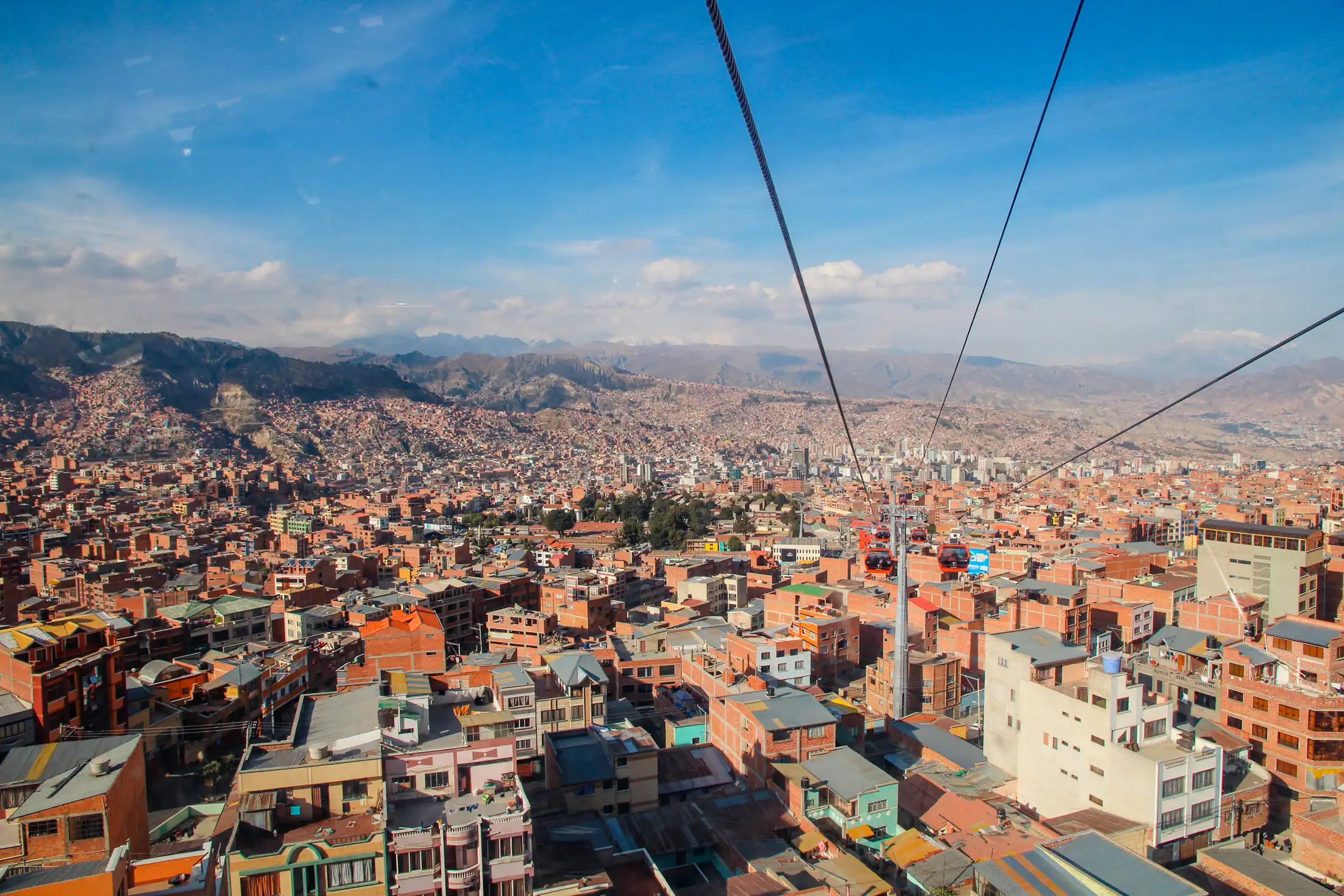
Bolivia · Travel
Updated 1 times · Latest: June 16, 2026
Key Facts
—La Paz is easing. The department’s governor says 12 of its provinces have lifted their blockades and expects normality to return over the weekend.
—Fuel is returning. Tankers have started reaching La Paz and El Alto again, and the Río Abajo food route has reopened.
—The country isn’t clear. The road authority counted about 101 blockade points across six departments on Thursday — Cochabamba now the worst-hit, ahead of La Paz.
—More than 40 days in. The blockades have run since May, and a 90-day state of exception was declared nationally on June 20.
—Fly, don’t drive. Intercity road travel remains severely disrupted, so domestic flights are the practical way to move between cities.
—Don’t unpack the road trip. Book flexibly, carry extra fuel, food, water and medication, never cross a roadblock, and register with your embassy.
La Paz is breathing again — fuel is flowing and roads are reopening — but the rest of Bolivia is still tied in knots. If you are heading there, fly between cities and don’t plan a road trip just yet.
After more than six weeks of road blockades, fuel queues and shortages, there is finally some good news out of the Bolivian capital. The blockades around La Paz are starting to lift, and the city is edging back to normal.
But the relief is local and early. Across the rest of the country the roads are still cut in their dozens, so the practical advice for now is simple: treat La Paz as cautiously reopening and reach everywhere else by air.
What’s easing in La Paz
The governor of La Paz said on Thursday that 12 of the department’s provinces had decided to lift their blockades and resume normal activity, sharply cutting the number of conflict points there. He attributed the shift to protesters standing down and to the economic toll the blockades had taken on ordinary families.
Crucially for daily life, fuel has begun reaching La Paz and El Alto again, and the Río Abajo route has reopened so farm produce can flow back into the cities. The governor expects activity to normalise over the weekend, though he noted the protesters’ core political demand, the president’s resignation, is not part of the dialogue.
Why the rest of the country isn’t clear yet
Nationally the picture is still tough. Bolivia’s road authority counted around 101 blockade points across six departments on Thursday, with Cochabamba now the most affected at about 30, ahead of La Paz on roughly 22, and more in Oruro, Chuquisaca, Potosí and Santa Cruz.
The crisis has run more than 40 days since May, triggering shortages of fuel, food and medical oxygen. A 90-day state of exception was declared nationally on June 20, and our reporting has shown violent clashes as police and soldiers tried to clear key routes.
Fly, don’t drive — for now
With main roads cut, overland travel to and between the highlands is unreliable, so domestic flights are the sensible way to move between La Paz, Santa Cruz, Cochabamba, Sucre and Uyuni. Even then, check with your airline before heading out, because the roads leading to the terminals — including El Alto — can themselves be blocked.
Foreign governments, including Canada’s, warn that overland routes to La Paz, Lake Titicaca and Copacabana, Uyuni, Potosí, Tiwanaku, Coroico, Oruro and Rurrenabaque are likely to be severely disrupted, and advise against crossing any roadblock, even one that looks unattended.
Practical tips if you go
Book flexible, refundable flights and accommodation, because conditions are changing by the day. Carry extra fuel, water, food, cash and any medication you need, since once a blockade goes up, supplies cannot get in.
Avoid protests and roadblocks, especially around government buildings and central La Paz, where situations can escalate quickly. Register your trip with your embassy or a service such as the US State Department’s STEP so you receive alerts, and keep your documents and a charged phone to hand throughout.
The bottom line
La Paz is the brightest spot in a country still largely blockaded. The easing is real and welcome, but it is early and partial, and the national road network is far from clear.
Treat the city as cautiously reopening and the rest of Bolivia as best reached by air, and keep checking the latest advisories — this is moving day by day. Conditions can change quickly, so confirm the current situation with your airline, your embassy and official Bolivian sources before you travel.
Earlier updates
By day 46 (June 15) the count had fallen to roughly 49 active road cuts, but La Paz remained encircled — food, fuel and medicine short, with no humanitarian corridor. The COB twice postponed a national assembly and five departmental workers’ centrals broke toward dialogue, while Cochabamba’s cocaleros vowed to strengthen the blockades. Avoid overland routes into La Paz and the Chapare.
More: Bolivia news in English, every day from The Rio Times.
Frequently Asked Questions
Are the blockades over in La Paz?
Not entirely, but they are easing fast. The governor says 12 provinces have lifted their blockades, fuel is returning, and he expects normality over the weekend, though the situation is not fully resolved.
Is the rest of Bolivia clear?
No. The road authority counted about 101 blockade points across six departments on Thursday, with Cochabamba now the most affected. Intercity road travel remains unreliable.
Can I still fly within Bolivia?
Generally yes, and flights are the practical way to move between cities right now — but confirm with your airline, because the roads to airports can be blocked.
Is it safe to visit?
La Paz is cautiously reopening, but the wider country is still disrupted and tense. Avoid roadblocks and protests, keep bookings flexible, and follow the latest advisories.
Connected Coverage
Is It Safe to Travel to La Paz Right Now? A June 2026 Advisory
This article was produced by The Rio Times’ automated newsroom system. How we use AI · Report an error · Editorial responsibility: Matthias Camenzind, Editor-in-Chief
The La Paz Guide
What The Rio Times publishes for foreigners in La Paz, Bolivia.
Living in La Paz
Understand Bolivia