Colombia’s Presidential Handover Turns Hostile: A Criminal Complaint and Suspended Talks
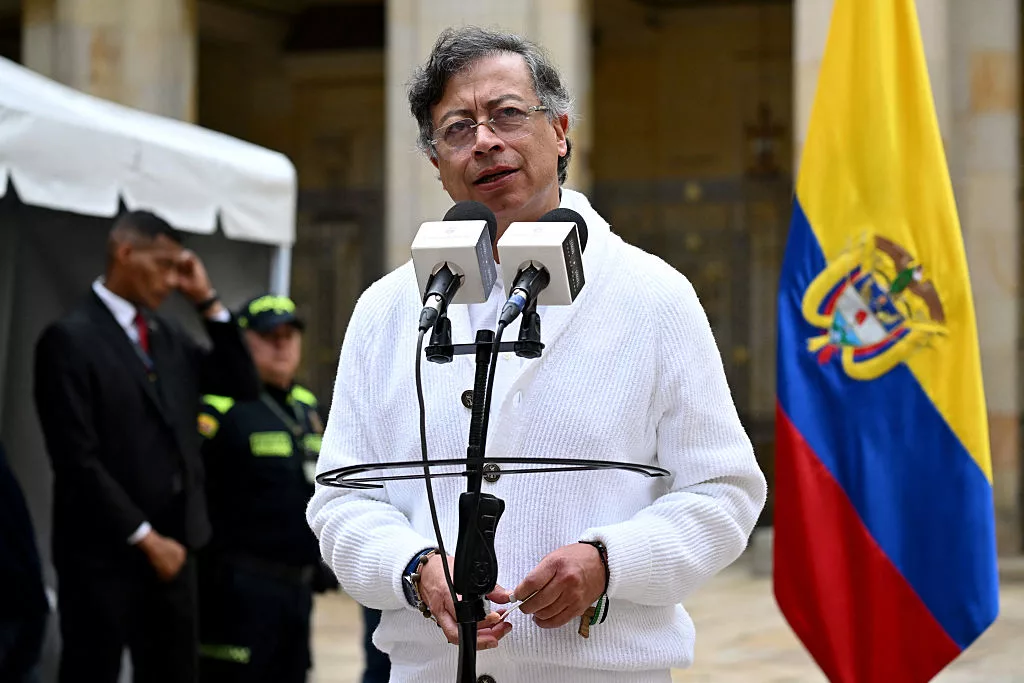
*Colombia's presidential handover has turned into a legal fight. The outgoing government filed a criminal complaint against a handover team member. It suspended the joint sessions and asked prosecutors to watch the process before the August 7 transfer.*
Colombia’s broken handover is now a court matter. The outgoing government filed a criminal complaint against a member of the incoming team. It asked the chief prosecutor to watch the process, then walked out of the joint sessions. Weeks before the transfer, the two sides talk past each other.
Key Facts
- The complaint. The outgoing government filed a criminal complaint against Carlos Alonso Lucio, a member of the incoming transition team.
- The grounds. It says his public remarks damaged the president’s honour and good name.
- The oversight. It asked the chief prosecutor’s office to watch the handover as a guard.
- The suspension. Joint sessions stay on hold until each side shows the other respect.
- For residents. Nothing changes before the August 7 handover; the July 20 tax reform is the live item.
The criminal complaint
The outgoing government filed a criminal complaint against Carlos Alonso Lucio, a member of the incoming handover team. It says remarks he made in a weekend interview hurt the president’s honour and good name.
Lucio had said in public that the outgoing president should face legal action. The complaint is an accusation, not a finding.
It will now run its course through the courts. Judges, not the two political camps, will decide whether the words crossed a legal line.
A request for oversight
Alongside the complaint, the government asked the public prosecutor’s office to sit in on the handover tables. The idea is simple: put an independent body in the room as a guard.
The finance minister read the committee’s statement aloud. The process, he said, had been twisted.
A handover is not a criminal probe, a trial or a stage for politics. The government, he added, would not accept more attacks.
Joint sessions suspended
The committee stopped the joint sessions until both sides show what it called mutual respect. Its stated priority is to keep the process technical, public and democratic.
The ministries still have homework. The law obliges each one to produce and publish its handover report, dispute or no dispute.
So the paperwork continues even though the meetings have stopped. The written record is meant to survive the falling-out between the two teams.
The incoming team’s pivot
The incoming government says the handover is over. It now works through formal written information requests instead.
Officials must answer these by law. The incoming defence pick has filed one with hundreds of questions.
The incoming team has also raised questions about contracts and spending under the current government. These are claims, not findings.
That is exactly what the written requests are for. They force answers onto the record, one question at a time.
The comptroller’s own track
A third track runs beside the fight. The comptroller general’s office has set up working tables for a month of checks on the public accounts.
The acting comptroller calls the work a first technical input, nothing more. It is not a political verdict, he stresses.
It rates no government and settles nothing. That caution matters, because both camps want the institutions on their side.
Why the handover matters
The empalme, as Colombians call it, is the formal bridge between an elected government and a sitting one. Teams from both sides sit at tables, ministry by ministry.
Budgets, contracts and unsolved problems change hands there. It is where the new team learns how the state actually runs before it takes charge.
When the tables stop, the incoming side starts governing blind. Written requests can move documents, but they cannot replace a briefing.
That is the real cost of this fight, and both sides know it. A rushed start can slow decisions in the first weeks of any new government.
What it means for foreigners
No visa, tax or residency rule changes because a handover broke down. The outgoing government stays in charge until August 7.
Meetings, paperwork and daily life go on as normal. The dispute is between two political teams, not a change in the rules you live under.
The one item that touches foreigners’ money is the tax reform the outgoing government still plans to file on July 20. Nothing is law until Congress passes it.
What residents would pay depends on the text. Until lawmakers vote, the plan is only a proposal on paper.
More: Colombia news in English, every day from The Rio Times.
Frequently Asked Questions
What is the criminal complaint about?
The outgoing government filed it against a member of the incoming handover team over public remarks it says hurt the president’s honour and good name. It is an accusation, not a finding.
Why did the handover sessions stop?
The government stopped the joint sessions until both sides show respect. The ministries still write their handover reports, as the law requires.
Who is watching the process now?
The government asked the chief prosecutor’s office to watch the tables. The comptroller separately runs a month of checks on the public accounts.
Does this change anything for foreigners?
No. No visa, tax or residency rule changes before the August 7 inauguration.
What should residents actually watch?
The tax reform the outgoing government plans to file on July 20. Its contents, not the political fight, would affect residents’ income and property taxes.
This article was produced by The Rio Times’ automated newsroom system. How we use AI · Report an error · Editorial responsibility: Matthias Camenzind, Editor-in-Chief
Expat Guide to Colombia
What The Rio Times publishes for foreigners who live in or move to Colombia.
Start here
- Colombia Rent Increase Limit Is 5.10% in 2026
- Bancolombia Explained, Colombia's Largest Bank in 2026
- Cost of Living in Colombia for Expats in 2026: Rent, Transport and Health in Five Cities
- How to Stay Safe in Colombia in 2026: Advisories, Dating-App Risks and Regions to Avoid
City guides
Medellín, Bogotá, Cartagena, Cali
Coming up in Colombia
- Colombia Holiday Weekends: 12 October, 2 and 16 November 12 Oct
- Altavoz Festival Medellín Brings 59 Free Acts to Colombia, 10–12 October 12 Oct
- Berlin Philharmonic Bogotá Debut: First Colombia Concerts on 14 and 15 October 13 Oct
- Bad Gyal Bogotá Concert Brings Más Cara Tour to Colombia on 18 October 18 Oct
Understand Colombia