Argentina’s US$18bn China Swap Nears a Decisive Deadline
Economy: Argentina
Key Facts
—Instrument. Argentina’s swap line with China is a framework of up to 130 billion yuan (about US$18 billion) first signed in 2009 and expanded several times since.
—Deadline. The current framework, last renewed in August 2023 for three years, expires on August 6, 2026, forcing a renewal decision.
—Wind-down. Buenos Aires has repaid most of the roughly 35 billion yuan (about US$5 billion) it had activated; the outstanding balance fell to about US$675 million by mid-January.
—Pressure. Washington has pushed Argentina to end the line, calling it extortion, and floated a US loan as a replacement.
—Stakes. The swap has at times covered more than half of Argentina’s gross reserves, estimated near US$24 billion, making it a core part of its financial cushion.
A currency lifeline that has propped up Argentina’s threadbare reserves for years is reaching a crossroads, as an August 6 deadline forces President Javier Milei to decide whether to keep leaning on Beijing or bow to Washington.
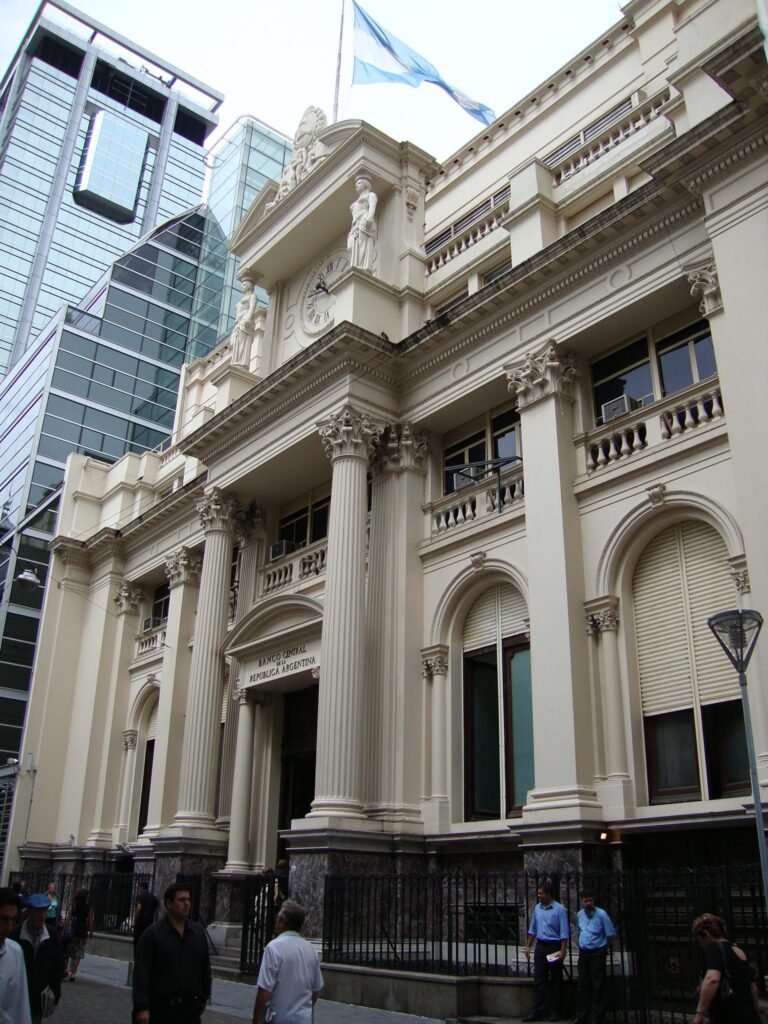
What the Swap Line Is
A currency swap lets two central banks exchange their currencies for a set period. Argentina’s arrangement with the People’s Bank of China gives Buenos Aires access to Chinese yuan it can use to bolster reserves and settle trade with China, its second-largest trading partner, without spending scarce dollars.
The framework dates to 2009 and has been renewed and enlarged repeatedly, reaching a ceiling of 130 billion yuan (about US$18 billion). Of that, Argentina had activated roughly 35 billion yuan (about US$5 billion), the portion it actually drew and must repay.
For a country that has cycled through crises and IMF programs, the line functions less like debt and more like insurance: a standby pool of foreign currency that helps keep the balance of payments from seizing up.
Why Now Is Decisive
The urgency comes from the calendar. The framework was last renewed in August 2023 for three years, meaning it lapses on August 6, 2026. With the deadline days away, neither government has publicly confirmed whether it will roll over.
Argentine officials have played down talk of active negotiations, yet local reports suggest an extension is advancing, with mainly administrative steps left before any deal could be signed. One recent account described Buenos Aires as edging back toward Beijing despite the external pressure.
The decision matters because letting the framework lapse would remove a backstop that has repeatedly cushioned Argentina in moments of stress, even as the government simultaneously pays down the money it already used.
The Wind-Down Under Milei
Since taking office, President Javier Milei’s economic team has moved to shrink the activated portion of the swap rather than expand it. Argentina has repaid close to 90% of what it drew, and the outstanding balance dropped from about US$5 billion to roughly US$675 million by mid-January 2026.
Officials have indicated the used tranche should be fully repaid around the middle of 2026. That leaves the larger question of the framework itself: whether to preserve the option of tapping yuan again in future, even if the line sits unused.
The distinction is important. Winding down the drawn amount reduces a near-term obligation; keeping the framework alive preserves flexibility. The two are being decided on different tracks, which is why the August deadline looms even as repayments proceed.
Washington’s Objection
The swap has become a flashpoint in a wider contest for influence in the region. US officials have pressed Argentina to cancel it, with one special envoy calling the long-standing line extortion by China and urging that it be ended. Washington has floated a US loan as a possible substitute.
That puts Milei, ideologically aligned with the United States, in an awkward spot. He has nonetheless signaled he intends to visit China in 2026, a sign that pragmatism over reserves competes with political alignment.
For Beijing, the arrangement is part of a global network of swap lines that extend the yuan’s reach; for Buenos Aires, it is a question of which partner can most reliably shore up its finances.
What It Means for Argentina’s Economy
The stakes are concrete. The swap has at times represented more than half of Argentina’s gross international reserves, which stand near US$24 billion. Losing access to that buffer, without a ready replacement, would leave the country more exposed to currency and import shocks.
For businesses trading with China, the yuan liquidity has smoothed payments; for the government, it has been a tool to defend the peso. Any replacement financing from the United States or elsewhere would need to fill the same role to avoid a gap.
The coming days should clarify the direction. Whether the framework is quietly renewed, allowed to expire, or swapped for Western financing, the choice will shape how much room Argentina has to manage its reserves through the rest of 2026. Reserve data are disclosed by the country’s central bank.
Frequently Asked Questions
How big is Argentina’s currency swap with China?
The framework allows for up to 130 billion yuan (about US$18 billion). Argentina had activated roughly 35 billion yuan (about US$5 billion) of that, which is the portion it drew and has been repaying.
When does the swap agreement expire?
The current framework, last renewed in August 2023 for three years, expires on August 6, 2026. That deadline forces Argentina and China to decide whether to renew, let it lapse, or restructure the arrangement.
Why does the United States want Argentina to drop the swap?
Washington views China’s financial ties with Argentina as a strategic concern; a US envoy called the swap extortion. The United States has pressed Buenos Aires to end it and floated a US loan as an alternative source of financing.
Connected Coverage
LatAm Markets & Business Coverage
Sources: South China Morning Post; Buenos Aires Times; Central Banking.
This article was produced by The Rio Times’ automated newsroom system. How we use AI · Report an error
Read More from The Rio Times