Argentina Cuts Winter Gas to Factories Despite Record Output
Energy
Key Facts
—The paradox. Argentina is cutting winter gas to factories despite record production.
—The source. The Vaca Muerta shale field now pumps about 140 million cubic metres a day.
—The gap. On the coldest days demand tops 180 million, so the country still imports.
—The bottleneck. The problem is pipeline capacity, not gas in the ground.
—The change. This year the government ended subsidies on costly imported gas.
Argentina’s Argentina winter gas cuts capture a strange contradiction: a country sitting on vast reserves that still runs short each winter.
The setting is the cold season. As temperatures drop, homes burn far more gas, and the system strains to keep up.
To protect households, the state cuts factories first. Industrial users on interruptible contracts lose their supply when demand peaks.
Why the Argentina winter gas cuts keep happening
The paradox is real. Argentina produces record volumes of gas, about 140 million cubic metres a day, driven by the huge Vaca Muerta shale field.
Yet demand outruns it in winter. On the coldest days, consumption can top 180 million cubic metres, forcing the country to import the difference.
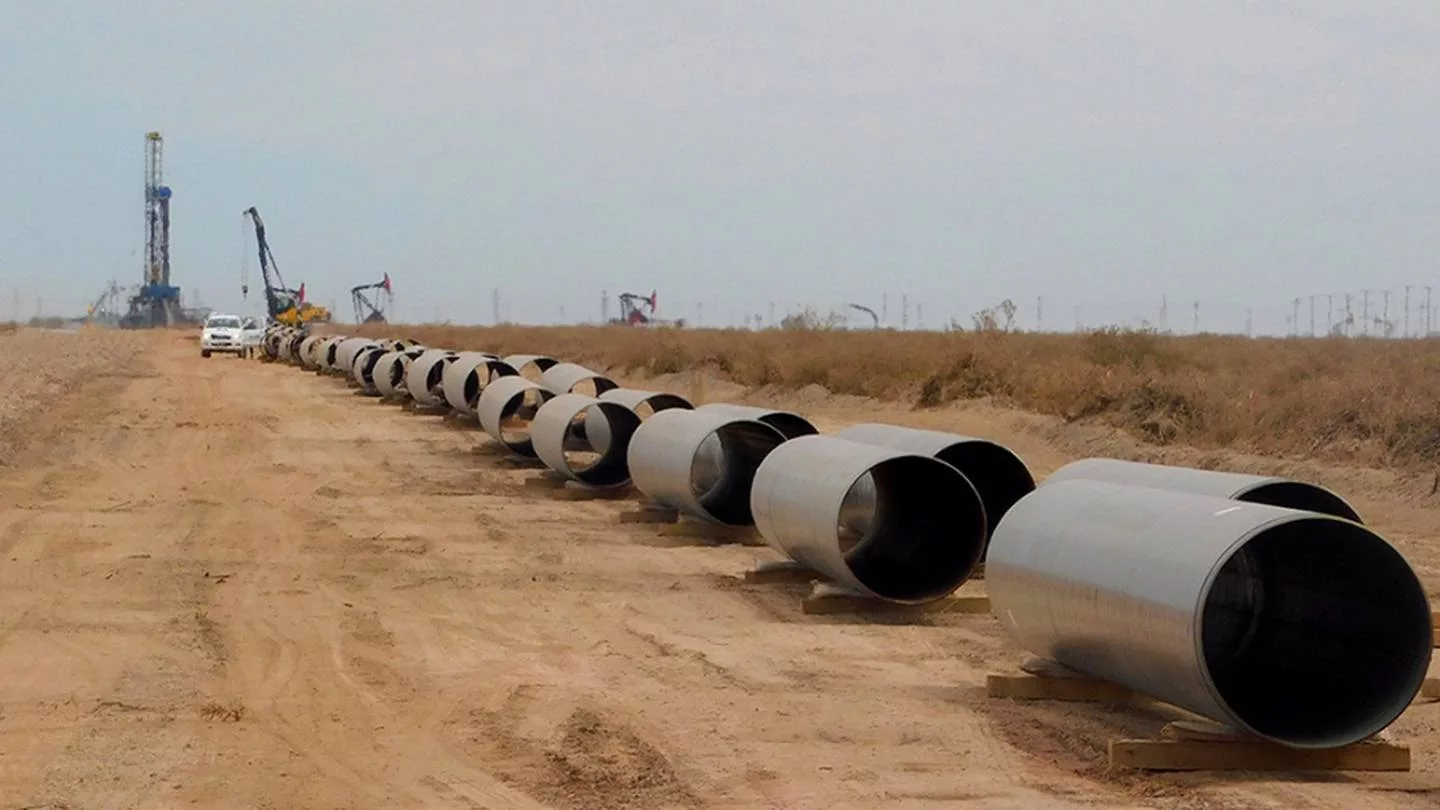
The real limit is the pipes. There is plenty of gas underground, but not enough pipeline capacity to move it to the big cities and industrial hubs.
The north is hit hardest. With Bolivian imports halted and key upgrades unfinished, northern provinces face the tightest supply.
What makes the Argentina winter gas cuts worse this year
A policy shift raised the stakes. This year the government stopped subsidising imported gas, passing the full cost to industry.
The price gap is huge. Imported gas can cost around 27 dollars per unit, against roughly 3 dollars for gas from Vaca Muerta.
The war added pressure. Conflict in the Middle East pushed the price of imported gas sharply higher this winter.
For a foreign investor, the read is mixed. Vaca Muerta is a genuine boom, but the winter squeeze exposes how far the infrastructure still lags.
The government is holding firm. It has refused to restore subsidies, arguing users should pay the real cost and that private firms should build the pipes.
The industrial toll is real. Around one hundred and thirty factories have faced cuts or halted production, hit hardest in the north and the litoral.
Firms face a hard choice. They can pay for costly imported gas, switch to fuel oil or diesel, or simply stop their lines for a few days.
Electricity feels it too. With less gas for power plants, the wholesale cost of electricity has jumped as generators burn pricier liquid fuels.
Industry asked for help. A business proposal to split the extra import cost with the state was rejected by the economy minister.
The seasonality is the trap. No pipeline network is built for a three-week cold snap, so the winter peak has always leaned on imports.
The fix is under way but slow. A pipeline expansion should roughly halve import reliance from 2027, once new compression capacity comes online.
The north still needs more. A separate project to reverse a northern pipeline is not finished, leaving those provinces exposed for now.
For a resident, the effect is indirect. The cuts hit factories, not homes, but higher energy costs feed through to prices over time.
For now, the contrast stands. Argentina celebrates record output and courts export deals, even as its own factories go cold each winter.
More: Argentina news in English, every day from The Rio Times.
Frequently Asked Questions
Why does Argentina cut gas to factories in winter despite record production?
Argentina cuts gas to factories to protect households when demand peaks. Industrial users on interruptible contracts lose their supply first as the system strains during the cold season.
What is the main reason Argentina still faces gas shortages?
The problem is pipeline capacity, not gas in the ground. There is plenty of gas underground, but not enough pipeline capacity to move it to the big cities and industrial hubs.
How much gas does Argentina produce and need during peak winter demand?
Argentina produces record volumes of about 140 million cubic metres a day from the Vaca Muerta shale field. On the coldest days, consumption can top 180 million cubic metres, forcing the country to import the difference.
Connected Coverage
Vaca Muerta Turns Argentina Into a Gas Powerhouse
Frequently Asked Questions
Why do the Argentina winter gas cuts happen?
The problem lies in transport rather than supply, since Argentina pumps record volumes from Vaca Muerta but winter demand outstrips what its pipelines can carry to cities and factories. To protect households, the state cuts industrial users first and imports gas to cover the gap.
Why are the cuts worse this year?
This year the government ended subsidies on imported gas, so factories must pay the full price, which can be far higher than local gas. Conflict in the Middle East pushed those import prices up further, leaving many plants to cut output or switch to costlier fuels.
When will the shortages ease?
Relief depends on new pipeline capacity, and an expansion of the Perito Moreno pipeline should cut import reliance from 2027, though northern provinces will still need further works. Until the transport network catches up, winter cuts are likely to recur.
This article was produced by The Rio Times’ automated newsroom system. How we use AI · Report an error · Editorial responsibility: Matthias Camenzind, Editor-in-Chief