
ARGENTINA · TRADE · UNITED STATES
Key Facts
- The country Argentina is South America’s second-largest economy, led by libertarian President Javier Milei, and a close trade and minerals partner of Washington.
- What happened On Thursday 15 October, details emerged of a protocol rewriting the tariff chapter of the Argentina trade deal signed on 5 February.
- What changed The text drops its references to the reciprocal tariffs struck down in court and keeps the standard most-favoured-nation tariff rate for Argentine goods.
- The limit That promise stays subject to US laws on national security, import surges and unfair trade, so new US tariffs remain possible.
- Power Index Argentina ranks 4th of 14 in The Rio Times Latin America Power Index, with 61.2 points (October 2026 edition).
- Next step Argentina’s Congress must ratify the deal, which then takes effect 60 days after both countries confirm their approvals are complete.
- Still open No date for the congressional vote has been set, and the text states no tariff percentage for Argentine goods.
Argentina and the United States have signed a protocol that rewrites the tariff chapter of the Argentina trade deal. The US Supreme Court had struck down the emergency tariffs behind it, and details of the new text emerged on Thursday 15 October.
The change matters to American exporters and investors because the Argentina trade deal opens Argentine markets to US goods and copper and lithium projects. It also lets President Javier Milei’s government send the agreement to Congress for a vote.
What the Protocol Changes
The protocol amends the Agreement on Reciprocal Trade and Investment, known as the ARTI, which the two governments signed in Washington on 5 February. Foreign Minister Pablo Quirno and US Trade Representative Jamieson Greer, the president’s chief trade negotiator, signed it, according to Argentine press reports.
It replaces the tariff chapter and the notes in the US tariff schedule that set how American duties apply to Argentine goods. The Argentina trade deal itself stays in place on its existing terms.
Under the new wording, Washington gives Argentine goods the most-favoured-nation rate of duty in effect, the standard tariff it charges most partners. The promise applies together with US laws on national security, import surges and unfair trade.
Why a Court Ruling Forced a Rewrite
The February deal was built on President Donald Trump’s reciprocal tariffs, which rested on IEEPA, a US emergency-powers law. After the US Supreme Court ruled against that use of the law, Washington turned to other trade statutes.
Trade specialist Marcelo Elizondo told El Cronista the ARTI was not struck down, but its tariff basis changed. The revised wording removes the specific references to the reciprocal tariffs affected by the ruling, according to iProfesional.
In any future Section 301 action, the US law on unfair trade practices, Washington says it intends to weigh Argentina’s efforts to meet its commitments. Section 232 covers national security tariffs and Section 201 covers import surges, and those stay outside that promise.
What Argentina Promised the US
The February text commits Argentina to scrap import licences for US goods or make them automatic. It also lets US Food and Drug Administration clearance count as proof of compliance for US-made medical devices and medicines.
On minerals, Argentina agreed to treat US investment in critical minerals and energy no worse than its own investors. It also promised to fast-track eligible projects under RIGI, its incentive regime for large investments.
Argentina also intends to prioritise the US as a partner for copper and lithium, and to coordinate export controls with Washington. Two US federal lenders, the Export-Import Bank and the Development Finance Corporation, will consider financing for critical sectors.
The Congress Hurdle
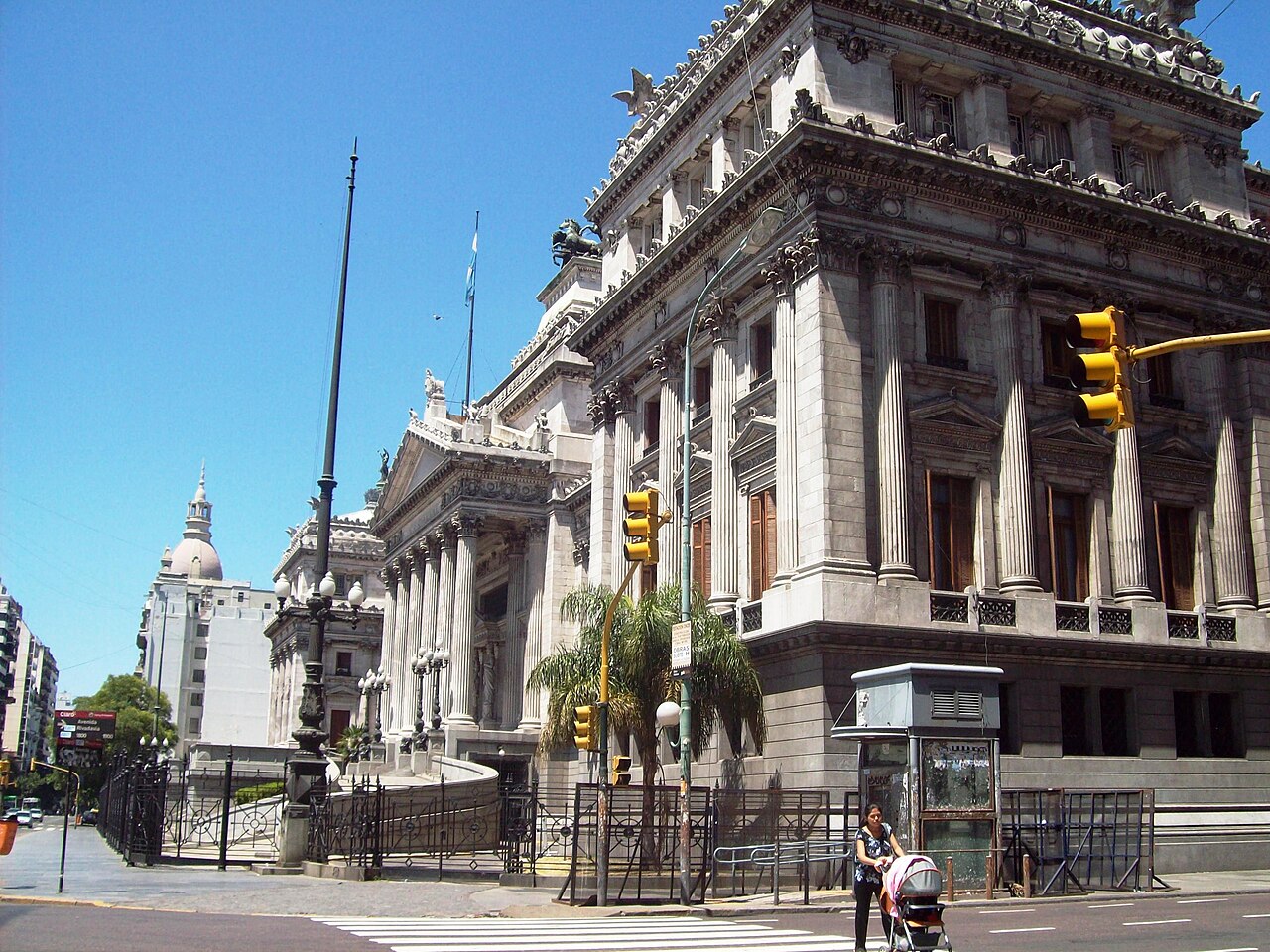
Quirno wrote on social media that the protocol allows the government to send the ARTI to Congress. The Milei government had warned Washington that it could not guarantee a parliamentary majority, iProfesional reported.
Milei’s party, La Libertad Avanza, leads the government but must still build a majority to ratify the Argentina trade deal. No vote counts or session dates have been published.
The protocol takes effect 60 days after both governments tell each other their internal procedures are complete. The US Embassy said both countries will keep working on ratification, and our earlier coverage of the ratification push tracks the path so far.
What It Means for You
American exporters of vehicles, medicines and medical devices would gain easier entry to Argentina once the agreement takes effect. US investors in lithium and copper would get faster project approvals and a stated preference for American partners.
Argentine exporters keep the promise of the standard US tariff rate, but it is no shield against new measures. Travellers and expats see no direct change, because the Argentina trade deal only covers tariffs, licences and investment rules.
Investors can read the deal alongside our report on Milei’s visit to Washington. The vote in Congress is now the main step that decides whether the Argentina trade deal takes effect.
What Is Not Known
No date has been set for the vote in Argentina’s Congress, and it is not clear whether Milei’s party has the numbers. The Argentina trade deal takes effect only after that vote and the notice from both sides.
The protocol gives no tariff percentage for Argentine goods after the court ruling. Which US duties now apply to Argentine exports is also not stated in the text.
More: Argentina news in English, every day from The Rio Times.
Frequently Asked Questions
What did Argentina and the US sign?
They signed a protocol that amends the tariff chapter of their Agreement on Reciprocal Trade and Investment, first signed on 5 February. Foreign Minister Pablo Quirno announced it on social media, and Argentine press reported the details on Thursday 15 October.
Why was the Argentina trade deal changed?
A US Supreme Court ruling struck down the emergency-powers basis of Trump’s reciprocal tariffs, which changed the tariff scale behind Argentina’s benefit. The protocol adapts the deal to the tariff laws Washington now relies on.
Does the Argentina trade deal guarantee low tariffs?
The US promises the standard most-favoured-nation rate for Argentine goods. That promise stays subject to US laws on national security, import surges and unfair trade, so new tariffs remain possible.
When does the Argentina trade deal take effect?
It takes effect 60 days after both governments confirm that their internal approval procedures are complete. In Argentina that means a vote in Congress comes first.
Sources: US Trade Representative, Protocol of Amendment to the Argentina ARTI, October 2026; US Trade Representative, Argentina Agreement on Reciprocal Trade and Investment, 2026; El Cronista, 15 October 2026; iProfesional, 15 October 2026.
This article was produced by The Rio Times’ automated newsroom system. How we use AI · Report an error · Editorial responsibility: Matthias Camenzind, Editor-in-Chief
In depth