Amazon Island Tension Tests Colombia and Peru’s Fragile Border Peace
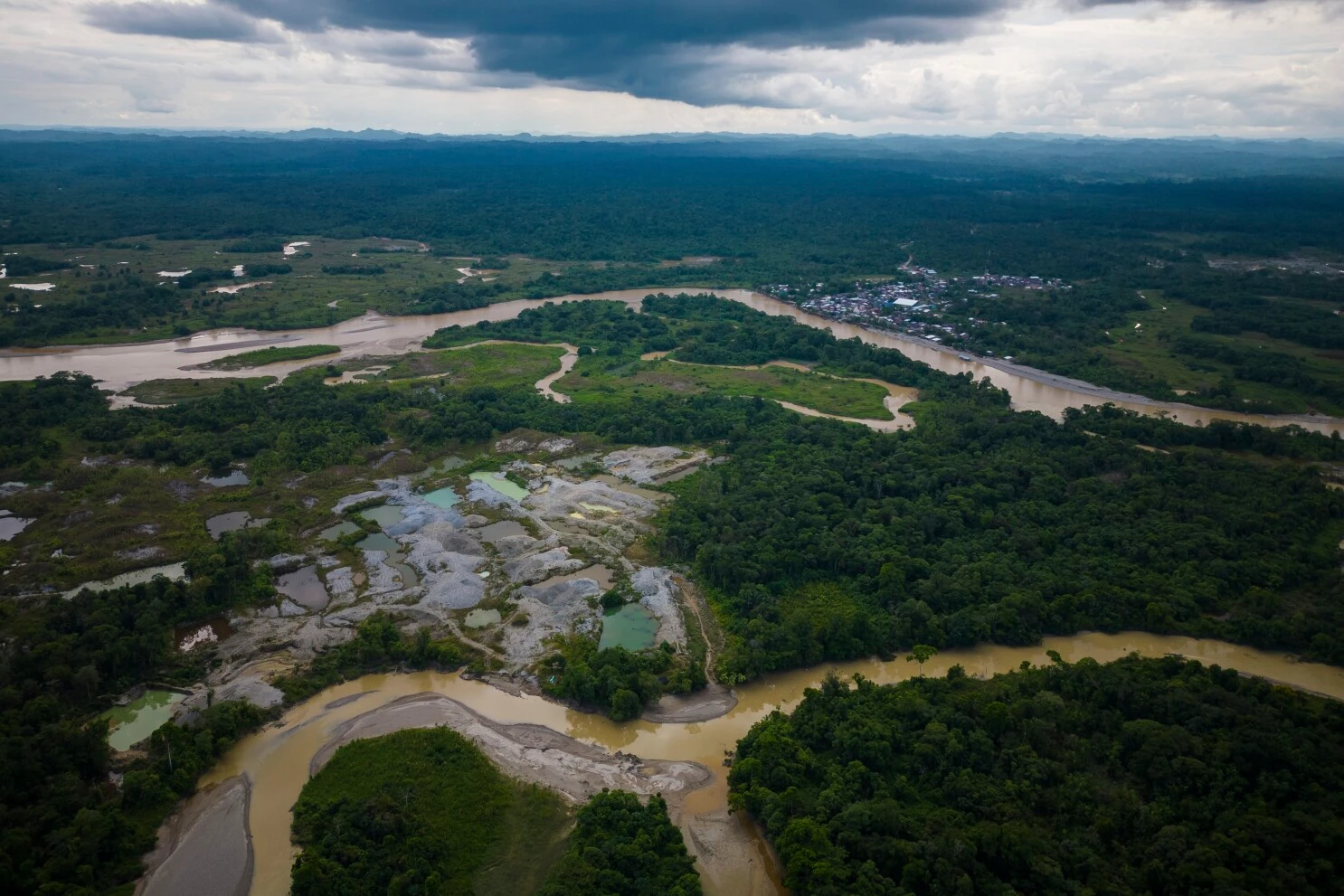
Colombia and Peru are in a tense standoff over Santa Rosa Island, a sandbar in the Amazon River where their borders meet Brazil.
The dispute has roots in history, but fresh changes in the riverbed have brought it back into the spotlight. Both governments have released strong official statements claiming the island and accusing each other of breaking long-standing border agreements.
Peru recently turned Santa Rosa into a formal district in its Amazonian Loreto region. This move prompted Colombian President Gustavo Petro to accuse Peru of overstepping and violating the 1934 Rio de Janeiro Protocol.
That protocol fixed the border using the river’s deepest channel at the time, but natural river shifts and new islands—like Santa Rosa—create gray areas.
River islands can appear, vanish, or move closer to one side, making agreements signed decades ago hard to apply to today’s landscape.
Peru insists Santa Rosa has always been its territory and cites the 1922 treaty that recognized Peruvian management of Amazonian islets.
The Ongoing Territorial Dispute Between Peru and Colombia
Peru’s foreign ministry points to proof of Peruvian administration, local elections, and steady control of the area. Colombia claims newer river land, such as Santa Rosa, must be assigned only with joint agreement because the shifting terrain always poses uncertainty.
This legal and territorial fight is not just about paper and principle. It directly impacts Leticia, Colombia’s main Amazon port of nearly 60,000 people. Leticia depends on open river access for trade, food, and daily goods.
Colombian officials warn that if Peru’s claim stands, Leticia’s economy and supply routes could suffer. According to Colombian government figures, Leticia serves as a hub for jobs and commerce for the entire Amazonas department.
Behind these headlines is a history of mistrust. Colombia and Peru fought a brief war in 1932-33 over Amazon territory. Since then, they have relied on treaties, but regular river changes have forced them to keep re-negotiating their border.
A recent cooling of diplomatic relations—starting in 2022 with the recall of ambassadors—left both governments less able to settle surprises quickly.
More: Colombia news in English, every day from The Rio Times.
This article was produced by The Rio Times’ automated newsroom system. How we use AI · Report an error · Editorial responsibility: Matthias Camenzind, Editor-in-Chief