Africa Intelligence Brief — Saturday, October 17, 2026
Executive Summary
Africa Intelligence Brief for October 17: Nigerian fishing community faces hunger after plane crash; church suspends archbishop amid probe.
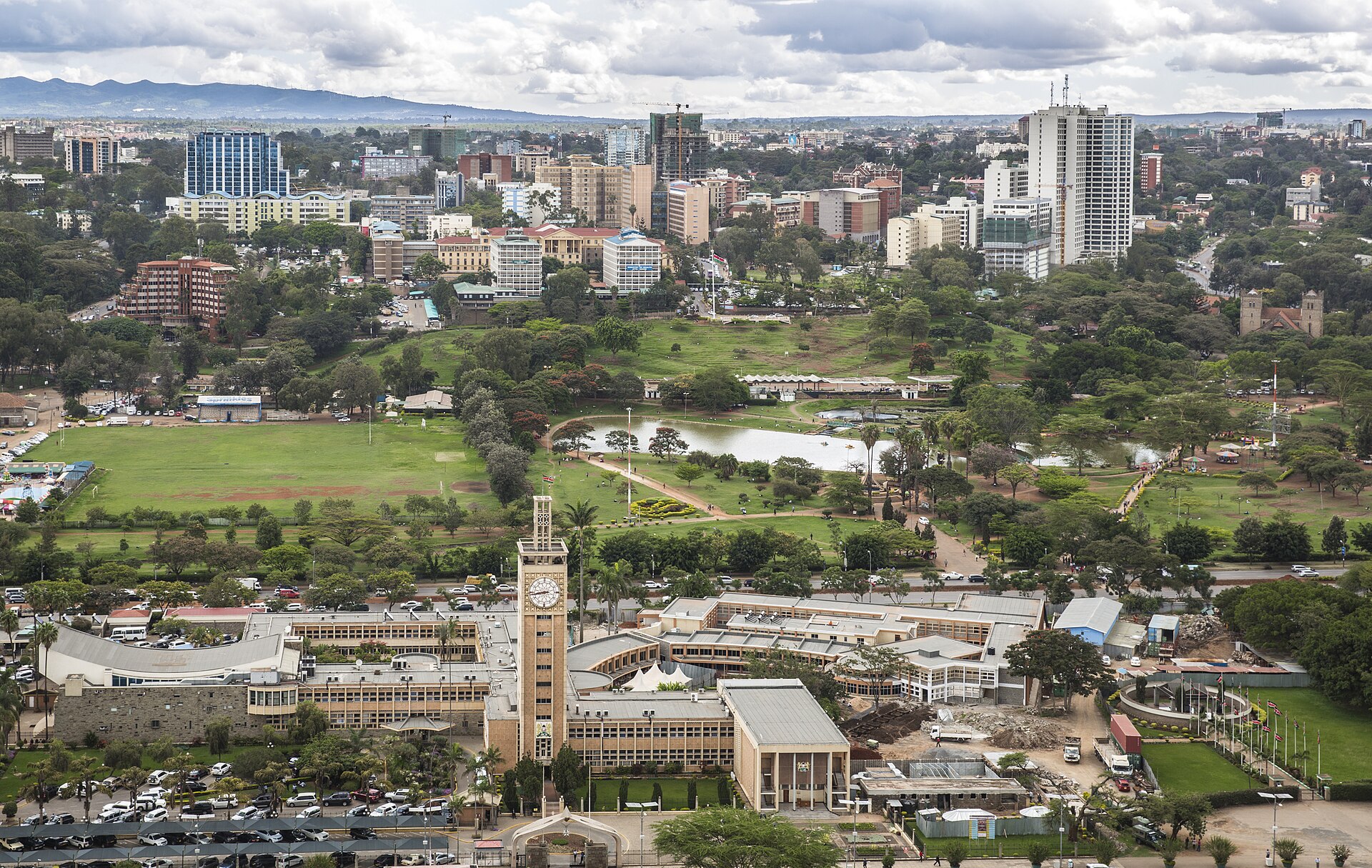
Africa’s temper this Saturday is one of localised strain rather than continental crisis: the available reporting is dominated by Nigeria, where a fishing community is hungry, a church is investigating its bishop, and the government is borrowing at rising cost. The absence of broader regional coverage is itself a signal that the day’s attention has narrowed to domestic Nigerian pressures and one Kenyan institutional conversation. The mood is not one of collapse but of accumulated grievance, where communities and institutions are testing whether promises and procedures still hold.
The register is a mixture of official repair and public anger. Ogun State’s governor is announcing support for ten thousand farmers, Enugu State is scheduling a gratuity payment, and the Church of Nigeria is imposing a six-month leave on a metropolitan archbishop, while residents of Igbokoda describe lost income and food shortages after a military aircraft crash. Leaders are speaking the language of intervention and accountability, but the public response suggests that trust is thin and that institutions are being watched closely for whether they deliver. The emotional tone is defensive on the part of authorities and impatient on the part of citizens.
The through-line is that everyday vulnerability and institutional credibility are now tightly linked. A plane crash becomes a livelihood emergency, a bishop’s alleged land sale becomes a test of church governance, and a Treasury-bill auction becomes a measure of how much the state must pay to borrow. The day’s events are not isolated; they are expressions of a society where citizens are demanding that institutions account for their failures even as the state struggles to finance its own obligations.
Key Facts
Ondo crash impact. About 1,500 fishermen and boat operators lost income after the 5 October aircraft crash.
Sokoto operation. Nigerian soldiers killed two suspected terrorists and recovered four AK-47 rifles.
Treasury-bill auction. .
Church suspension. Archbishop Alexander Ibezim was directed to take six months’ leave amid an investigation.
Enugu gratuities. .
Nigeria: Hunger And Accountability Collide
The report that roughly 1,500 members of the Ilaje Fishermen Association in Igbokoda have been struggling to earn income and obtain food since the 5 October Nigerian Air Force aircraft crash reveals how a single incident can unravel a community’s economic base. PUNCH reported on 17 October that the association’s chairman, Festus Ikuomola, described severe losses of income, though this remains reported testimony rather than an official national assessment. The mood in the affected area is one of abandonment, where residents are waiting for relief that has not yet arrived.
A US reader should read this as a reminder that security incidents in Nigeria often have a humanitarian tail that outlasts the immediate news cycle. The same day’s reporting on public outrage after the death of gospel singer Olayemi Bolaji, known as Toluwanisings, amid allegations that hospitals failed to provide emergency treatment, reinforces a broader pattern of citizens feeling that institutions are not there when they are needed. The University College Hospital denied that he had been brought to its facilities, but the anger itself is the political fact.
Nigeria: The Church As A Governance Arena
The Church of Nigeria’s decision to suspend Awka Bishop and Metropolitan Archbishop on the Niger Alexander Ibezim and direct him to take six months’ leave, citing investigations into allegations including an alleged ₦2 billion land sale, shows that accountability pressures are not confined to the state. Premium Times reported on 17 October that the directive was dated Tuesday, 13 October 2026. The church is acting to contain a reputational crisis before it deepens.
A US reader should see this as evidence that Nigerian institutions, including religious ones, are being forced to respond to public expectations of transparency. The alleged land sale involves a sum that is significant in a country where state budgets are under pressure and where citizens are increasingly vocal about corruption. The interim appointment suggests an effort to maintain continuity while the investigation proceeds, but the underlying question is whether the church can discipline its own senior figures without splitting its membership.
Nigeria: Borrowing Costs And Federalism Debates
The Debt Management Office’s Treasury-bill auction this week signals that the federal government is paying more to finance itself. The mood among fiscal policymakers is likely one of caution, aware that every basis point increase adds to debt-service pressure.
At the same time, a conference of law-reform commissions has called for stronger state powers, local-government autonomy and changes to Nigeria’s federal structure, following a meeting held 28–29 September 2026. PUNCH reported on 17 October that the communiqué reflected a push to rebalance authority between the centre and the states. A US reader should see the two stories together: the federal government is borrowing under strain while subnational actors are demanding more control over resources and decisions, a tension that will shape Nigeria’s political economy for years.
Kenya: Reform Rhetoric And Regional Representation
Kenya’s available reporting this Saturday is institutional rather than populist: UNDP Assistant Secretary-General Ahunna Eziakonwa, speaking at a Nairobi meeting ahead of an October Trust Summit, called for accountable institutions, fulfilled commitments and a stronger African role in global decision-making. KBC Digital reported on 17 October that the meeting was preparatory, suggesting that Kenya is positioning itself as a convening space for governance and development conversations. The mood is one of diplomatic ambition, even if the public’s daily concerns are not visible in this narrow slice of reporting.
A US reader should note that Kenya’s GDP growth rate for the second quarter came in at 5.1 per cent, above the 4.6 per cent forecast, according to data released on 16 October. That economic resilience may explain why the Nairobi conversation is focused on institutional quality and global representation rather than immediate crisis management. The contrast with Nigeria is instructive: one country is debating federalism and borrowing costs, while the other is projecting itself as a regional voice on governance.
What This Means From Latin America
Nigeria’s Treasury-bill auction is a reminder that high borrowing costs are not unique to Latin America’s fiscal debates. Latin American governments facing similar pressures to finance deficits without losing market confidence will recognise the trade-off between accepting expensive debt and rejecting bids.
The federalism debate in Nigeria also echoes Latin American struggles over centralisation and local autonomy. Calls for stronger state powers and local-government autonomy, reported by PUNCH on 17 October, parallel long-running tensions in countries such as Mexico and Brazil over fiscal federalism and resource control. The underlying question of how to balance national cohesion with regional demands is shared across the Global South.
What We Are Watching
- Wednesday 21 October: South Africa’s core inflation rate — September data is due at 4:00 a.m. ET with a forecast of 4.1 per cent against 4.1 per cent. Stability would suggest underlying price pressures are not accelerating.
- Wednesday 21 October: South Africa’s inflation rate — September data is due at 4:00 a.m. ET with a forecast of 4.6 per cent against 4.4 per cent. A rise would test the central bank’s stance and public tolerance for price pressures.
- Wednesday 21 October: South Africa’s retail sales — August data is due at 7:00 a.m. ET with a forecast of 1.8 per cent year-on-year against 3.4 per cent. A slowdown would signal weakening consumer demand.
- Thursday 22 October: Morocco’s inflation rate — September data is due at 4:00 a.m. ET with a forecast of 1 per cent against 0.8 per cent. A rise would add to cost-of-living pressures in a key North African economy.
- Week beginning Monday 19 October: Enugu State gratuity tranche The timing will test the state’s ability to deliver on its promises to retirees.
Background: Africa: The New Scramble — why the world’s powers are competing for the continent.
Frequently Asked Questions
What happened to the Ilaje fishermen after the Ondo aircraft crash?
PUNCH reported on 17 October that about 1,500 members of the Ilaje Fishermen Association in Igbokoda have been struggling to earn income and obtain food since the 5 October Nigerian Air Force aircraft crash. The association’s chairman, Festus Ikuomola, described severe losses of income, though this remains reported testimony rather than an official national assessment.
Why was Archbishop Alexander Ibezim suspended?
the Church of Nigeria suspended Awka Bishop and Metropolitan Archbishop on the Niger Alexander Ibezim and directed him to take six months’ leave, citing investigations into allegations including an alleged ₦2 billion land sale.
What did Nigeria’s Treasury-bill auction show?
The 364-day stop rate rose to 15.85 per cent at the 7 October auction.
What is Kenya’s current economic and institutional focus?
KBC Digital reported on 17 October that UNDP Assistant Secretary-General Ahunna Eziakonwa, speaking at a Nairobi meeting ahead of an October Trust Summit, called for accountable institutions, fulfilled commitments and a stronger African role in global decision-making. Kenya’s GDP growth rate for the second quarter was 5.1 per cent, above the 4.6 per cent forecast, according to data released on 16 October.
This article was produced by The Rio Times’ automated newsroom system. How we use AI · Report an error · Editorial responsibility: Matthias Camenzind, Editor-in-Chief
LatAm Markets: Live Signals → — real-time movers, turnover leaders and FX across Latin America.