Kenyan Builders Sue, Saying Tax Breaks Help Chinese Firms Underbid Them
Kenya · BUSINESS
Key Facts
- —The country Kenya is East Africa’s business hub, with 57.5 million people and a US$136 billion economy, slightly larger than Hawaii’s. Chinese state firms built many of its flagship roads, railways and ports.
- —Why it matters China is Kenya’s largest bilateral lender, owed about US$4.8 billion, largely for the Mombasa-Nairobi railway. Local builders say Chinese contractors also enjoy tax breaks that Kenyan firms cannot get.
- —Why now Kenyan media reported the petition in August 2026, and it returns to court on 6 October. Kenya, rated by the World Bank at high risk of debt distress, needs tax revenue.
- —What happened Contractors and truck owners asked Nairobi’s High Court to force publication of every tax break granted to Chinese-built projects since 1 January 2008.
- —Who is involved An advocacy group, a small-business association and two haulage firms are suing. They name the Mombasa-Nairobi railway, Nairobi Expressway, Thika Superhighway and Lamu Port, all built by Chinese firms.
- —What it means for you For firms bidding on Kenyan public works, a ruling could expose what foreign rivals pay in tax. Petitioners put their cost gap at 25 to 35 percent.
- —Still open The Attorney-General, the government’s chief legal adviser, calls it a purely commercial dispute filed in the wrong court. No ruling has been reported.
Chinese state firms built Kenya’s flagship railway and Nairobi’s expressway. Kenyan contractors say unpublished Chinese tax breaks let such firms underbid them, and have taken the state to court.
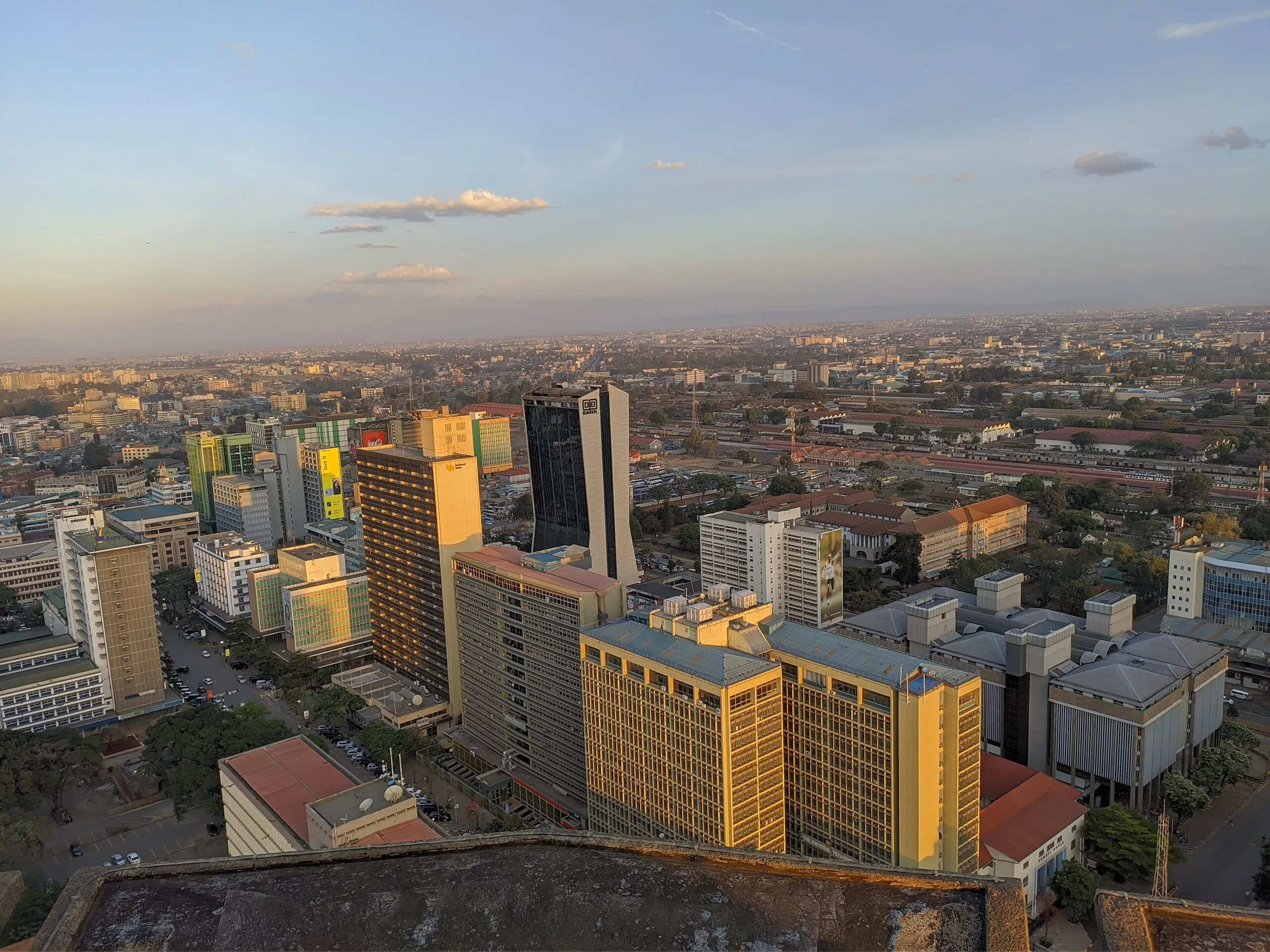
Kenyan contractors and truck owners want the High Court in Nairobi to force publication of tax breaks for Chinese-built projects. The petition covers tax exemptions, customs duty waivers and other concessions granted since 1 January 2008.
What the petition demands
The petitioners include the African Centre for Corrective and Preventive Action (ACCPA), an advocacy group, and an association of small businesses. Two lifting and haulage companies, Swan Movers Lifters Limited and Universal Lifters Limited, are also petitioners.
The case, reported by Kenyan media in August 2026, is before the High Court at the Milimani Law Courts in Nairobi. The petitioners want the government to publish every legal notice, gazette notice or directive that granted such concessions.
They argue that concessions granted without published legal notices breach constitutional rules on access to information, public finance and taxation. They want such arrangements declared unconstitutional, null and void.
They also want the Kenya Revenue Authority (KRA), the national tax collector, to audit all vehicles and machinery imported duty-free since 2008. Another order sought would bar agencies from awarding contracts priced on tax advantages that Kenyan firms cannot get.
The petition names four flagship projects: the Mombasa-Nairobi Standard Gauge Railway, the Nairobi Expressway, the Thika Superhighway and Lamu Port. Chinese firms built all four, and Chinese loans or investment financed the railway, the expressway and part of the Thika road.
The money at stake
The petitioners cite reports by the Auditor-General, Kenya’s public audit watchdog, on revenue lost to tax exemptions. Those reports, they say, put the loss at KSh41.2 billion (about US$318 million) in the 2023/24 financial year.
Dollar figures in this article use 129.5 shillings per US dollar, the open.er-api.com rate on 24 September 2026.
A separate tax case shows how the KRA pursues Chinese contractors. On 9 August 2024, the Tax Appeals Tribunal, a specialist tax court, dismissed an appeal by China Communications Construction Company (CCCC).
It upheld a KRA assessment of KSh1,047,557,661 (about US$8.1 million) in value added tax and corporation tax for 2016 to 2022. The tribunal found the company took part in an elaborate scheme to avoid tax, using invoices from shell companies.
That case concerned tax avoidance, not exemptions, so it is separate from the petition. It still matters because CCCC, a Chinese state-owned group, owns China Road and Bridge Corporation, which built the railway and the expressway.
Why local contractors are frustrated
The petitioners say foreign contractors import trucks and heavy machinery duty-free for a project, then keep using them in Kenya afterwards. ACCPA executive director John Maingi Macharia said the machines are neither re-exported nor properly audited.
Local firms buying similar equipment pay import duty, an import declaration fee and a railway development levy. The petitioners say this makes a truck at least 51 percent more expensive for a local operator.
They put the overall cost gap at 25 to 35 percent, enough for foreign rivals to underbid Kenyan firms. Some members now face insolvency after losing contracts and defaulting on equipment loans, they say.
Macharia said Japanese contractors received exemptions through a published 2021 gazette notice, unlike Chinese contractors on the four named projects.
Kenya has tried to protect local firms before. Since 2014, National Construction Authority rules have required foreign contractors to share at least 30 percent of contract value with Kenyan firms.
The petitioners say many affected firms held back from suing for fear of being blacklisted from government tenders.
The wider tax waiver debate
The petition lands amid long-running scrutiny of tax waivers for foreign companies in Kenya. In 2023, parliament’s finance committee questioned a KSh1.92 billion (about US$14.8 million) tax waiver linked to Chinese technology firm Huawei.
The Treasury granted that waiver in July 2022, covering withholding tax on payments to Huawei for laying fibre-optic cable. The new petition carries that scrutiny into infrastructure, where the projects involved are far larger.
The petition also covers “any related project” beyond the four it names. A ruling for the petitioners could therefore reach well beyond the railway, the expressway, the Thika road and Lamu.
China’s infrastructure footprint under pressure
Chinese state-owned contractors have built many of Kenya’s flagship infrastructure projects, from the Standard Gauge Railway to the Nairobi Expressway. That work is part of a wider Chinese push that has reshaped how African roads, ports and railways are financed and built.
The Kenya case fits into a pattern of rising scrutiny of Chinese lending and contracting across the continent. Governments that once welcomed Chinese capital are now asking harder questions about the terms attached to it.
For investors watching East Africa, the petition tests whether unpublished Chinese tax breaks can survive in court. The outcome could change how future infrastructure deals are structured in Kenya and beyond.
The wider contest over infrastructure finance in Africa is a central theme of Africa: The New Scramble.
What to watch next
The Attorney-General, the government’s chief legal adviser, has opposed the petition. The office argues the dispute is “purely commercial” and belongs outside the High Court’s Constitutional and Human Rights Division.
No ruling has been reported, and the case is next due in court on 6 October. If the court sides with the petitioners, the state would have to publish the full record of concessions granted since 2008.
Chinese contractors and the agencies that hire them will be watching, since existing concessions could be quashed. The court’s answer could reset the rules for future infrastructure deals in Kenya.
The core question is simple: should Kenyan taxpayers know what tax benefits the state gives foreign contractors?
Frequently Asked Questions
What is the Kenyan contractors’ petition about?
The petitioners want the government to publish all tax exemptions and customs duty waivers granted to Chinese-financed projects since 1 January 2008. They argue Chinese tax breaks granted without published legal notices are unconstitutional.
Which projects are named in the petition?
The petition names the Standard Gauge Railway, the Nairobi Expressway, the Thika Superhighway and Lamu Port. Chinese firms built all four.
What was the tax ruling against Chinese builder CCCC?
On 9 August 2024, the Tax Appeals Tribunal dismissed CCCC’s appeal and upheld a KRA assessment of KSh1,047,557,661 (about US$8.1 million). The case concerned tax avoidance, not exemptions.
What happens if the court rules for the contractors?
The state would have to publish the legal basis for concessions granted to Chinese-financed projects since 2008. Concessions granted without that authority could be declared unconstitutional and quashed.
Connected Coverage
Sources
- aggbusiness.com
- kenyans.co.ke
- kbc.co.ke
- citizen.digital
- businessdailyafrica.com
- kenyalaw.org
- theeastafrican.co.ke
More Africa news: Nigeria | South Africa | Kenya | Egypt | Ghana | Morocco | DR Congo | Angola | Ethiopia | Tanzania
This article was produced by The Rio Times’ automated newsroom system. How we use AI · Report an error
LatAm Markets: Live Signals → — real-time movers, turnover leaders and FX across Latin America.
Read More from The Rio Times