Mexico’s San Miguel De Allende Hosts FASMA 2026, 50+ Free Events
Art & Culture: San Miguel de Allende
Key Facts
—Event. The fourth Festival de las Artes de San Miguel de Allende (FASMA) 2026 runs from 7 to 23 August in the Guanajuato city.
—Scale. More than 100 activities and over 20 cultural organizations span music, opera, theatre, dance, cinema, literature and visual arts.
—Access. Organizers say more than half of all activities are free, with public concerts staged in the Jardín Principal and other open spaces.
—Guest. France is the 2026 guest country, chosen as the festival coincides with the city’s bicentennial as a municipality.
—Highlights. The program features Beethoven’s Ninth Symphony with four choirs and an opening night at the Instituto Allende on 7 August.
San Miguel de Allende hosts the fourth edition of its arts festival, FASMA, from 7 to 23 August 2026, with more than 100 events, France as guest country and most of the program free.
San Miguel de Allende’s Biggest Cultural Season
San Miguel de Allende, the UNESCO-listed colonial city in the central Mexican state of Guanajuato, is staging the fourth edition of its arts festival, FASMA, from 7 to 23 August 2026. Local authorities describe the event as consolidating the city’s status as one of Mexico’s leading cultural destinations.
The Festival de las Artes de San Miguel de Allende brings together more than 100 activities and over 20 cultural organizations across two and a half weeks, in a program aimed at audiences of all ages.
For a city already popular with foreign residents and tourists, the festival concentrates a dense arts calendar into the height of the summer travel season.
What FASMA Is and How It Works
FASMA is a multidisciplinary festival spanning music, opera, theatre, dance, cinema, literature and contemporary visual arts, plus dedicated programming for children and young people. It is the product of collaboration between civil society, cultural institutions and the municipal government.
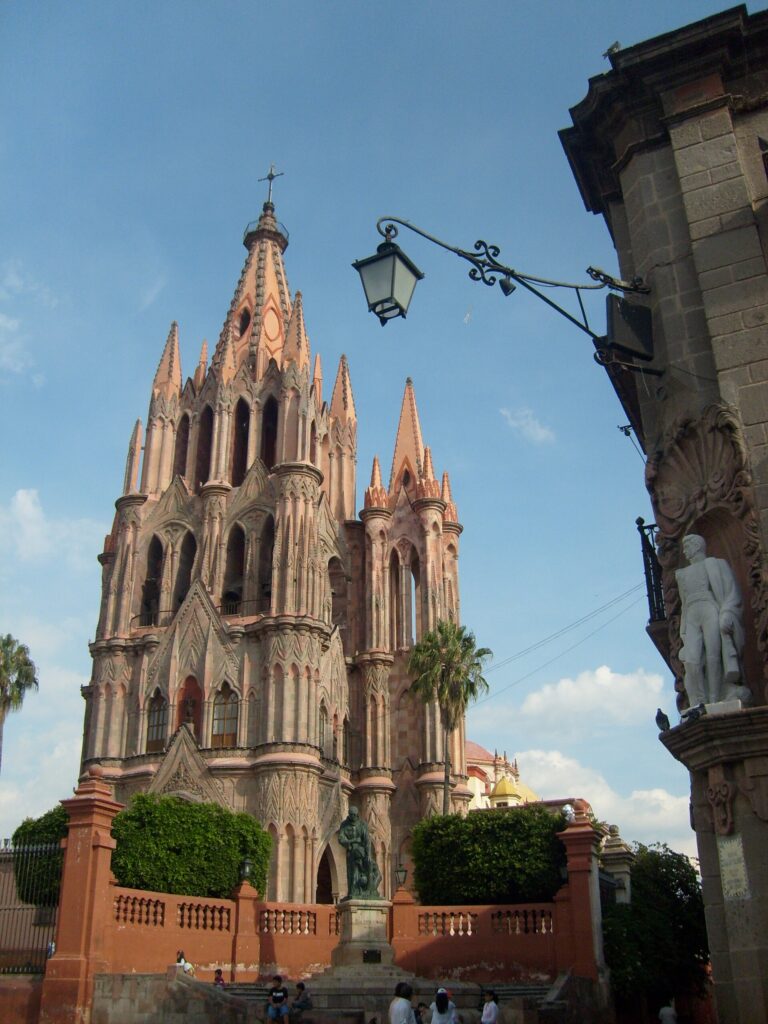
Organizers say more than half of the festival’s activities are free, with public concerts and events staged in central spaces such as the Jardín Principal, the city’s main square in front of its landmark pink church.
That mix of ticketed and free programming is designed to widen access, drawing both paying audiences and casual passers-by into the festival’s orbit.
Now in its fourth year, FASMA has grown from a local initiative into an event that organizers say draws thousands of national and international visitors. Its expansion reflects a deliberate push to position culture as a driver of tourism and local development, alongside the city’s established galleries, artist residencies and year-round arts scene.
France as Guest Country and the City’s Bicentennial
The 2026 edition names France as its guest country, as the festival coincides with a milestone anniversary for the city. The year marks 200 years since San Miguel de Allende was formally recognized as a municipality.
Guest-country programming typically brings visiting artists, films and exhibitions, giving local audiences exposure to an international scene while reinforcing cultural diplomacy. For a city with a large foreign community, the French focus adds another layer of international flavour.
Program Highlights: Beethoven, Opera and Open-Air Concerts
Among the flagship events is a performance of Beethoven’s Ninth Symphony, bringing together four choirs and musicians from the states of Guanajuato and Querétaro. Large-scale choral works like this are a recurring draw at the festival.
The program also includes a recital by a Vatican organist, alongside opera, theatre and dance. The opening on 7 August is set for the Instituto Allende, followed the same evening by a free concert from the Guanajuato State Music Band in the main square.
The breadth of the lineup, from classical concerts to contemporary visual art, is intended to give each of the festival’s days a distinct centre of gravity.
Why It Matters for a World Heritage Town
San Miguel de Allende’s historic centre is a UNESCO World Heritage Site, and its economy leans heavily on cultural tourism. A festival of this scale reinforces that identity and helps spread visitor traffic through the middle of August.
The municipal government frames the festival as part of a long-term cultural strategy it calls “El Modelo San Miguel,” which seeks growth without eroding the city’s historic character. The full program is published on the festival’s official website.
For local businesses — hotels, restaurants and galleries — a packed August calendar helps sustain demand during a period that competes with beach destinations elsewhere in Mexico.
What Expats and Visitors Should Know
San Miguel de Allende is home to one of Latin America’s best-known communities of American and Canadian retirees and remote workers, and English is widely spoken in its centre. FASMA is an accessible way for newcomers to plug into the local arts scene.
Because many events are free and staged outdoors, visitors can sample the festival without advance planning, though flagship concerts may require tickets booked ahead.
With more than 100 activities packed into 17 days, the practical challenge for attendees is less about finding something to do than about choosing between overlapping options.
Frequently Asked Questions
When is FASMA 2026 in San Miguel de Allende?
The fourth Festival de las Artes de San Miguel de Allende (FASMA) runs from 7 to 23 August 2026, with more than 100 activities across the Guanajuato city.
Is FASMA free to attend?
Organizers say more than half of the festival’s activities are free, including public concerts in central spaces such as the Jardín Principal. Some flagship events are ticketed.
What are the highlights of FASMA 2026?
France is the guest country, and highlights include Beethoven’s Ninth Symphony with four choirs, a Vatican organist recital, and an opening night at the Instituto Allende on 7 August.
Sources
Quadratín Bajío · El Sol del Bajío · The Yucatán Times · FASMA
Sources: Quadratín Bajío, El Sol del Bajío, The Yucatán Times, FASMA.
This article was produced by The Rio Times’ automated newsroom system. How we use AI · Report an error
Read More from The Rio Times