Argentina’s State Oil Giant Teams Up With Tesla on EV Charging
Markets · Companies
—The deal. Argentina’s state oil company YPF signed a letter of intent with Tesla.
—The scope. They will explore fast electric-car charging, energy storage and new technology.
—The pivot. An oil champion is positioning itself for a future built on electricity.
—The backdrop. Cheap Chinese electric cars have been flooding into Argentina under a new tax break.
—The catch. For now it is only a letter of intent, not a binding contract.
—The stake. Whoever builds the charging network shapes how Argentina goes electric.
The YPF Tesla deal is a first step that could reshape how Argentina powers its cars, and a sign of how an oil giant is hedging its own future.
An oil company plugs in
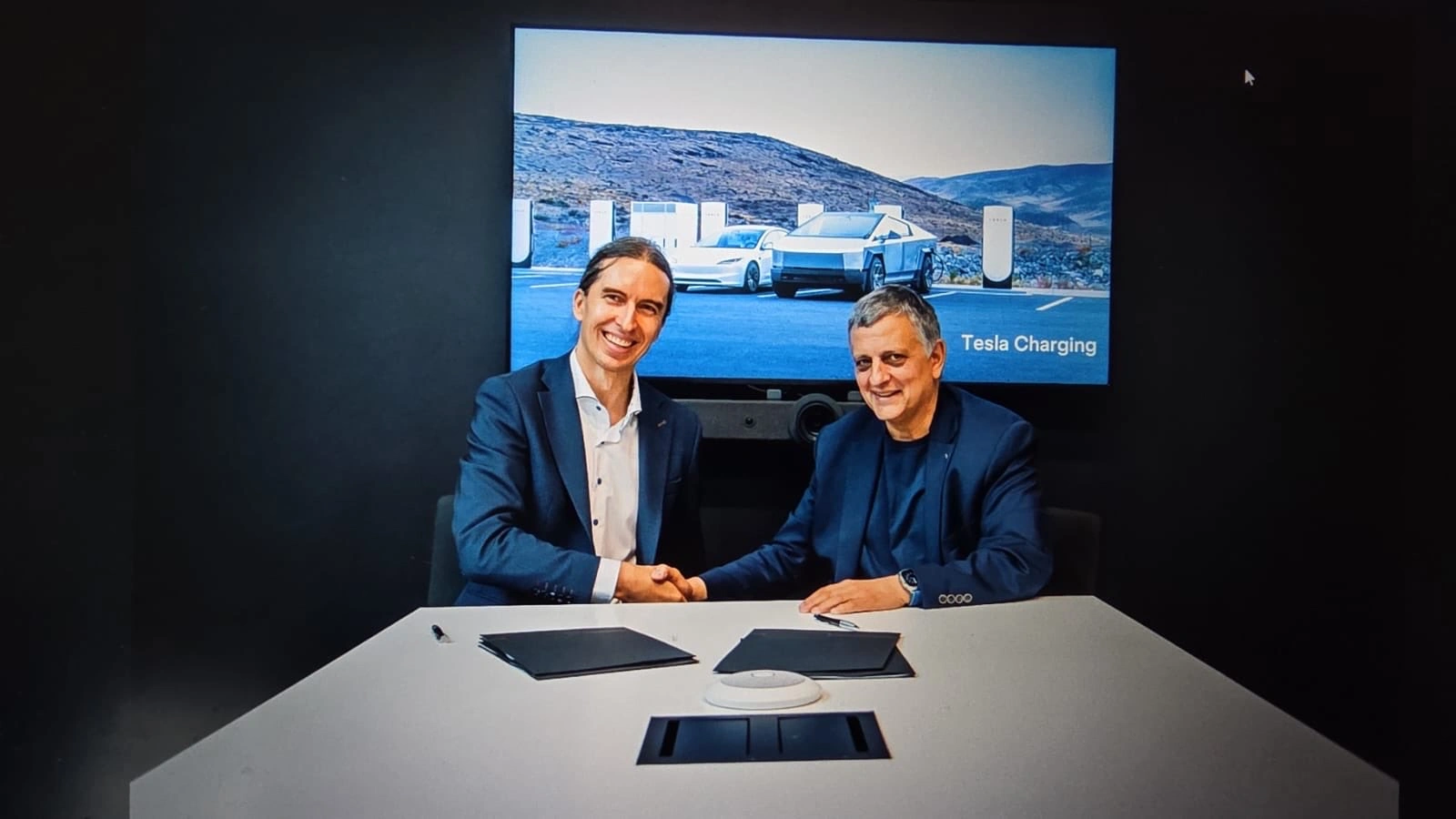
Argentina’s state-controlled oil company, YPF, has signed a letter of intent with Tesla to explore building a network of fast chargers for electric vehicles across the country, along with energy-storage projects.
The agreement was reached when YPF’s chief executive visited Tesla’s main factory in Texas, meeting one of the carmaker’s senior energy executives. The two sides framed it as a first step in a possible wider partnership.
For readers outside the region, the significance lies in who is involved. YPF is not a small player: it is Argentina’s dominant fuel retailer and a central force in the country’s vast Vaca Muerta shale fields.
What the YPF Tesla deal would involve
The plan centres on three areas. The first is fast-charging stations, the electric equivalent of petrol pumps, which YPF could add to its large network of service stations across Argentina.
The second is energy storage, the big batteries that store electricity for later use. Tesla makes such systems, and they are increasingly important for stabilising power grids that rely on renewable energy.
The third is broad technological collaboration, a catch-all that signals both sides want to keep options open as electric mobility and energy systems evolve over the coming years.
It is worth stressing the limits. A letter of intent is an exploratory agreement, not a binding contract, so the partnership could grow into something large or quietly fade.
For now, the signal matters more than the substance, marking intent rather than committed investment on the ground.
Live Company IntelligenceYPF Sociedad Anonima — the full investor dossier
Wall Street view
Valuation & profitability
Price & risk
$24.0052-wk high
$57.87
Revenue trend · 6y
Ownership
Dividend
Why an oil giant is going electric
At first glance it seems odd for an oil company to invest in the technology that could one day replace its main product. But the logic is straightforward, and oil majors worldwide are making similar moves.
YPF already owns the most valuable real estate for charging: hundreds of service stations in prime locations. Adding chargers lets it keep selling energy to drivers even as those drivers switch from petrol to electricity.
It is also a hedge. By building a foothold in charging and storage now, YPF protects itself against the slow decline of fuel demand and positions itself in the energy system of the future.
For Tesla, the appeal is a ready-made partner with the locations, brand and local knowledge to roll out infrastructure quickly in a market where it has little physical presence of its own.
The China factor
There is a competitive subplot. Late last year Argentina opened the door to electric and hybrid imports, allowing tens of thousands of such vehicles in each year with no import tariff, on one condition.
The cars had to be cheap, with a factory price below a set ceiling. That rule has overwhelmingly favoured Chinese brands, whose low-cost models fit comfortably under the cap, while pricier Western cars such as Tesla’s do not.
The result has been a surge of inexpensive Chinese electric cars into Argentina, echoing a pattern across Latin America as Chinese manufacturers expand aggressively into the region’s markets.
Seen against that backdrop, the tie-up with YPF gives Tesla a way to plant its flag in Argentina through infrastructure rather than car sales, building presence even where its vehicles are priced out.
Why it matters for investors
The deal is a small but telling marker of how Argentina’s energy landscape is shifting under a government keen to attract foreign investment and modernise the country’s infrastructure.
For YPF, charging and storage are unlikely to rival oil revenues soon, but they show a company thinking beyond its core business and seeking partners with cutting-edge technology.
For the wider region, it highlights a coming contest over who builds the backbone of electric transport, with American, Chinese and local players all manoeuvring for position.
The caution, as ever, is to watch what follows the announcement. Letters of intent are cheap to sign; the real test will be whether chargers and batteries actually get built on the ground.
Background: Latin America’s auto market.
More: Argentina news in English, every day from The Rio Times.
Frequently Asked Questions
What is the YPF Tesla deal?
It is a letter of intent between Argentina’s state oil company YPF and Tesla to explore building fast electric-vehicle charging networks and energy-storage projects in Argentina. It was signed during a visit by YPF’s chief executive to Tesla’s factory in Texas.
Why would an oil company invest in EV charging?
YPF already owns hundreds of well-located service stations, ideal sites for chargers, and wants to keep selling energy to drivers as they switch to electric cars. Building a foothold now also hedges against the long-term decline of petrol demand.
How does it relate to Chinese electric cars?
Argentina’s tariff-free import quota favours cheap models that fit a price cap, which has boosted Chinese brands over pricier ones like Tesla. Partnering with YPF on infrastructure lets Tesla build a presence in Argentina even where its cars are too expensive to qualify.
Connected Coverage
Argentina Economy 2026: Milei’s Shock Therapy and the Road Ahead
This article was produced by The Rio Times’ automated newsroom system. How we use AI · Report an error · Editorial responsibility: Matthias Camenzind, Editor-in-Chief