Peru Bets on Uranium and Lithium in a Remote Andean Plateau
Mining
Key Facts
—The place. The Macusani plateau in Peru’s Puno region holds two flagship deposits: the Falchani lithium project and the Macusani uranium project.
—The scale. Owner American Lithium calls Falchani one of the world’s largest hard-rock lithium finds and Macusani the largest undeveloped uranium project in Latin America.
—The money. The company has raised planned Falchani investment 22% to about $847m, including an on-site refinery.
—The policy. On 2 June Peru issued a supreme decree declaring uranium and lithium of national importance.
—The politics. President-elect Keiko Fujimori, declared the winner on 3 July, has promised stability and investment; she takes office on 28 July.
Peru lithium and uranium have spent years stuck in courtrooms. Now, on a high plateau in the country’s south, they are starting to look like a real investment story.
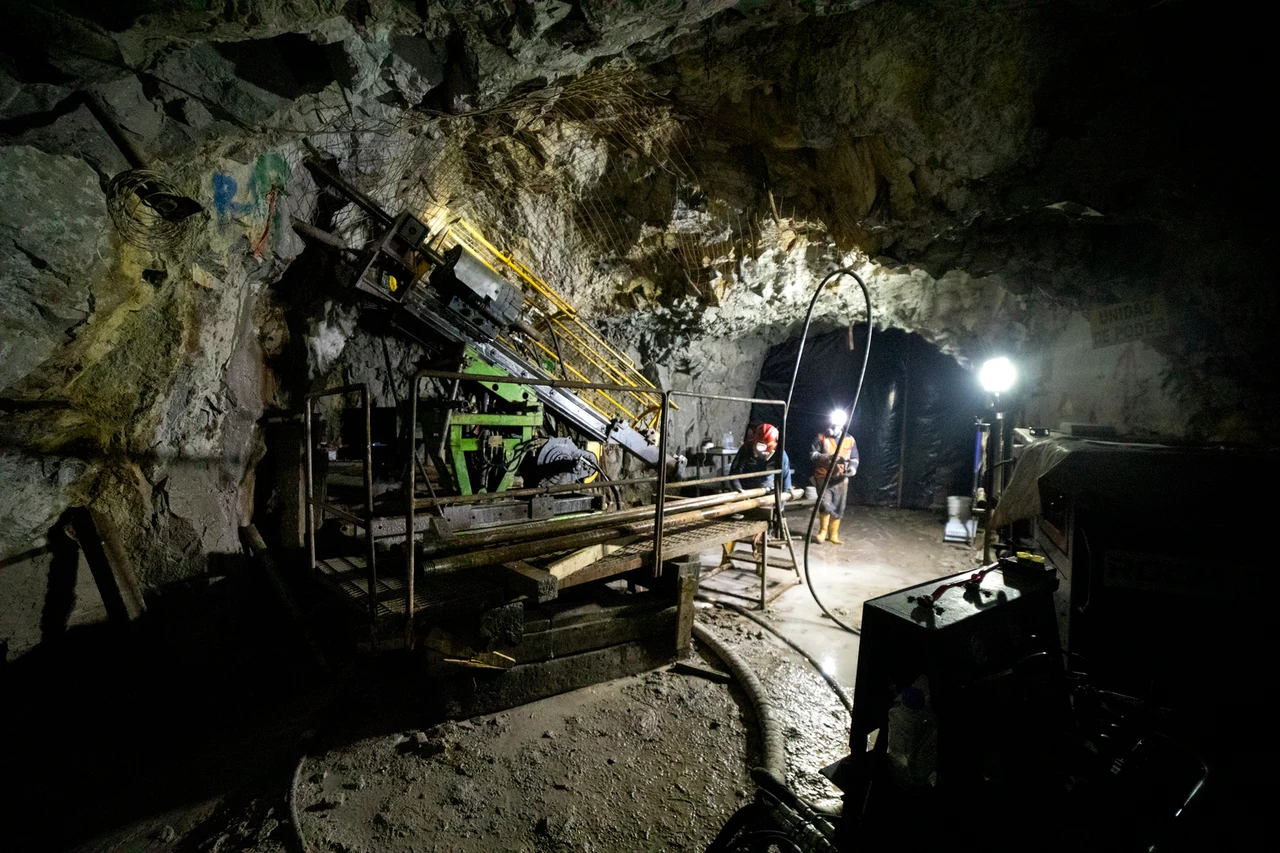
The setting is the Macusani plateau, in the Andean region of Puno, some 650 kilometres from Lima. It sits on the edge of the so-called lithium triangle shared by Chile, Argentina and Bolivia.
Two projects give the plateau its weight. Falchani is a hard-rock lithium deposit, while Macusani is a uranium project, and both share the same remote high ground and the same Canadian owner, American Lithium.
Why Peru lithium and uranium are suddenly moving
For seven years the projects were frozen by a legal dispute. Peru’s own mining authorities had challenged the ownership of the concessions, and investors sat on their hands while the case ran.
That ended in late 2025, when Peru’s top court confirmed the company’s title to 32 concessions. With the ownership question settled, the owner has been able to relaunch.
The numbers followed quickly. Planned investment in the Falchani lithium project was raised by just over a fifth, to around $847m, a figure that now includes building a refinery at the site.
The company is targeting a 2027 start for construction, with battery-grade lithium carbonate expected to flow after 2028. The uranium project sits alongside it, described as the largest undeveloped one in the region.
What makes the Peruvian resource unusual is its grade. The lithium is locked in volcanic rock rather than dissolved in brine, and geologists have long noted that the concentration here runs several times higher than in the salt flats of Bolivia.
What makes Peru lithium and uranium strategically valuable?
Both are critical minerals, the materials that governments now treat as matters of national security rather than ordinary commodities. Lithium powers batteries; uranium fuels nuclear reactors.
Peru’s government has recognised this directly. On 2 June it issued a supreme decree declaring both uranium and lithium to be of national importance, a signal that the state wants the sector developed.
The pull reaches beyond Peru. In late May the owner was admitted to a US defence-industrial consortium, tying its Andean deposits to Washington’s drive to secure critical minerals outside China’s supply chain.
Uranium adds a second dimension that batteries do not. A revival of nuclear power in the US and elsewhere has tightened the market for the fuel, and Latin America has almost no developed supply of it.
The political tailwind
Peru’s long political turmoil has deterred mining investors as much as any geology. That backdrop may be shifting.
On 3 July, the electoral authorities declared Keiko Fujimori the winner of a razor-thin presidential runoff. She takes office on the 28th, on the country’s independence day.
Fujimori campaigned on economic stability, security and investment, a platform the mining industry reads as friendly. The project’s owner publicly welcomed her win as a positive signal for critical-minerals development.
Caution is still warranted. Her victory was narrow, her Congress is fragmented, and her defeated rival has refused to accept the result, so the promised stability is a hope rather than a fact.
More: Latin America news in English, every day from The Rio Times.
The big picture: Peru explained — economy, politics, society and daily life in one read.
Frequently Asked Questions
Where are Peru’s lithium and uranium projects?
Both sit on the Macusani plateau in the Andean region of Puno, about 650 kilometres from Lima. The Falchani lithium project and the Macusani uranium project share the same high ground.
How much is being invested in Falchani?
Planned investment was raised by just over a fifth, to around $847m. That figure now includes building a refinery at the site.
When could production begin?
The company is targeting a 2027 start for construction. Battery-grade lithium carbonate is expected to flow after 2028.
Why should a foreign investor care?
A settled title, a supportive decree, a friendlier government and a US supply-chain link have arrived together, which rarely happens in frontier mining. That combination is what turns a resource into a project.
What would this mean for Peru?
It widens Peru’s story beyond copper and would diversify an almost single-metal export economy. Puno is one of Peru’s poorer regions, and the plateau would gain a refinery, construction jobs and, if the projects deliver, decades of royalties.
Connected Coverage
Peru Has a $64 Billion Mining Wish List. Will It Get Built?
This article was produced by The Rio Times’ automated newsroom system. How we use AI · Report an error · Editorial responsibility: Matthias Camenzind, Editor-in-Chief
LatAm Markets: Live Signals → — real-time movers, turnover leaders and FX across Latin America.