
TUNISIA · MARKETS
Key Facts
- —The country Tunisia is a North African country on the Mediterranean, between Algeria and Libya, led by President Kais Saied.
- —What happened In a La Presse interview published Sunday 11 October, the World Bank’s private-sector arm said it should attract at least US$300 million in Tunisia this year.
- —The lender The International Finance Corporation (IFC) is the World Bank Group’s private-sector arm, owned by 186 countries and based in Washington.
- —The numbers The IFC holds about US$100 million of active investments in Tunisia, with nearly US$300 million more in its pipeline for this year.
- —The plan Naïm said Tunisia’s five-year development plan foresees about US$35 billion of investment, about 10% of it through public-private partnerships.
- —Still open The IFC has not named the projects in its pipeline, and work on the next World Bank Group partnership with Tunisia is only beginning.
The International Finance Corporation (IFC), the World Bank Group’s private-sector arm, expects to attract at least US$300 million of investment in Tunisia this year. Ary Naïm, its North Africa director, gave the forecast in an interview with the Tunis daily La Presse published on Sunday 11 October.
The Washington-based IFC lends to and invests in private companies, so its plans point foreign investors to the Tunisian sectors it is ready to back. Naïm said this year’s investment will come notably in energy, manufacturing and agribusiness.
What the IFC Plans in Tunisia
Naïm told La Presse, the French-language Tunis daily, that the IFC holds about US$100 million of active investments in Tunisia. He said nearly US$300 million more sits in its pipeline for this year.
“We should attract at least US$300 million of investment this year,” he said, in a translation from French. He called that “only a beginning” and said IFC support for Tunisia in the years ahead will be “very strongly focused on investment”.
Naïm, who is based in Cairo, covers North Africa from Morocco to Egypt and the Horn of Africa, including Sudan, South Sudan, Djibouti and Eritrea. The trip was his first to Tunisia since taking up the post, he said.
He made the visit alongside Ahmadou Moustapha Ndiaye, the World Bank’s director for the Maghreb and Malta. The two held talks with business and government figures.
The IFC describes itself as the largest global development institution focused on the private sector in emerging markets. It lends to and invests in companies rather than governments.
Naïm said the IFC now works far more closely with the World Bank Group’s lending arm for governments and its investment-guarantee agency. In most countries, he said, the three share one country representative and one office.
Where the Money Is Going
Naïm pointed to the Kairouan solar plant in central Tunisia, which he called the country’s first large privately financed solar power station. The IFC co-financed it for a total of US$86 million, and he said it will avoid 108,000 tonnes of carbon dioxide a year.
Solar power now costs about a third as much as electricity from gas, he said. That shift, in his view, directly makes Tunisian companies more competitive.
He also cited a US$70 million IFC financing for Hicha, a Tunisian agribusiness champion that he said employs thousands in the Gabès region. The IFC has backed olive oil, dates and tomatoes in the past, he said, and sees room for more in all three.
The newest factory deal he cited is Marquardt, a German supplier of mechatronic systems, mainly for the car and electrical industries. The IFC’s project page shows a loan of up to €52 million (about US$59.8 million), approved on 7 August.
Marquardt runs three plants around Tunis, two in El Agba and one in the El Fejja industrial zone. They employ about 2,000 people, over 60% of them women.
Naïm said the IFC loan should add 1,000 to 1,500 skilled industrial jobs at Marquardt. The company’s managers, he said, rank the Tunisian plant among the group’s most productive in the world.
Over 25 years with AfricInvest, an Africa-focused private equity firm, the IFC has mobilised about US$223 million for growing Tunisian companies, he said. For small and medium-sized firms, it has worked for decades with partners such as Enda Tamweel, a Tunisian lender.
Tunisia’s financial system has cash, Naïm said, but need guarantee schemes to lend faster to such firms. He named export industries first among the sectors that most need capital, because Tunisia must improve its balance of payments.
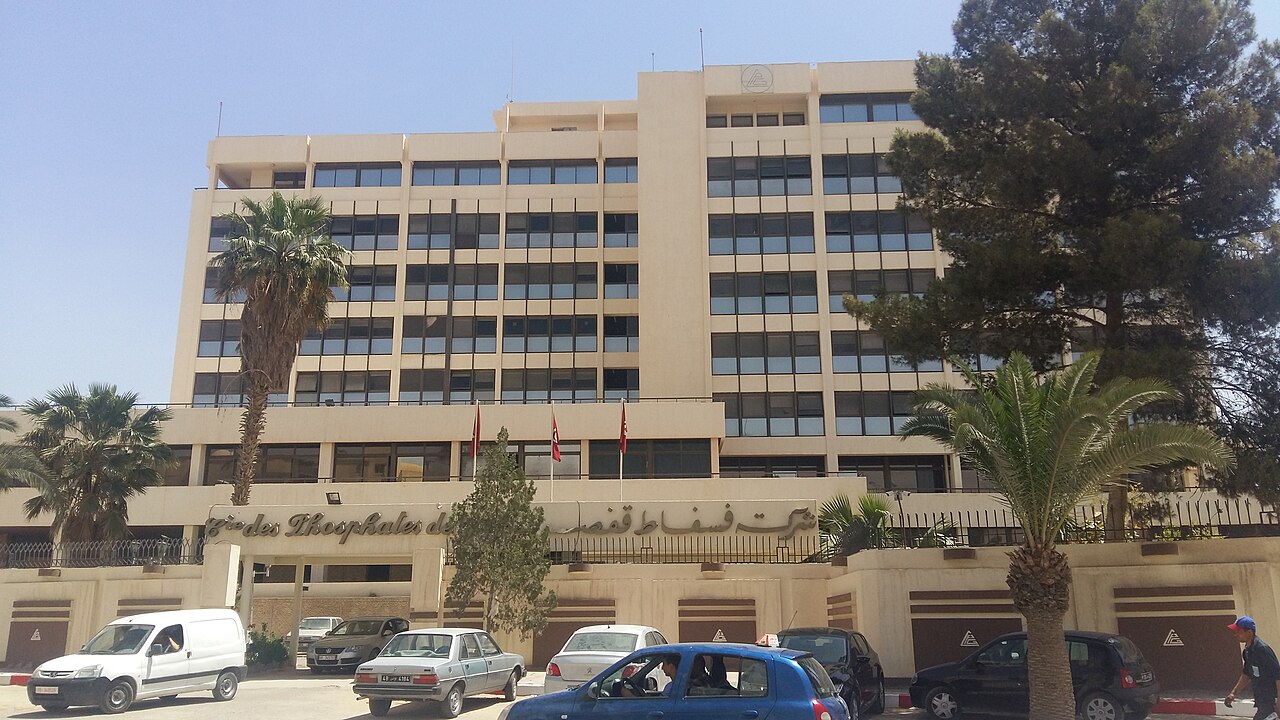
He said the phosphate sector still offers important potential. He called logistics and ports an underrated opportunity that the IFC is now exploring.
Why Investors Have Been Cautious
Naïm said perception is the first brake on private investment, after a run of global and regional economic crises. He spoke of “a period of investor caution” rather than a crisis of confidence, and said tourism was hit especially hard.
He said Tunisia’s five-year national development plan foresees about US$35 billion of investment, with about 10% through public-private partnerships. Those are long contracts in which private firms build and run public infrastructure.
That would put such deals at roughly US$3.5 billion over five years. Naïm also called for faster administrative procedures and the digitisation of government services.
He also flagged women’s work as a growth lever. Only about 27% of Tunisian women take part in the labour market, against 65% of men, he said.
What It Means for US Readers
The IFC is based in Washington and owned by 186 member countries. Naïm called mobilising private capital at scale one of the World Bank Group’s three levers for creating jobs, because public money alone falls short.
He said big public-private projects in energy, ports or infrastructure send international investors a signal that a country is open to private capital. Such projects also bring in technical skills and know-how that may not exist locally, he said.
He stressed that Tunisian investors matter as much as foreign ones. For US companies, his list of priority sectors, from solar power to logistics, shows which Tunisian industries the IFC is ready to finance.
A longer guide to Tunisia’s politics and economy explains the wider picture under President Saied.
What Is Not Known
Naïm did not name the projects in the IFC’s pipeline or say how much of the US$300 million is the IFC’s own money. He also gave no timetable for when deals will be signed.
The current five-year partnership between the World Bank Group and Tunisia expires in 2027, Naïm said. Work on the next one is only beginning, and it could run five, six or perhaps ten years from 2028.
He did not say which projects in the national plan are meant for public-private partnerships, or when they would be offered to bidders.
More: Tunisia news in English, every day from The Rio Times.
Frequently Asked Questions
What is the IFC?
The International Finance Corporation is the World Bank Group’s private-sector arm, owned by 186 member countries and based in Washington. It lends to and invests in companies in emerging markets.
How much investment does the IFC expect in Tunisia?
In a La Presse interview published Sunday 11 October, Ary Naïm said the IFC should attract at least US$300 million of investment this year. It already holds about US$100 million of active investments there.
Which sectors will the IFC back in Tunisia?
Naïm named energy, especially solar, plus exporters, phosphate, agribusiness, manufacturing, logistics and small firms. Recent deals include the Kairouan solar plant, the agribusiness group Hicha and the German automotive and electrical supplier Marquardt.
Why does Tunisia need private investment?
Naïm said Tunisia’s five-year development plan foresees about US$35 billion of investment, about 10% through public-private partnerships. He said faster growth is needed to create jobs for young people.
What does this mean for US investors?
The IFC is a Washington-based lender that aims to draw private capital into markets like Tunisia. Its priority sectors, from solar power to logistics, show which Tunisian industries it is ready to finance.
Sources: La Presse de Tunisie, interview with Ary Naïm (French), 11 October 2026; IFC project disclosure, Marquardt Tunisia, 27 September 2026; IFC, About IFC, 12 October 2026; World Bank Group, contacts and headquarters, 12 October 2026; AfricInvest, company website, 12 October 2026.
This article was produced by The Rio Times’ automated newsroom system. How we use AI · Report an error · Editorial responsibility: Matthias Camenzind, Editor-in-Chief
LatAm Markets: Live Signals → — real-time movers, turnover leaders and FX across Latin America.