Venezuela Merey Discounts: Vitol and Trafigura Push for More as Freight Soars
Venezuela · Energy
Key Facts
- —What happened Vitol and Trafigura are bidding US$18 to US$20 a barrel below Brent for Venezuelan Merey cargoes, Reuters reported.
- —Why they say so Chartering a tanker from Venezuela to the US Gulf Coast now costs about US$5 a barrel, up from US$1.90.
- —Who is squeezed State company PDVSA recently agreed discounts of US$12 to US$13 with some joint-venture partners, one source told Reuters.
- —How much they move The two traders shipped about 597,000 barrels a day in August, out of national exports of 1.17 million.
- —The catch The account comes from five unnamed sources; PDVSA, Vitol and Trafigura did not immediately comment.
The two trading houses that ship more than half of Venezuela’s exports want cheaper cargoes. Record tanker rates, driven by the US-Iran war, are eating their margins.
Venezuela Merey discounts are widening again, and the pressure comes from the traders who move most of the country’s exports. Vitol and Trafigura want cheaper cargoes because shipping costs have soared, Reuters reported on Tuesday 22 September 2026.
The two global merchant houses are bidding US$18 to US$20 a barrel below Brent, the global benchmark, for Merey heavy crude. Five sources familiar with the talks described the push to the news agency.
That matters for a country whose economy leans heavily on crude sales. Every extra dollar of discount cuts what PDVSA, the state oil company, earns on each cargo it sells.
Winners of the post-Maduro scramble
Vitol and Trafigura have been among the biggest winners since the United States captured then-President Nicolás Maduro in January. Washington has since pushed to revive Venezuela’s oil sector, long crippled by American sanctions.
The two firms now sell and ship more than half of Venezuela’s exports, according to Reuters. In August they moved about 597,000 barrels a day, against 604,000 in July.
National exports held almost unchanged in August at 1.17 million barrels a day. Terminals struggled to handle larger volumes, and tanker queues stayed at their longest since January.
Merey prices had recovered steadily this year from the deep discounts forced by sanctions until the end of 2025. Penalty clauses for loading in risky countries had vanished from freight contracts, and large ship owners had returned.
Why freight is the problem
The recovery is now under threat because moving crude by sea has become far more expensive. Global tanker costs hit record highs in recent weeks, according to Reuters.
The trigger was the biggest wave of attacks on shipping since the US-Iran war began in late February. The Caribbean route to the United States has not escaped the jump.
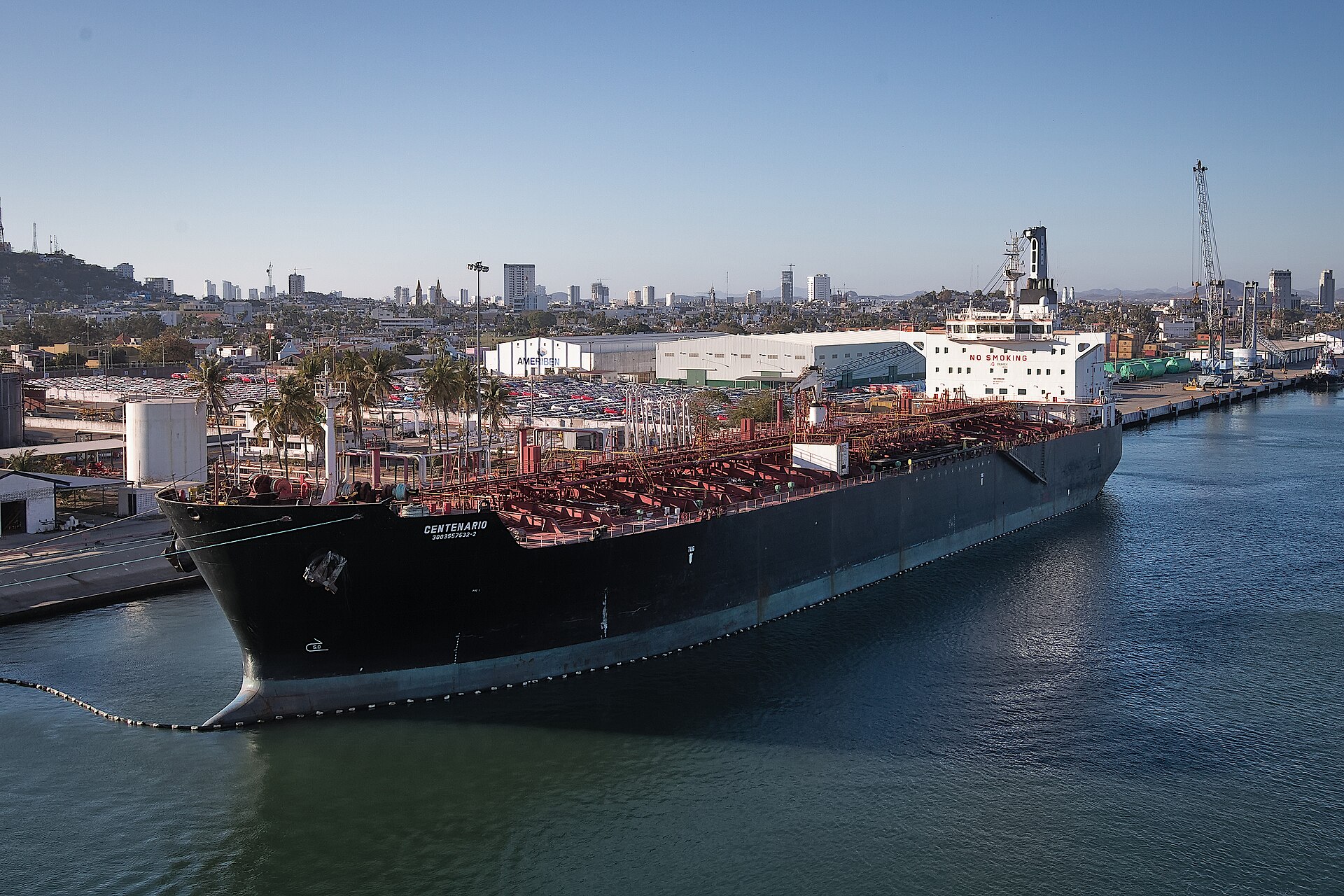
Hiring an Aframax tanker, which carries about 700,000 barrels, from Venezuela’s José terminal to the US Gulf Coast costs about US$3.5 million. That is roughly US$5 a barrel, according to the shipping firm Signal Maritime.
At the start of the year the same trip cost US$1.35 million, or about US$1.90 a barrel. The freight bill per barrel has therefore more than doubled in nine months.
“Freight is a huge issue,” one trading source told Reuters. “Refiners don’t want it at the price it’s costing us.”
PDVSA squeezed from two sides
PDVSA has recently agreed prices of US$12 to US$13 a barrel below Brent with some joint-venture partners, one source said. Those partners are mostly foreign companies that pump crude alongside the state firm.
The partners, in turn, have had to resell to intermediaries at a US$16 discount, the same source said. The traders’ new bids of US$18 to US$20 would push the gap wider still.
The traders say the deeper discount applies to cargoes bound for the United States or Europe. They argue it is the level they need to cover freight.
PDVSA has tried to sell more crude directly to refineries, skipping intermediaries, to improve cash flow and profit. In July, Reuters reported that Phillips 66, Reliance, Repsol and Eni were among refiners buying straight from the state company.
PDVSA, Vitol and Trafigura did not immediately respond to Reuters’ requests for comment. The discount figures come from traders and people close to the talks, not from any PDVSA announcement.
What the numbers mean
Venezuela reported to OPEC, the producers’ group it belongs to, that Merey’s formula price rose to US$76.82 a barrel in August. In July it stood at US$67.36.
That formula price is the most the grade can fetch if all conditions are met. In August it sat about US$14 below Brent, according to Reuters.
Brent fell 2.64% to US$97.69 on Tuesday, The National reported, its first dip below US$100 since 9 September 2026. Iran had signalled it could reopen the Strait of Hormuz within a week.
At that Brent level, a US$20 discount would value Merey at about US$78 a barrel. A US$13 discount would value it near US$85.
If Iranian diplomacy calms shipping lanes, freight could ease and the traders’ case would weaken. Nobody involved has forecast when tanker rates might fall.
What to watch
The first test is whether PDVSA accepts deeper Venezuela Merey discounts or leans harder on direct sales to refiners. The second is the tanker queue at José, which limits how fast exports can grow.
For Washington, which wants Venezuelan barrels flowing quickly, both matter. Cheaper crude may keep refiners buying, but it leaves less money for rebuilding the industry.
More: Venezuela coverage, every day from The Rio Times.
Frequently Asked Questions
What is Merey crude?
Merey is Venezuela’s flagship heavy crude grade and the bulk of what the country exports. It sells at a discount to Brent, the global benchmark, because heavy, sour crude is costlier to refine. Venezuela reported to OPEC that Merey’s formula price was US$76.82 a barrel in August 2026.
Why are Vitol and Trafigura asking for bigger discounts?
They say rising freight costs are shrinking their margins. Chartering an Aframax tanker from José to the US Gulf Coast costs about US$5 a barrel now, against US$1.90 at the start of 2026, according to Signal Maritime. Tanker rates rose after a wave of attacks on shipping linked to the US-Iran war.
How big are the Venezuela Merey discounts being sought?
The traders are bidding US$18 to US$20 a barrel below Brent for cargoes bound for the United States or Europe, Reuters reported. PDVSA has recently agreed US$12 to US$13 below Brent with some joint-venture partners, one source said. Those partners resell to intermediaries at about US$16 below Brent.
How much Venezuelan crude do Vitol and Trafigura handle?
They sell and ship more than half of Venezuela’s exports. In August 2026 they moved about 597,000 barrels a day, while national exports stood at 1.17 million barrels a day, according to Reuters.
Sources: Reuters via EnergyNow on the discount talks, La República on freight costs and export volumes, The National on Brent and the Strait of Hormuz, OilPrice on refiners buying directly from PDVSA
This article was produced by The Rio Times’ automated newsroom system. How we use AI · Report an error
In depth
Read More from The Rio Times