US Troops Race to Reopen Venezuela’s Airport and Port for Quake Aid
Politics
Key Facts
American troops are working around the clock to reopen the two gateways Venezuela needs most, the lifelines through which earthquake aid must reach the survivors.
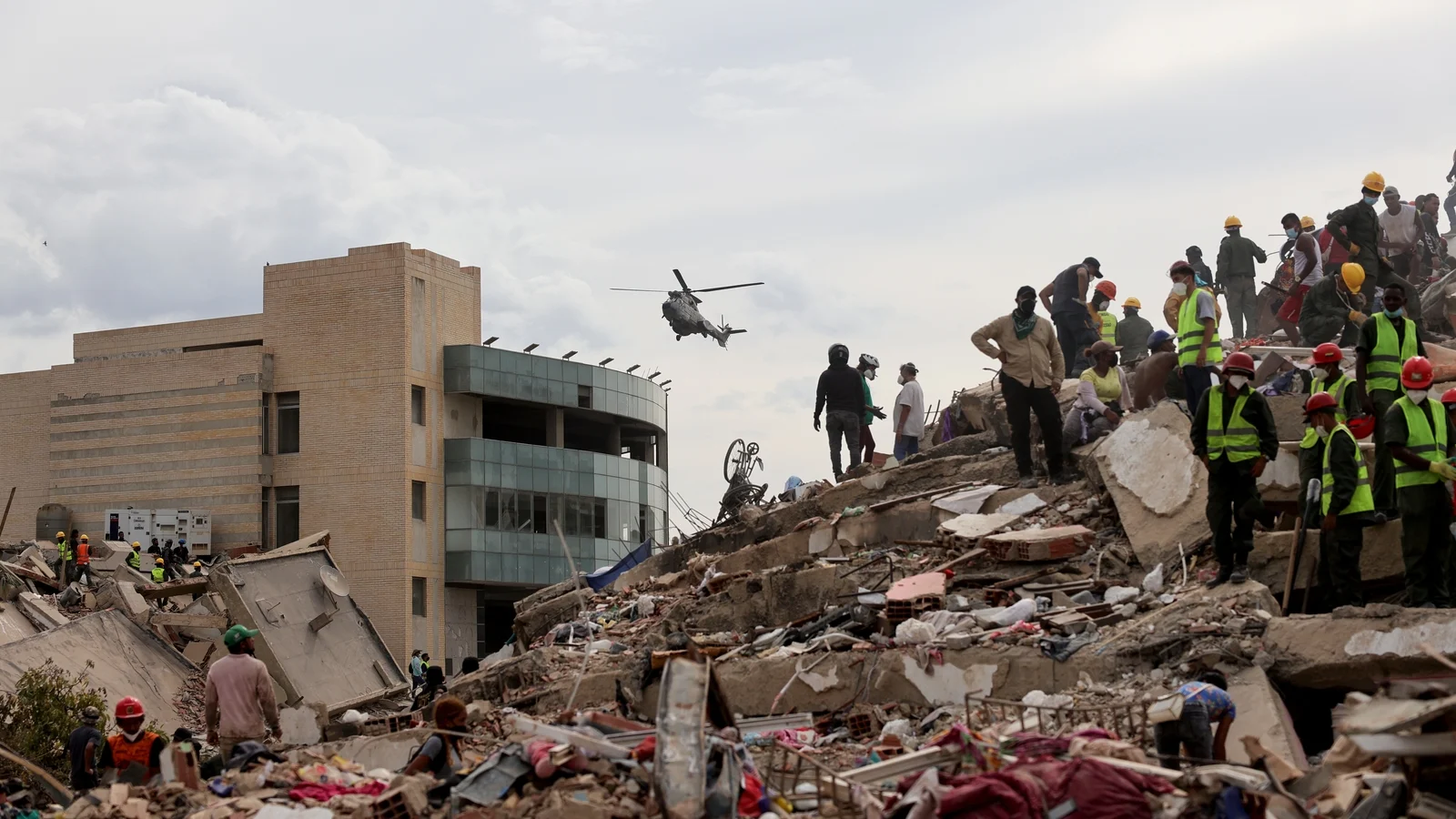
In the wake of the catastrophic earthquakes that struck on June 24, the United States has put boots on the ground in Venezuela with a narrow, practical mission: get help flowing again. The two quakes flattened buildings, killed about one thousand nine hundred and forty-three people and crippled the routes aid depends on.
A team of about one hundred US Air Force airmen is repairing Simón Bolívar International Airport, which serves Caracas and was badly damaged, working to expand the flow of relief flights in and out. Roughly one hundred and thirty Marines, backed by a US Navy ship, have been sent to reopen the port of La Guaira so supplies can land by sea.
For survivors, those two repairs are everything. Until the airport and port function, food, water, medicine and heavy rescue equipment cannot arrive at the scale a disaster this size demands, and the work is a race against the clock to reach people still trapped.
What the United States is doing in Venezuela
The command says it is surging forces to support a relief effort led by the State Department, a framing meant to keep the mission clearly humanitarian. According to Southern Command’s own statement, the deployment includes cargo aircraft, tiltrotor Ospreys and naval vessels.
One of those ships, the USS Fort Lauderdale, was part of the operation that seized the former president in January. Now it is delivering disaster supplies by landing craft to the same coastline, a detail that captures how fast the relationship has flipped.
Washington has put up one hundred and fifty million dollars in aid and signalled another nine-figure package within days. It has also sent a large civilian disaster team, with search-and-rescue units and dogs hunting for survivors in the rubble.
The need is immense. The government says more than twelve thousand people have been displaced and hundreds of buildings damaged or destroyed, with the airport partially reopened and electricity, water and roads only gradually coming back in the worst-hit state.
There is a hard limit, though. The broad US sanctions on Venezuela remain in place, and the Treasury has issued only a narrow licence to let relief-related transactions through, so frozen assets and banking hurdles still complicate the response.
Why US troops in Venezuela matter
This is the clearest sign yet of how far Venezuela has tilted toward Washington since the change at the top. A country that spent two decades as a US adversary is now hosting American forces and publicly thanking them, with grateful videos circulating online.
For investors and policymakers, the disaster compounds an already fragile picture. Venezuela’s economy has collapsed by roughly four-fifths over the past decade, it sits on a vast unresolved debt, and now faces a multi-billion-dollar reconstruction bill it cannot pay alone.
The deeper question is what the United States expects in return. Humanitarian goodwill can harden into lasting influence, and a relief mission run by the same command that removed the old government leaves Venezuela more dependent on Washington than at any point in living memory. Our reporting has shown that the US military footprint has already deepened well beyond the initial aid mission, with roughly 2,000 personnel now operating in the region and Washington committing more than $300 million to the SOUTHCOM-run operation, raising concerns among critics that the humanitarian crisis is being used to cement a semi-permanent strategic presence on Venezuela’s coast.
More: Venezuela news in English, every day from The Rio Times.
Frequently Asked Questions
Why are US troops in Venezuela?
They are there for earthquake relief after the June 24 disaster. About one hundred US Air Force airmen are repairing the main airport serving Caracas, while roughly one hundred and thirty Marines and a Navy ship work to reopen the damaged port of La Guaira so humanitarian supplies can reach the worst-hit areas.
Is this the same force that captured Maduro?
Yes — the relief is coordinated by US Southern Command, the same body behind the January raid that seized then-president Nicolás Maduro in Caracas. One vessel now delivering aid, the USS Fort Lauderdale, also took part in that earlier operation, underscoring how sharply relations have shifted in a few months.
Are US sanctions on Venezuela lifted?
No, the broad sanctions regime stays in place. The US Treasury has issued only a narrow licence to authorise transactions tied to earthquake relief, so most Venezuelan assets abroad remain frozen and aid still has to navigate banking and approval hurdles.
Connected Coverage
› Venezuela Earthquake Hits a Fragile Recovery
› US Warships Return to Venezuela’s Coast Under Southern Command
Related: A $6.7 Billion Quake Bill Hits Venezuela Mid-Default
Related: After Venezuela’s Quake, Families Search the Web for the Missing
This article was produced by The Rio Times’ automated newsroom system. How we use AI · Report an error · Editorial responsibility: Matthias Camenzind, Editor-in-Chief