Venezuela Unfreezes $346M in IMF Reserves After Quakes

Venezuela · Economy
Key Facts
—The Drawdown. Venezuela accessed US$346 million from its IMF reserve tranche for earthquake reconstruction on 18 July 2026.
—The Disaster. Twin earthquakes on 24 June 2026 caused a death toll surpassing 5,000 and widespread infrastructure damage.
—The Mechanism. The funds are not a new IMF loan but a withdrawal of Venezuela’s own previously frozen reserve assets.
—The Reset. The IMF resumed formal dealings with the government of Acting President Delcy Rodríguez in April 2026, unlocking the assets.
—The Allocation. Funds are earmarked for housing, infrastructure, and essential public services in devastated regions.
Venezuela has tapped US$346 million of its own IMF reserves to finance urgent earthquake reconstruction, marking the first significant mobilisation of Caracas’s frozen multilateral assets since the Fund resumed dealings with the government in April 2026.
The Mechanics of the IMF Reserves Drawdown
On 18 July 2026, Acting President Delcy Eloína Rodríguez Gómez announced that Venezuela had successfully accessed US$346 million from its own resources at the International Monetary Fund. The funds are designated for the “recovery and reconstruction process” following the devastating twin earthquakes that struck the country on 24 June.
IMF Managing Director Kristalina Georgieva confirmed the operation, stating the institution had worked with key counterparts to help Venezuela access its own resources for urgent humanitarian needs. The draw was made specifically from Venezuela’s reserve tranche position, a paid-in portion of its IMF membership that stood at approximately US$350 million as of 8 July 2026.
This is not a new IMF loan programme or a debt restructuring arrangement. Venezuela holds a much larger stock of 3.568 billion Special Drawing Rights (SDRs), equivalent to roughly US$5.1 billion, which had been effectively blocked for years because the IMF did not recognise Nicolás Maduro as the country’s legitimate president.
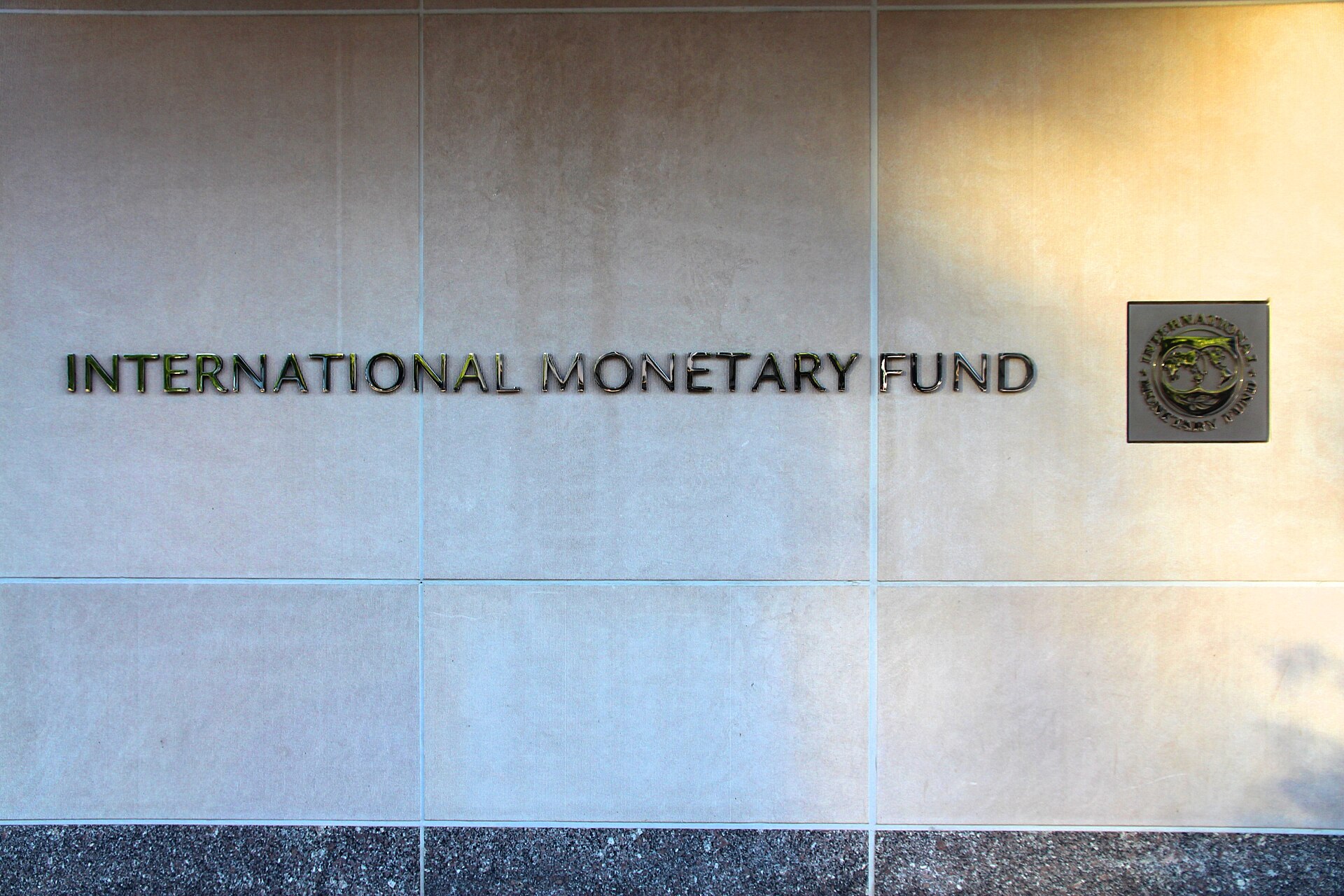
From a US$200 Million Fund to a US$346 Million Withdrawal
The July drawdown represents a significant scaling-up of an initial reconstruction initiative. On 25 June, just one day after the earthquakes, Rodríguez announced the creation of a US$200 million reconstruction fund using Venezuelan resources at the IMF to rebuild infrastructure, hospitals, and housing.
That earlier announcement, broadcast by state television VTV, described a fund established “with the participation of the International Monetary Fund” and funded using resources Venezuela already held at the institution. The Rio Times reported in April that Caracas planned to start reconstruction with about US$200 million, roughly four percent of what the country holds at the Fund.
The jump to US$346 million in executed access effectively exhausts nearly the entire reserve-tranche position available to Venezuela. It remains unclear from public documents whether this larger draw subsumes the previously announced US$200 million fund or operates alongside it.
The Earthquake Disaster Driving the IMF Reserves Request
The urgency behind the drawdown is rooted in the scale of the humanitarian crisis. By 18 July, officials reported that the death toll from the 24 June earthquakes had surpassed 5,000, with extensive damage to housing, public infrastructure, and essential services across affected regions.
Rodríguez has cited 189 buildings destroyed in public statements about the reconstruction effort, though this figure comes from government sources and has not been independently verified by multilateral agencies. Several international outlets characterise the seismic events as devastating double or back-to-back quakes, emphasising the geographic spread and the pressure on Venezuela’s already fragile infrastructure.
The officially communicated priorities for the IMF-backed funds include rebuilding homes and repairing housing stock, rehabilitating roads, bridges, and public buildings, and restoring electricity, water networks, and hospitals. Rodríguez has repeatedly stressed that using IMF assets is “not a debt programme” but rather the recovery of Venezuela’s sovereign rights and assets.
The April 2026 Reset That Unlocked IMF Reserves
The ability to draw US$346 million today is a direct consequence of the IMF’s landmark decision on 16 April 2026 to formally resume dealings with Venezuela. Guided by the views of IMF members representing a majority of the Fund’s total voting power, the institution announced it was now dealing with the government of Venezuela under the administration of Acting President Delcy Rodríguez.
Dealings had been paused since March 2019 due to government recognition issues, which left Venezuela’s SDRs and reserve-tranche resources effectively frozen. The World Bank Group confirmed its own resumption of dealings on the same day, opening a parallel track for project-based lending and technical assistance.
Rodríguez declared the move a diplomatic victory on 17 April, stating that Venezuela had achieved the “legitimate recovery” of its frozen rights and assets in the IMF. She framed it as an opportunity to invest in electricity, water systems, hospitals, and social programmes without contracting new external debt.
What the IMF Reserves Access Means for Investors and Markets
For international investors and creditors watching Venezuela, the US$346 million drawdown is modest in absolute terms but symbolically significant. Venezuela’s total foreign-exchange reserves stood at about US$14.4 billion in February 2026, while its external debt is estimated at roughly US$170 billion, or 180 to 200 percent of GDP, making it one of the world’s largest unresolved sovereign defaults.
The transaction demonstrates that the post-April 2026 architecture for accessing multilateral resources is operational, even though Venezuela has not requested a formal financing programme or debt-relief arrangement. IMF officials stress that this is access to existing reserves, not a new loan, and therefore does not carry the conditionality or monitoring frameworks typically associated with Fund programmes.
However, governance questions remain unanswered. No comprehensive, independently verifiable framework for project selection, procurement, or audit standards has yet been released by the IMF or World Bank.
Some public statements mention audited contractors for home rebuilding, but multilateral sources have not confirmed oversight arrangements, leaving transparency as a key risk for any entity considering deeper engagement.
The Latin America Read-Through and What to Watch Next
The Venezuela-IMF dynamic carries implications for other Latin American nations with complex sovereign debt legacies or frozen multilateral relationships. The precedent of unlocking reserve-tranche assets for humanitarian purposes without a full lending programme could inform how the Fund engages with other countries facing recognition disputes or sanctions-related blockages.
For expats and professionals with ties to Venezuela, the immediate priority is whether the US$346 million translates into visible improvements in housing, electricity, and water services in earthquake-affected zones. The World Bank’s parallel resumption of dealings has not yet produced a specific reconstruction loan tied to the June disaster, but that remains a logical next step if Caracas can demonstrate effective use of the initial IMF disbursement.
The larger question is whether this operational success encourages Caracas to pursue access to the much larger US$5.1 billion SDR allocation still sitting at the Fund. IMF officials have been careful to distinguish the reserve tranche from the broader SDR holdings, and any move to tap those resources would likely require a more formal engagement with the Fund’s membership and potentially more structured conditionality.
More: Venezuela news in English, every day from The Rio Times.
Frequently Asked Questions
Is the US$346 million a new IMF loan to Venezuela?
No. The US$346 million is a withdrawal of Venezuela’s own reserve-tranche position at the IMF, which represents funds the country paid in as part of its membership obligations. It is not a new lending programme, does not create additional debt, and does not carry the conditionality typically attached to IMF financing arrangements.
Why were Venezuela’s IMF reserves frozen in the first place?
The IMF paused dealings with Venezuela in March 2019 because its membership did not recognise Nicolás Maduro as the country’s legitimate president. This effectively blocked Caracas from accessing its SDR holdings and reserve-tranche position.
The Fund resumed dealings in April 2026 after a majority of members voted to recognise the government of Acting President Delcy Rodríguez.
Can Venezuela access the remaining US$5.1 billion in SDRs?
The US$5.1 billion in SDRs remains Venezuela’s sovereign asset, but accessing it is a separate matter from the reserve-tranche drawdown. IMF officials have distinguished between the two pools of resources, and any move to mobilise the broader SDR allocation would likely require more formal engagement with the Fund’s membership and potentially structured oversight arrangements that have not yet been requested or agreed.
Connected Coverage
Delcy Rodríguez Hardens Political Line as Saudi Investment Deals Advance
Caracas Airport Stays Shut After Quake, Forcing LATAM and Copa to Reroute
This article was produced by The Rio Times’ automated newsroom system. How we use AI · Report an error · Editorial responsibility: Matthias Camenzind, Editor-in-Chief