Venezuela Pushes for Talks With Guyana Over Oil-Rich Essequibo Dispute
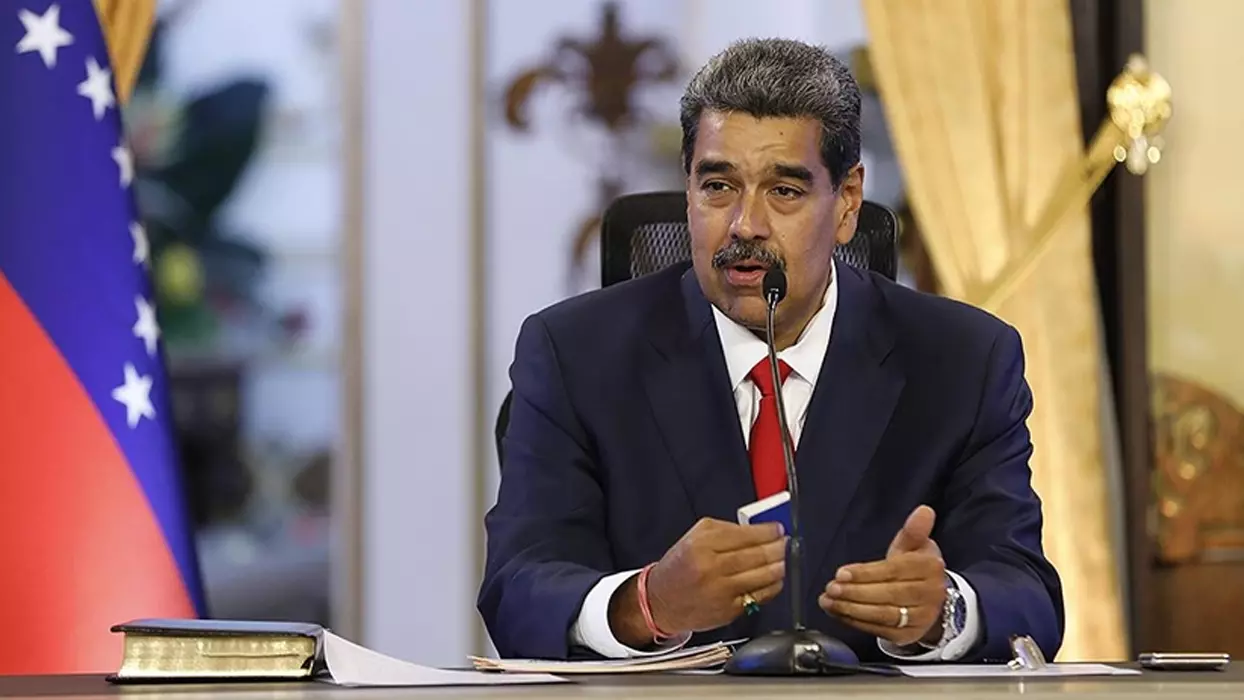
Venezuelan President Nicolás Maduro has called on Guyana to resume negotiations under the 1966 Geneva Agreement to resolve the long-standing territorial dispute over the Essequibo region.
This appeal, made on February 17, 2025, marks the latest development in a conflict that has intensified due to significant oil discoveries in the contested area. The Essequibo region, covering 160,000 square kilometers—two-thirds of Guyana’s landmass—has been disputed since colonial times.
Venezuela claims historical ownership, rejecting an 1899 arbitral ruling that awarded the territory to British Guiana (now Guyana). The dispute gained renewed urgency after ExxonMobil discovered over 8 billion barrels of recoverable oil offshore in 2015, transforming Guyana into a rising oil power.
Maduro’s administration has escalated its stance in recent years. In December 2023, Venezuela held a referendum where voters overwhelmingly supported annexing Essequibo.
Following this, Maduro authorized resource extraction licenses in the disputed area and warned international companies operating under Guyanese permits of violating international law.
Guyana dismissed these actions as illegal and reaffirmed its commitment to resolving the matter through the International Court of Justice (ICJ), where proceedings are ongoing. The stakes are high. For Venezuela, control over Essequibo could provide an economic lifeline amid sanctions and financial crises.
For Guyana, losing Essequibo would mean forfeiting critical oil revenues driving its rapid economic growth. Meanwhile, regional stability is at risk as neighboring countries and global investors monitor the escalating tensions.
Maduro’s call for dialogue reflects mounting pressure but faces skepticism given his recent unilateral moves. As both nations remain firm in their positions, the dispute’s outcome could reshape South America’s geopolitical and economic landscape. It also carries significant implications for energy markets and international law enforcement.
More: Latin America news in English, every day from The Rio Times.
This article was produced by The Rio Times’ automated newsroom system. How we use AI · Report an error · Editorial responsibility: Matthias Camenzind, Editor-in-Chief