USA & Canada Intelligence Brief — Monday, August 24, 2026
Executive Summary
USA & Canada Intelligence Brief for August 24: a three-week run of gains ends, thirty-year borrowing is at its costliest since 2007, and Friday looms.
Rio Times · USA & Canada Intelligence Brief August 24, 2026
USA & Canada Intelligence Brief — Monday, August 24, 2026
Everything Waits For Friday
Key Facts
- The week. American shares broke three straight weeks of gains, the broad measure down 1.4% and the technology measure down 2%; the industrial measure fell 0.9%, its second weekly loss running.
- The exception. Friday was strong — activity figures beat expectations and the industrial measure added 518 points — and the week still finished lower.
- The cause. Thirty-year government borrowing rose above 5.3% and briefly touched 5.34%, the costliest since 2007.
- The diary. July inflation figures, Chair Warsh’s address in Wyoming, and one chip company’s results all land this week.
- Canada. Fifty per cent duties are in their third day, with matching measures set for 8 September.
- Mexico. Its economy minister expects continental terms resembling the offer Canada refused.
There are weeks when a country makes its own news and weeks when it simply waits for the diary. This is the second kind.
Read in English and Canadian French, from Ottawa and Washington. Domestic stories only, with no war coverage and no sport.
A Strong Friday That Did Not Save The Week
The numbers
American shares closed last week lower, the broad measure down 1.4% and the technology measure down 2%, ending three straight weeks of gains for both. The main industrial measure lost 0.9%, its second weekly fall running.
Friday itself was positive. Activity figures came in strong, the market rose on them, and the industrial measure added 518 points without rescuing the week.
Because The Cost Of Borrowing Went The Other Way
A level last seen in 2007
What the government pays to borrow for thirty years went above 5.3% during the week and briefly touched 5.34%. It settled back only to 5.27% by Friday.
Long borrowing costs at that level are not a reaction to any single figure. They are a standing judgement about how much debt is coming and what it will be worth.
The intervention has stopped working
Long-dated buyback operations announced earlier this month have not held their effect. Borrowing costs in Japan, France and Germany reached multi-year highs over the same period.
The Week Ahead Is Entirely Scheduled
Four events
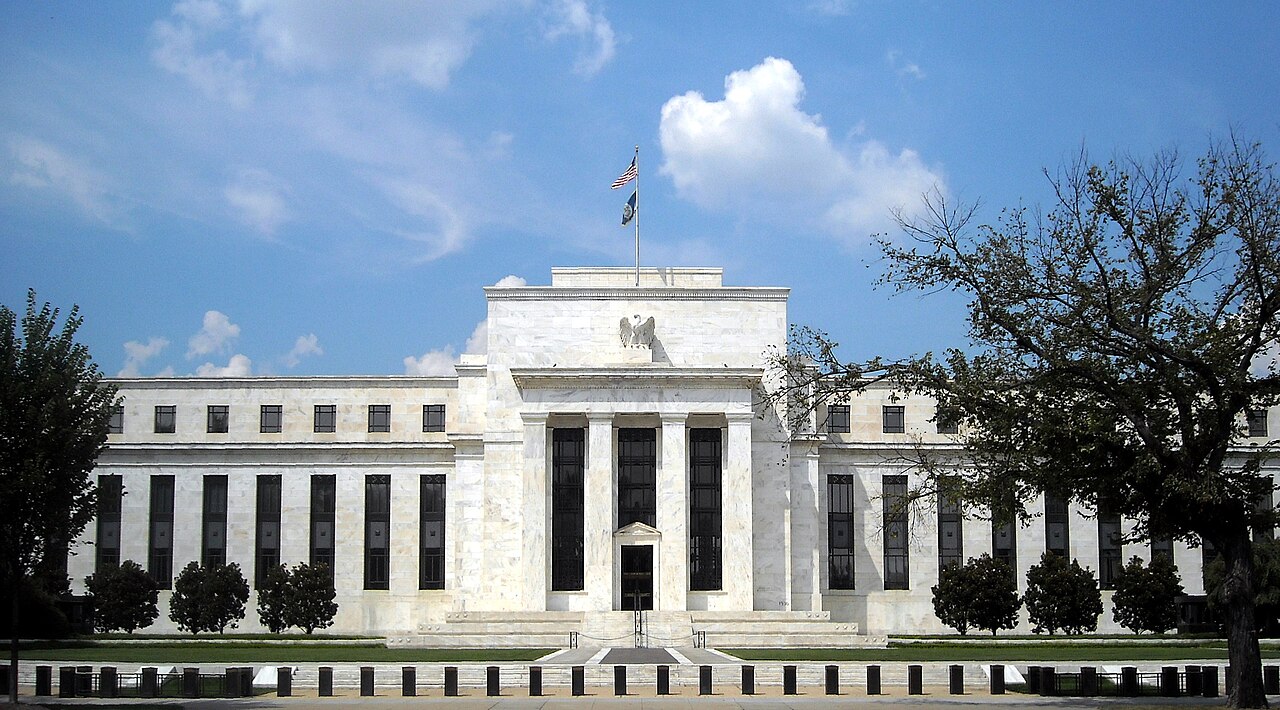
July inflation figures arrive this week, along with results from the chip company that has become the market’s single reference point. Chair Kevin Warsh speaks at the annual gathering in Wyoming.
The Treasury Secretary is expected to announce further measures against Iran as early as Monday, which matters here only because oil prices feed directly into the inflation number everyone is waiting for.
A good week for the economy produced a bad week for its assets, and that combination is the most informative thing in the file.
What A Chairman Can Still Move
The short rate and the long one
A central bank sets the shortest rate in the system directly and the longest one only by persuasion. Persuasion has not been working.
The July meeting held rates on a nine to three vote, with three members wanting an increase, and long borrowing costs have risen since regardless.
Canada Enters Its Third Day
And Mexico starts reading the result
Fifty per cent duties on roughly twenty billion dollars of Canadian goods have applied since Saturday, with Canada’s matching measures set for 8 September. No talks have been announced by either government.
Mexico’s economy minister has said he expects terms in the continental review resembling those offered to Canada. Canada declined those terms, which makes it a striking baseline to adopt.
What This Means From Latin America
The practical consequence for this hemisphere is unchanged and getting heavier. Dollar funding is priced off that thirty-year number and it has not come down.
The second point is Mexico’s. A third country treating a refused offer as its own likely outcome tells you how much the continental review has already been reshaped by one failed negotiation.
The third is about what the week’s shape signals. When strong domestic data cannot lift a market against the cost of government borrowing, the constraint has moved from the economy to the balance sheet.
The Bigger Picture
Our 20 August dossier put ‘the intervention holds’ and ‘relief fades and borrowing costs return’ at forty per cent each. Relief faded.
The reasons sit outside the central bank. Oil is elevated because of a conflict it does not control, and the volume of debt to be sold is set by a legislature it does not advise.
Against that, the flash activity figures for August were the strongest in some time. A chairman can plausibly argue the economy is absorbing all of this without breaking.
USA & Canada Intelligence Brief August 24, 2026: What We Are Watching
- The Wyoming address — He speaks into a market that has already repriced long borrowing without him.
- July inflation — The measure the central bank prefers, arriving with oil elevated.
- Thirty-year borrowing — Watch whether 5.34% holds as the ceiling.
- The chip company’s results — One firm’s quarter setting the tone in three time zones.
- Canada, day three — Duties in force, no talks, a matching response two weeks out.
- Bank of Canada on 2 September — Six days before Ottawa’s own counter-measures apply.
More from the Rio Times Intelligence Desk on August 24, 2026: Africa · Asia · Europe. For how these stories developed, see the USA & Canada Intelligence Brief for August 23 and August 21.
Continental trade and the renegotiation of North American terms run through our pillar coverage of USMCA 2026.
Background: BRICS Just Got Bigger — Who’s In, Who’s Still Out, and Why It Matters.
Background: Brazil Economic Outlook 2026: Growth, Inflation, and Key Risks.
Frequently Asked Questions
Why did American shares fall last week?
The broad measure lost 1.4% and the technology measure 2%, ending three weeks of gains, as thirty-year government borrowing costs rose above 5.3% to their highest since 2007. Friday’s strong activity data lifted the session but not the week.
How high are American borrowing costs?
Thirty-year government borrowing briefly touched 5.34% during the week, a level last seen in 2007, and stood at 5.27% by Friday.
What happens this week?
July inflation figures are published, Chair Kevin Warsh addresses the Federal Reserve’s annual gathering in Wyoming, and the chip company that has become the market’s reference point reports quarterly results.
Where do the Canadian tariffs stand?
Fifty per cent duties on roughly twenty billion dollars of Canadian goods have been in force since one minute past midnight on Saturday 22 August. Canada’s matching measures are scheduled for 8 September and no further talks have been announced.
Sources: Bloomberg, Investopedia, Investing.com · 21–24 August 2026.
This article was produced by The Rio Times’ automated newsroom system. How we use AI · Report an error · Editorial responsibility: Matthias Camenzind, Editor-in-Chief