Cuba · International
Key Facts
—The move. The United States imposed sanctions on Cuba’s state oil and gas company, known as CUPET.
—The accusation. Washington says Havana weaponizes energy to fund repression and enrich its leaders.
—The denial. Cuba’s government rejected the claims and condemned the measure.
—The backdrop. The island is gripped by chronic fuel shortages and rolling blackouts.
—The escalation. It came about a week after the US sanctioned Cuba’s president and other officials.
—The warning. Some analysts say the step will deepen the island’s crisis and hit ordinary people hardest.
Washington has gone after the company that fuels Cuba, sanctioning the island’s state oil firm and accusing the government of turning energy into a weapon, in a step critics warn will land hardest on ordinary Cubans already short of fuel.
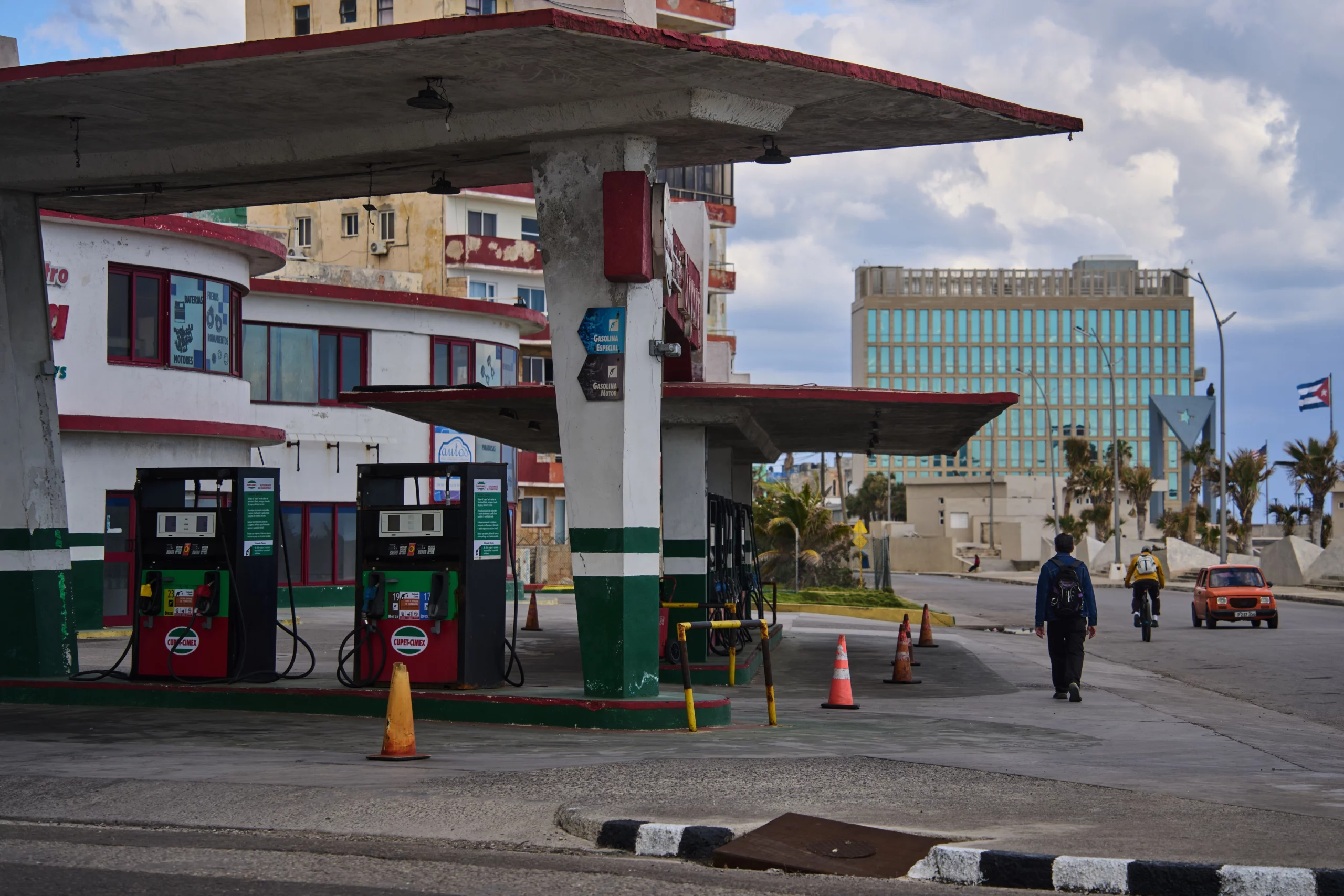
The United States has imposed sanctions on Cuba’s state-owned oil and gas company. The firm, known as CUPET, supplies much of the fuel that keeps the island moving.
The move freezes any assets the company holds in the United States. It marks a sharp new turn in a long and bitter standoff between the two countries.
Why the US is squeezing Cuba
The US secretary of state framed the step as a blow against repression. He accused Cuba’s communist leaders of using energy as a tool of social control.
In his telling, the government rations fuel to keep people in line and diverts supplies to its security forces. He claimed the elite live in comfort while ordinary Cubans queue for hours to fill their cars.
Washington also says some of the company’s assets were seized from American owners decades ago. That points back to the nationalisations that followed Cuba’s 1959 revolution.
The action falls under an order signed earlier this year. It is aimed at those Washington holds responsible for repression on the island.
US officials painted a stark contrast in their announcement. They accused the country’s ruling family of flying on a private jet while regular Cubans wait weeks to fill their tanks.
They also charged that scarce fuel is funnelled to favoured ends. Power, they said, is kept flowing to luxury tourist hotels even as homes go dark.
How Havana responded
Cuba pushed back quickly. Its foreign minister rejected the accusations and condemned the sanctions as another act of US pressure.
Havana has long blamed its troubles on the decades-old US embargo. It argues that the blockade, not mismanagement, is the root of the island’s economic pain.
The latest move did not come out of nowhere. It followed by about a week US sanctions on Cuba‘s president and several other officials and institutions.
An island already in crisis
The timing matters because Cuba is already struggling badly. Fuel is scarce, power cuts are frequent, and basic goods are hard to find.
Years of under-investment have left the island’s energy system fragile. Blackouts can stretch for hours, disrupting water pumps and daily life.
When the power fails, the effects ripple outward fast. Pumps stop, taps run dry, and residents line up at tanker trucks to collect water by hand.
Into that picture, the new sanctions add fresh strain. Cutting at the company that imports and handles fuel risks making the shortages worse.
The debate over who pays
That is where critics raise the alarm. Some Cuba experts warn the measure will deepen the humanitarian crisis and hurt ordinary people most of all.
Supporters of the pressure see it differently. They argue that only by squeezing the government’s finances can Washington force political change on the island, and that the regime, not the embargo, is to blame for the hardship.
Both sides agree on one thing, even if little else. The fuel crunch is real, and the people feeling it are the ones with the least.
Why it matters
For the wider region, the move is a marker of a harder US line. It signals that Washington is now willing to target the basic machinery of the Cuban economy itself.
It also sharpens an old question with no easy answer. Whether pressure forces change or simply deepens suffering has divided observers of Cuba for generations.
For now, the island braces for a harder road. With its main fuel handler under sanction, the coming months are likely to test an economy that was already stretched thin.
Background: Cuba’s economy.
More: Cuba news in English, every day from The Rio Times.
Frequently Asked Questions
What did the United States sanction?
It sanctioned Cuba’s state-owned oil and gas company, known as CUPET, which supplies much of the island’s fuel. The measure blocks any of the company’s assets held in the United States.
Why did Washington act?
US officials accuse Cuba’s government of weaponizing energy to repress its people and enrich its leaders. Havana rejects the claims and blames the long-standing US embargo for the island’s hardship.
What effect could it have?
Some analysts warn it will worsen Cuba’s fuel shortages and humanitarian crisis, hitting ordinary people hardest. Supporters of the pressure argue it is meant to push the government toward political change.
Connected Coverage
Cuba Has a New Global Sound, Born in Havana Housing Projects
This article was produced by The Rio Times’ automated newsroom system. How we use AI · Report an error
Read More from The Rio Times