Uruguay Keeps Cutting Rates as Inflation Nears Target
Uruguay’s central bank announced on August 19 that it reduced its key interest rate by 25 basis points to 8.75 percent. The Central Bank of Uruguay stated that this cut extends its gradual easing cycle while policy remains contractionary.
Officials explained that further reductions will only take place if inflation and expectations continue aligning with the official target. Inflation has now moved closer to the 4.5 percent goal.
Official data showed consumer prices rising 4.53 percent in July compared to a year earlier. Core inflation dropped to 5.5 percent, while two-year inflation expectations fell to an average of 5.23 percent.
Analysts expect 4.9 percent, markets 4.8 percent, and businesses 6 percent. The bank confirmed it expects inflation to stay near 4.5 percent within its 24-month policy horizon.
The decision follows a series of steps taken this year. The bank lifted its policy rate to 9.25 percent in April to strengthen disinflation. It maintained that level in May, then cut to 9.00 percent in July as prices and expectations improved.
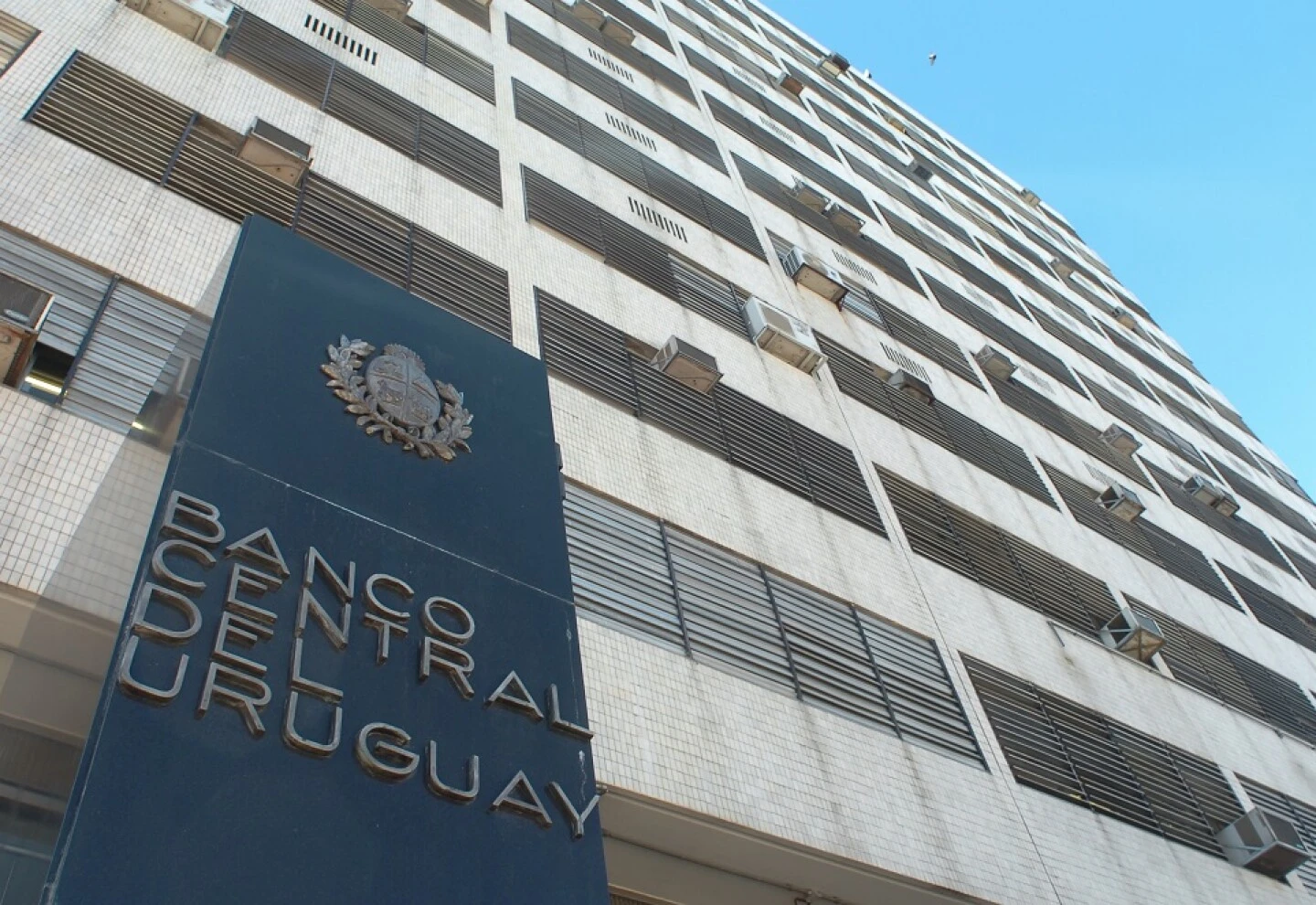
The latest move to 8.75 percent signals confidence in the disinflation trend, but authorities maintain that the stance still restrains demand.
Uruguay, long considered an outlier in South America for its stubborn inflation, is now showing results from a disciplined monetary approach. Policymakers have used high interest rates and a stable currency to bring consumer prices down.
Inflation peaked at 5.7 percent in March but has since declined steadily. For the first time, the central bank survey predicted year-end inflation in line with the target.
This shift matters for the real economy. Lower rates may ease financing costs for companies and households, though banks tend to adjust gradually.
Investors and savers will likely see reduced returns as deposit and bond yields follow the central bank’s path. At the same time, keeping policy restrictive aims to protect currency credibility and avoid a rebound in prices.
Officials stressed that future moves will depend on expectations, particularly among businesses, which remain above the target.
Analysts see room for additional small cuts later this year if the favorable trend continues. The central bank insists that price stability remains the priority, signaling that easing will proceed cautiously.
By keeping inflation close to its 4.5 percent objective, Uruguay seeks to secure a stable environment for investment, wage agreements, and long-term growth.
More: Latin America news in English, every day from The Rio Times.
This article was produced by The Rio Times’ automated newsroom system. How we use AI · Report an error · Editorial responsibility: Matthias Camenzind, Editor-in-Chief