Uganda Land-Fraud Cases Jumped 67% to 663 in 2025, Hitting Investors
Uganda · EXPAT
Key Facts
- —What happened Uganda’s State House investors’ protection unit handled 719 land and financial fraud cases and helped recover Shs557 billion (US$149.5 million) over the past three years.
- —The surge Land-fraud cases rose to 663 in 2025 from 397 in 2024, a 67 percent increase.
- —The cost Shilling lending rates averaged 18.63 percent in the first half of 2026, according to Knight Frank’s Kampala review, raising financing costs for developers and buyers.
- —The response Kampala is fast-tracking a Real Estate Bill to regulate unqualified agents and brokers who dominate transactions without licensing or accountability.
- —Who it hits Foreign and domestic investors face frozen capital and losses when forged titles, absentee landlords and unregistered land surface after deals close.
Uganda real estate is failing investors through land fraud, weak brokerage oversight and costly title disputes that can freeze capital and trigger losses. The State House investors’ protection unit recorded 663 land-fraud cases in 2025, up 67 percent from 397 in 2024.
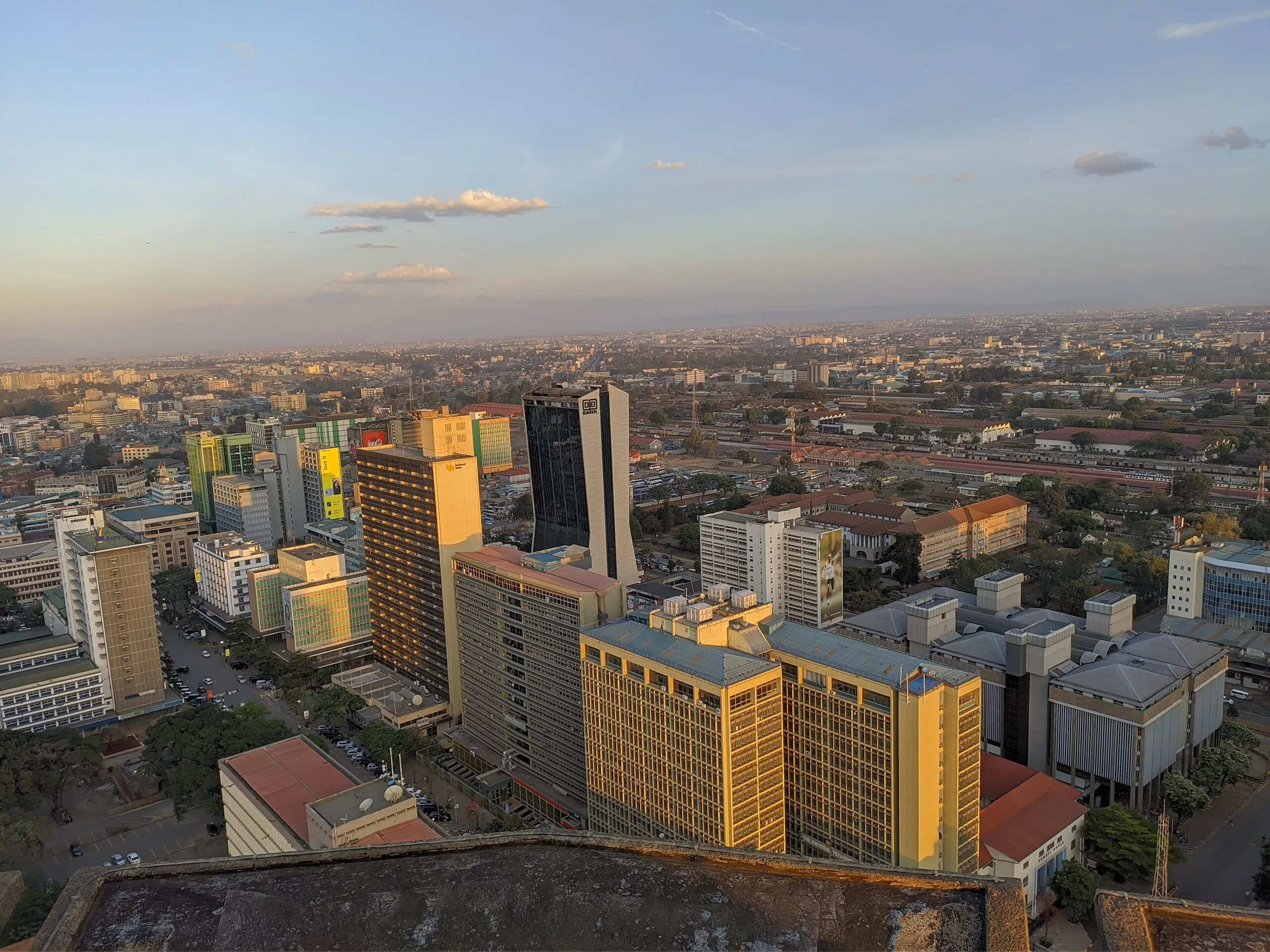
Uganda’s property market is turning into a high-risk asset class for investors who cannot tell a clean title from a forged one. The government now admits the problem is structural, and it is racing to pass a Real Estate Bill before fraud and opaque deal-making further undermine confidence.
Land fraud is the core failure in Uganda real estate
State House’s investors’ protection unit says it handled 719 land and financial fraud cases and helped recover Shs557 billion (US$149.5 million) over the past three years. Land-fraud cases alone jumped to 663 in 2025 from 397 in 2024, a 67 percent increase that officials describe as a direct threat to investment.
Lands Minister Judith Nabakooba has linked the fraud surge to outdated laws, forged titles, absentee landlords and unregistered land. For an expat or foreign fund, each of those risks can mean years of court battles and capital locked in a property that cannot be sold or developed.
The practical danger is that buyers often discover title problems only after money has changed hands. Informal intermediaries dominate transactions, and without licensing or accountability, there is little recourse when a deal collapses.
Weak brokerage oversight leaves buyers exposed
The government is now fast-tracking a Real Estate Bill to regulate unqualified agents and brokers. Officials say informal intermediaries handle a large share of transactions without any licensing framework, which makes fraud harder to trace and punish.
Parliament Watch reports that the proposed law is designed to tame rogue land brokers who operate outside formal channels. For investors, the absence of a broker registry means due diligence falls entirely on the buyer, often with limited access to reliable land records.
The bill is a recognition that Uganda real estate cannot attract sustained capital while deal-making remains informal. Professionalising the market is the stated goal, but the timeline for enforcement remains unclear.
High financing costs squeeze developers and buyers
Knight Frank’s H1 2026 Kampala review cites shilling lending rates averaging 18.63 percent, which raises financing costs for developers and buyers. At that level, even a clean-title project struggles to deliver returns that justify the risk.
The financing burden falls hardest on local developers who cannot tap cheaper offshore credit. Foreign investors with dollar funding may fare better, but they still face the same land-governance risks that can wipe out any interest-rate advantage.
High borrowing costs and weak title security together create a market where only the most patient capital survives. That is a structural problem, not a cyclical one.
External capital is present but concentrated
Uganda housing-finance data shows China’s Exim Bank as the biggest institutional investor in the wider housing and finance value chain at US$2.1 billion. The International Finance Corporation, the African Development Bank and European development finance institutions also play material roles.
That external capital is a reminder of how much Uganda real estate depends on foreign and development money. Yet weak land governance turns even well-funded projects into high-risk bets if titles are contested after construction begins.
The great-power angle is therefore financial as much as political. Kampala wants to professionalise the market before fraud and opaque deal-making further undermine the confidence of lenders and equity partners.
What the Real Estate Bill can and cannot fix
The proposed law targets unqualified agents and brokers, but it does not by itself clean up the land registry or resolve absentee-landlord disputes. Minister Nabakooba’s diagnosis points to deeper problems that legislation alone cannot solve quickly.
Investors should watch whether the bill includes enforceable licensing, penalties for rogue surveyors and faster title verification. Without those mechanisms, the 67 percent rise in land-fraud cases could repeat in 2026.
For expats and foreign funds, the practical lesson is to treat every Kampala property deal as a due-diligence exercise first and an investment second. The cost of verifying a title is small compared with the cost of losing the entire purchase price.
The regional read-through for East Africa
Uganda’s experience mirrors a wider East African challenge: rising urban demand for property is outpacing the legal and administrative systems that protect ownership. Neighbouring markets face similar pressures, though Uganda’s fraud numbers are unusually stark.
For investors comparing frontier property markets, the lesson is that headline yields mean little without enforceable title security. The Africa: The New Scramble for assets and influence is as much about legal infrastructure as it is about capital flows.
Kampala’s policy response will be a test case for whether East African governments can professionalise real estate before fraud erodes the investor base. The next twelve months will show whether the Real Estate Bill becomes law or remains a proposal.
Frequently Asked Questions
How many land-fraud cases did Uganda record in 2025?
Uganda recorded 663 land-fraud cases in 2025, up from 397 in 2024, a 67 percent increase according to State House’s investors’ protection unit.
What is the average shilling lending rate for Kampala property in 2026?
Knight Frank’s H1 2026 Kampala review cites shilling lending rates averaging 18.63 percent, which raises financing costs for developers and buyers.
What is Uganda doing to regulate real estate agents and brokers?
The government is fast-tracking a Real Estate Bill to regulate unqualified agents and brokers who currently dominate transactions without licensing or accountability.
Connected Coverage
Sources
This article was produced by The Rio Times’ automated newsroom system. How we use AI · Report an error
LatAm Markets: Live Signals → — real-time movers, turnover leaders and FX across Latin America.
Read More from The Rio Times