Pará’s Uaná System Brings Electronic Carimbó to Rio for a Free Show
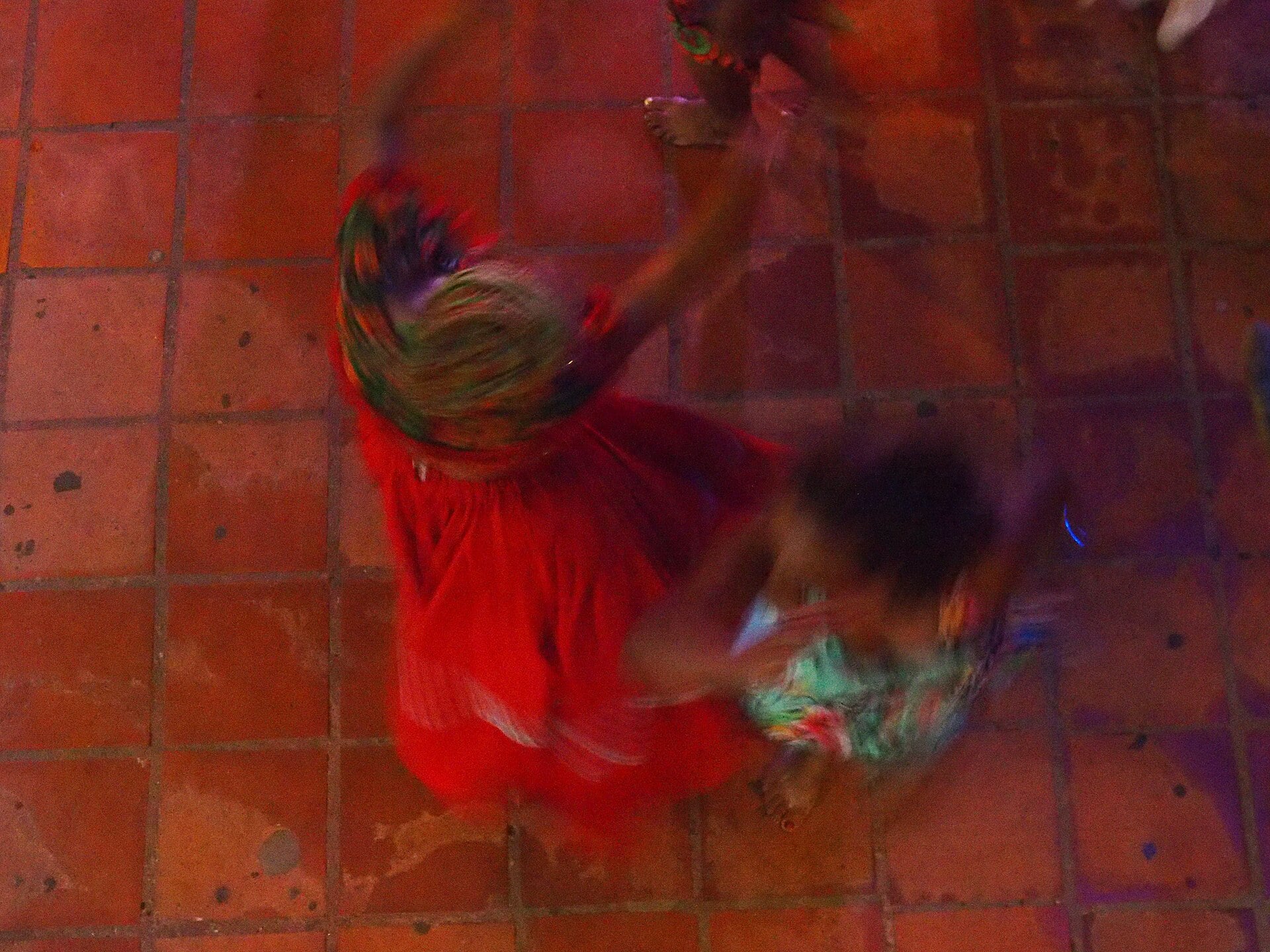
The Amazon meets the machine: Pará’s Uaná System premieres its free show of electronic carimbó, forest sounds and digital art on Friday, August 28, at Petrobras Futuros in Flamengo.
One of the most original projects to come out of Belém’s music scene lands in Rio this week: Uaná System premieres its new show — free of charge — on Friday, August 28, at Petrobras Futuros, in Flamengo.
Key Facts
- Show. Friday, August 28, 2026, at 20:15, at Petrobras Futuros — Arte e Tecnologia.
- Address. Rua Dois de Dezembro, 63, Flamengo, Rio de Janeiro; program starts at 19:00.
- Entry. Free.
- Project. Duo of producer Waldo Squash and multimedia artist Luan Rodrigues, from Pará.
- Context. Part of the Brasilidades & Futuros festival program at the new cultural center.
Carimbó Wired for the Future
Uaná System takes carimbó — the drum-driven rhythm of Pará, born in the Marajó region — and runs it through samplers, synthesizers and live digital visuals.
The result is an immersive audiovisual performance: forest sounds, Amazonian imagery and electronic beats built for dancing.
The project has been a reference of Belém’s electronic scene for years, championing a high-tech Amazonia that refuses folklore-by-numbers.
Live Company IntelligencePetroleo Brasileiro Petrobras SA ADR — the full investor dossier
Wall Street view
Valuation & profitability
Price & risk
$10.6552-wk high
$25.60
Revenue trend · 6y
Ownership
Dividend
The Duo Behind the System
On the music side is Waldo Squash, the producer who created Gang do Eletro, the band that put Belém’s technobrega-adjacent electronic sound on Brazil’s festival map.
On the visual side is Luan Rodrigues, a multimedia artist whose projections turn the stage into a digital forest.
Together they frame their work as cultural defense: Amazonian music and imagery presented as future, not as museum piece.
The Venue: Petrobras Futuros
The show premieres at Petrobras Futuros — Arte e Tecnologia, the new cultural center at Rua Dois de Dezembro, 63, in Flamengo.
The space has been programming a mix of music and technology-focused art, positioning itself as Rio’s house for Brazilian futures.
Friday’s program starts at 19:00, with Uaná System on at 20:15 and the Donas do Baile collective closing the night.
Why Carimbó Matters
Carimbó predates the Amazon’s electronic boom by generations: a dance rhythm of indigenous, African and European roots, driven by curved drums and call-and-response singing.
Pará’s musicians have spent two decades proving the state’s rhythms can carry electronic music — from technobrega’s stadium crowds to Gang do Eletro’s festival stages.
Uaná System sits at the art end of that spectrum, treating carimbó as raw material for experimentation rather than nostalgia.
How to Go
Entry is free; the venue recommends arriving early, as free cultural programming in Flamengo draws capacity crowds on weekends.
Petrobras Futuros sits a short walk from the Flamengo metro station, on one of the neighborhood’s main streets.
The night doubles as a showcase of the center’s Brasilidades & Futuros program, which runs Brazilian music through technology-driven formats.
Sources
Frequently Asked Questions
When is the Uaná System show in Rio de Janeiro?
Friday, August 28, 2026, at 20:15, at Petrobras Futuros — Arte e Tecnologia, Rua Dois de Dezembro, 63, Flamengo. Entry is free.
Who is Uaná System?
A duo from Pará formed by producer Waldo Squash, creator of Gang do Eletro, and multimedia artist Luan Rodrigues, mixing carimbó, electronic music and digital art.
What is electronic carimbó?
A fusion of the traditional carimbó rhythm of Pará with electronic production, Amazonian forest sounds and live visuals — the signature sound of Belém’s contemporary scene.
Connected Coverage
Brazil’s regional rhythms keep reinventing themselves — we follow the ones crossing borders.
Sources: G1 Pará; Bafafá; Rio de Janeiro Secreto.
This article was produced by The Rio Times’ automated newsroom system. How we use AI · Report an error · Editorial responsibility: Matthias Camenzind, Editor-in-Chief
In depth