U.S. Inflation Moderates to 2.5% in January, Easing Pressure on the Fed
Inflation in the United States slowed slightly in January, with the Personal Consumption Expenditures (PCE) price index rising 2.5% year-over-year, according to data released by the Commerce Department on Friday.
This figure, closely watched by the Federal Reserve, marks a modest decline from December’s 2.6% rate and aligns with economist forecasts. On a monthly basis, both headline and core PCE inflation rose by 0.3%, maintaining the pace seen in December.
The core PCE index, which excludes volatile food and energy prices, also showed a year-over-year increase of 2.6%, down from 2.9% in December. This measure is particularly significant for policymakers as it provides a clearer view of underlying inflation trends.
The data suggests that inflationary pressures are easing but remain above the Federal Reserve‘s long-term target of 2%. The moderation follows a period of aggressive interest rate hikes by the Fed throughout 2023 and 2024.
These hikes were aimed at combating inflation, which had peaked at nearly 9% in mid-2022. The central bank paused further rate increases earlier this year, signaling cautious optimism that inflation is moving toward its target without stalling economic growth.
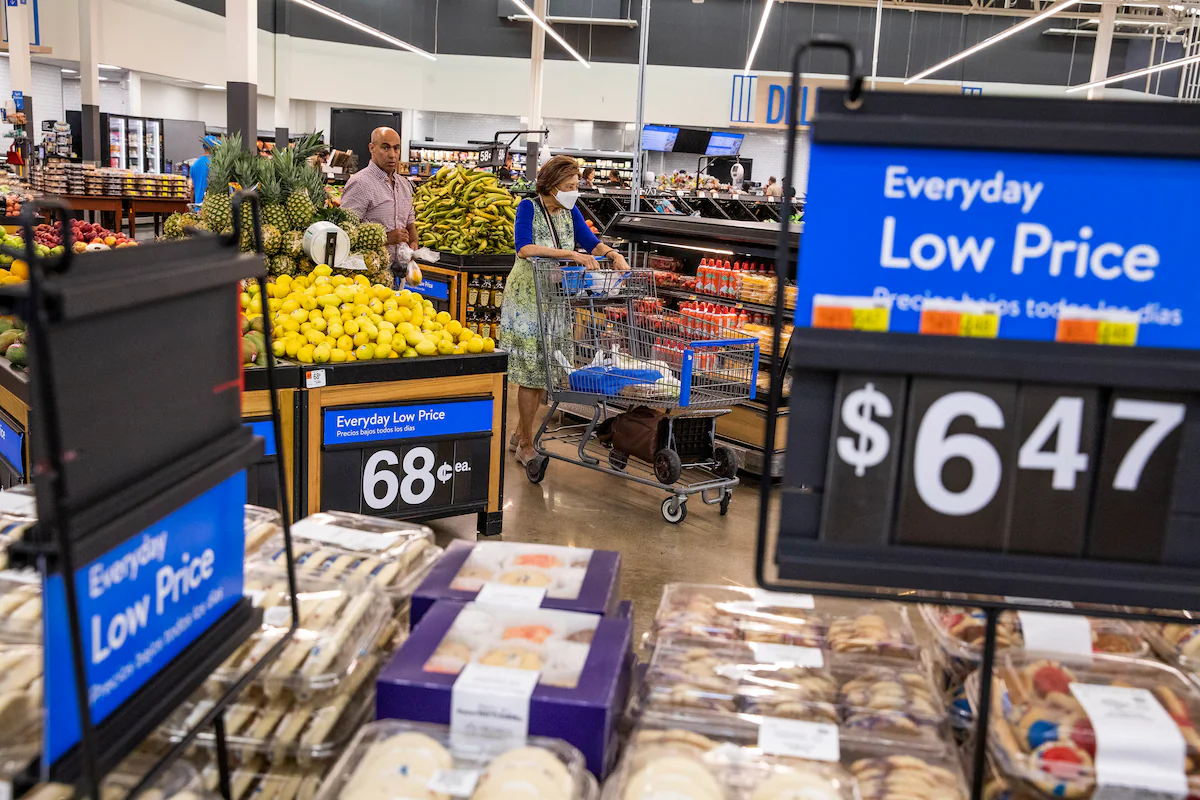
While these figures offer some relief, they contrast with the Consumer Price Index (CPI), which showed a higher annual inflation rate of 3% in January. The divergence highlights differences in how these indices measure inflation.
U.S. Inflation and Economic Strain
The CPI is more influenced by fixed costs like housing, while the PCE adjusts dynamically to reflect changes in consumer spending habits. Despite the easing inflation data, many Americans continue to feel financial strain.
Polls show that a majority believe their incomes are not keeping pace with rising costs, limiting their spending power and savings potential. Economists warn that persistent inflation could undermine consumer confidence and broader economic stability if not managed effectively.
The latest PCE report underscores the challenges facing policymakers as they balance efforts to control inflation with concerns about economic growth and consumer sentiment.
For now, the data provides some reassurance that inflation is trending downward, but uncertainties remain about how quickly it will reach the Fed’s target and whether additional policy adjustments will be necessary.
This article was produced by The Rio Times’ automated newsroom system. How we use AI · Report an error
Read More from The Rio Times