Trump Wins Major Victory, Escapes Half-Billion Dollar Lawfare Penalty
Donald Trump has just stripped away one of the heaviest pieces of legal pressure against him. A New York appeals court threw out the nearly $500 million penalty he had been ordered to pay in his civil fraud case.
Judges ruled the sanction violated the U.S. Constitution’s ban on excessive fines. The case targeted Trump’s business practices, accusing him of overstating asset values to secure loans and insurance.
The trial judge not only imposed operational restrictions but also demanded a half-billion dollars be paid to the state. On appeal, the judges agreed the financial sanction was disproportionate and unconstitutional.
They struck it down while keeping restrictions in place, including an independent monitor and temporary bans on Trump and his sons holding officer roles in New York companies.
Court Ruling Limits Financial Penalties Against Trump
The ruling instantly removed the greatest immediate threat to Trump’s personal finances and business empire. Interest had already pushed the fine beyond $500 million, a sum that risked draining liquidity and forcing asset sales.
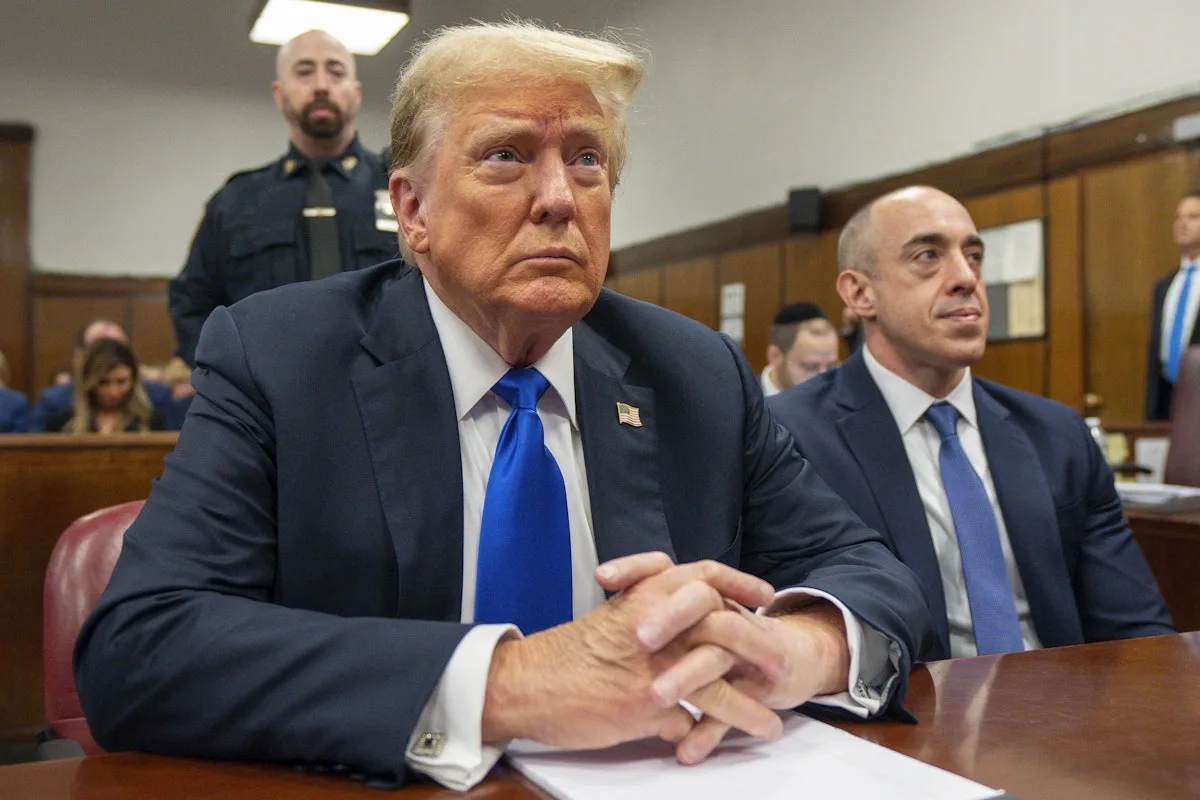
With that burden gone, Trump’s organization avoids a cash crisis, though it still operates under court oversight. Behind the numbers sits the larger fight. By citing the Excessive Fines Clause, the appeals court drew a constitutional line around civil enforcement powers.
The judgment shows that even in high-profile fraud cases, penalties must remain proportionate. That precedent could echo in future cases far beyond Trump’s own.
Trump still faces other legal battles. He owes more than $88 million in damages to writer E. Jean Carroll, he is appealing his New York conviction over falsified records, and he remains tied to stalled proceedings in Georgia.
Yet this ruling frees him from what was by far the largest financial weapon leveled against him, one he and his supporters called pure lawfare.
This article was produced by The Rio Times’ automated newsroom system. How we use AI · Report an error · Editorial responsibility: Matthias Camenzind, Editor-in-Chief