Trump vs. Powell: Power Struggle at the Heart of U.S. Economic Policy
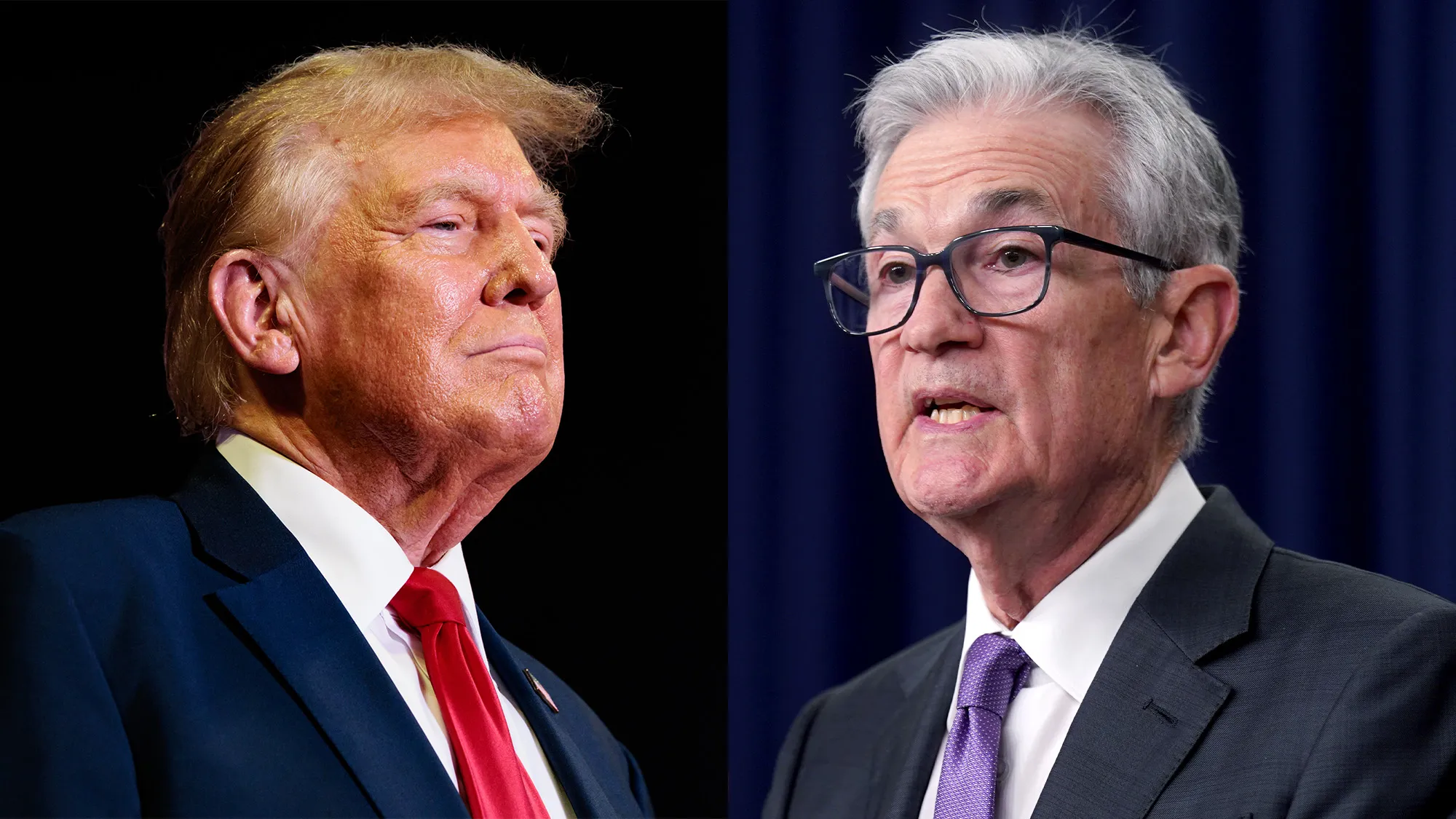
On April 17, 2025, President Donald Trump publicly demanded the removal of Federal Reserve Chair Jerome Powell, accusing him of failing to cut interest rates and suggesting he could dismiss him before his term ends.
Trump’s statements, delivered through social media and Oval Office remarks, followed Powell’s warnings that Trump’s tariff policies could drive up inflation and unemployment, complicating the Fed’s ability to lower rates.
This news comes as the Federal Reserve, under Powell’s leadership, holds its key rate steady between 4.25% and 4.50%, even as the European Central Bank has cut rates seven times in the past year.
Trump’s frustration with Powell centers on the Fed’s resistance to rate cuts, which he believes would lower borrowing costs, boost consumer confidence, and support the housing market.
Trump argues that with U.S. inflation near the Fed’s 2% target, the central bank should act more aggressively, as the ECB has done. However, Powell and other Fed officials point to Trump’s own tariffs as a source of economic uncertainty.
They warn that these measures could increase costs for businesses and consumers, and possibly trigger stagflation—a mix of stagnant growth and rising prices.
Jerome Powell’s path to the Fed chairmanship began with his nomination by President Trump in 2017, following service as a Fed governor under President Obama and a career in finance and government.
Powell’s Defense of Federal Reserve Independence
The Senate confirmed Powell with broad bipartisan support, and President Biden later reappointed him for a second term in 2022. Powell has repeatedly stated that the Fed operates independently of political pressure.
He emphasizes that the law protects him from removal except for cause, such as misconduct—not policy disagreements. The Federal Reserve Act and longstanding precedent ensure central bank independence, making it difficult for any president to dismiss the chair over policy disputes.
Powell has made clear he will not resign if Trump requests it, and legal scholars widely agree the president lacks the authority to fire the Fed chair for differences in economic policy.
This standoff has unsettled financial markets, which rely on the Fed’s credibility and independence to maintain stability. The real story is a power struggle over economic direction, not ideology.
Trump seeks policy that aligns with his agenda, while Powell defends the Fed’s mandate and legal autonomy. This clash will shape U.S. monetary policy and investor confidence as economic risks mount.
This article was produced by The Rio Times’ automated newsroom system. How we use AI · Report an error
LatAm Markets: Live Signals → — real-time movers, turnover leaders and FX across Latin America.
Read More from The Rio Times